
Planting
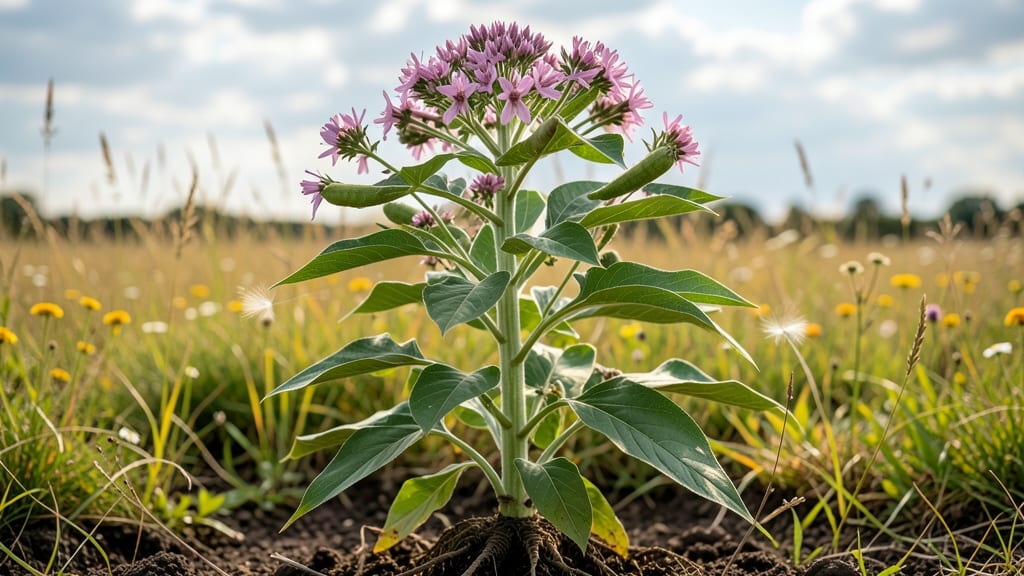
The milkweed plant’s life cycle is nature’s masterpiece—turning a tiny seed into a monarch butterfly magnet in just one season. 🌱 I’ve watched mine go from fuzzy seedlings to towering stems covered in orange wings, and it’s nothing short of magical.
Understanding each stage helps you create the perfect habitat for these delicate pollinators while keeping your garden thriving.
From seed to seedling, milkweed starts with a 60-90 day growth spurt when planted in spring. The real show begins when those first green shoots break the soil, followed by broad leaves that signal it’s ready for sunlight.
But here’s the trick—milkweed needs well-draining soil and at least 6 hours of sun daily to avoid flopping over or attracting pests like aphids.
By mid-summer, your plant will burst into fragrant purple blooms, each one a potential home for monarch caterpillars. The pods that follow hold hundreds of seeds, but don’t rush to harvest—let nature do its work first.
A healthy milkweed plant can support dozens of butterflies in a single season, making it one of the most rewarding additions to any pollinator garden.
Once the pods turn brown and split open, you’ll have fluffy seed clouds ready to spread or save for next year. The key is timing: collect seeds when they’re fully dry but before they scatter, and store them in a cool, dry place.
With just a little care, your milkweed will return stronger every year, turning your garden into a butterfly sanctuary.
📚 In This Guide
- What you need
- Instructions
- Tips and common mistakes
- Wrapping up and next steps
What you need
- ● Milkweed seeds: 1–2 packets (choose native species like Asclepias tuberosa or Asclepias syriaca for best results).
- ● Seed-starting mix: 2–3 cups of sterile, well-draining potting soil (avoid garden soil—it may contain pathogens).
- ● Containers: Small pots (3–4 inches deep) for seedlings, or
- ● A seed tray with individual cells (if starting multiple plants).
- ● Watering can or spray bottle: With a fine mist nozzle for gentle hydration.
- ● Grow lights or sunny windowsill: 6+ hours of indirect light daily (south-facing window or LED grow lights).
- ● Humidity dome or plastic wrap: To retain moisture while seeds germinate.
- ● Plant labels: Waterproof markers or stakes to track varieties.
- ● Gloves: Nitrile or garden gloves to protect hands from milky sap.
- ○ Heat mat (optional): 70–80°F for faster germination (especially in cooler climates).
- ● Fertilizer: Balanced, low-nitrogen fertilizer (5-5-5 ratio) once seedlings sprout 2–3 inches tall.
- ● Transplanting tools: Small trowel or spoon for moving seedlings outdoors.
- ● Mulch: Organic mulch (e.g., straw) to retain soil moisture and suppress weeds.
- ○ Monarch-friendly companions: Optional: Seeds for native grasses or wildflowers to attract pollinators.
How to follow the milkweed life cycle in 4 clear stages
Watch milkweed transform from seed to towering host plant—each stage draws monarchs closer.
🌱 Stage 1: Seed Germination and Early Growth
Milkweed seeds need warm soil (70-80°F) and bright light to sprout. Scatter seeds on prepared soil in early spring, pressing them just below the surface—never bury them deep. You'll see tiny leaves (cotyledons) emerge in 7-14 days if moisture stays consistent.
Keep soil lightly damp but never soggy during this phase. Young seedlings grow slowly at first, so resist the urge to overwater. You'll know they're thriving when the first true leaves appear—these will look different from the initial cotyledons and signal the plant's transition to its next growth phase.
☀️ Stage 2: Vegetative Growth and Leaf Development
Once seedlings reach 4-6 inches tall, they enter rapid growth mode. This stage lasts 4-8 weeks, depending on climate, and produces the iconic milkweed leaves. You'll notice the plant developing its signature milky sap—a clear sign it's healthy and ready for monarchs.
Space plants 12-18 inches apart to allow airflow and prevent fungal issues. During this phase, milkweed needs full sun (6+ hours daily) and regular watering—about 1 inch per week. Watch for aphids; a strong spray of water usually knocks them off without harming the plant.
🌿 Stage 3: Flowering and Pollinator Attraction
When your milkweed reaches 2-3 feet tall, it'll produce clusters of pinkish-purple flowers. This flowering stage typically occurs in late spring to early summer and lasts 2-4 weeks. The blooms open sequentially, creating a continuous nectar source for butterflies and bees.
Here's the moment that matters: Monarchs will visit during this stage to lay eggs. You'll see tiny white eggs (about the size of a pinhead) on the undersides of leaves. Never disturb these eggs—they'll hatch in 3-8 days into voracious caterpillars that will eat exclusively milkweed leaves.
🦋 Stage 4: Seed Pod Formation and New Generation
After flowering, milkweed produces seed pods that swell and turn from green to brown. These pods contain hundreds of fluffy seeds with silky parachutes. When mature, they'll split open dramatically—this is nature's way of dispersing the next generation of milkweed plants.
Collect seeds when pods are completely brown and dry. Store them in a cool, dry place until spring planting. The entire cycle from seed to seed takes about 6 months in ideal conditions. Each mature plant can produce 100+ seeds, ensuring your garden becomes a perpetual monarch haven.
Tips & tricks for perfect milkweed growth
These simple strategies will help you nurture thriving milkweed plants that attract monarchs at every stage.
Soil Temperature Secret: The 70-80°F soil temperature range is non-negotiable for germination. I've learned this the hard way—cool soil below 65°F can delay sprouting by weeks. If your spring nights are chilly, consider using a mini greenhouse or planting in a warm microclimate like near a south-facing wall. A soil thermometer is your best friend here.
Watering Wisdom: During the 7-14 day germination window, consistency is everything. I use the "finger test" method—stick your finger an inch into the soil. If it feels dry, water gently until moisture reaches 2 inches down. Overwatering at this stage causes rot, while underwatering stalls growth. A spray bottle works best to avoid disturbing the shallow seeds.
Sunlight Strategy: Milkweed needs that full 6+ hours of daily sunlight during Stage 2, but don't move seedlings too quickly. I recommend gradually acclimating them by placing in morning sun first, then gradually increasing exposure over 5-7 days. Sudden full sun can scorch tender leaves. Also watch for aphids—those tiny green pests love new growth. A strong spray of water from your hose usually knocks them off without chemicals.
Flowering Focal Point: When your plants reach 2-3 feet and start flowering, this is your monarch magnet moment. I've seen monarchs arrive within hours of the first blooms opening! If you notice eggs (tiny white dots on leaf undersides), resist the urge to touch them—they'll hatch in just 3-8 days. The caterpillars that emerge will eat exclusively milkweed, so don't remove any leaves until pods form.
Pro Tips for Life Cycle Of Milkweed Plant
- These simple strategies will help you nurture thriving milkweed plants that attract monarchs at every stage.
- Soil Temperature Secret: The 70-80°F soil temperature range is non-negotiable for germination.
- Watering Wisdom: During the 7-14 day germination window, consistency is everything.
Frequently asked questions
Got questions about nurturing milkweed or its role in nature? Here are some of the most common queries—and their answers—to help you grow a thriving monarch butterfly haven!
How long does it take for milkweed to grow from seed to flower?
Most milkweed varieties take 60–90 days to mature from seed to flowering, depending on the species and growing conditions. Fast growers like Asclepias tuberosa (butterfly weed) may flower in as little as 6 weeks, while others like Asclepias syriaca (common milkweed) can take up to 3 months. Planting in early spring ensures the best chances for a full life cycle.
Why aren’t monarch caterpillars eating my milkweed?
If monarchs ignore your milkweed, check these common issues:
- Wrong species: Some milkweeds (like Asclepias incarnata) are less appealing. Stick to tuberosa or curassavica for caterpillars.
- Pesticides: Even organic sprays can deter monarchs. Skip herbicides and insecticides.
- Timing: Caterpillars prefer fresh, young leaves. Plant new growth in late spring/early summer.
- Location: Place milkweed near water and other nectar plants to attract adult butterflies.
Can I save milkweed seeds for next year, or do I need to replant annually?
Yes! Milkweed seeds must undergo a cold stratification period to germinate. After pods turn brown and split open (late summer/fall), collect the fluffy seeds, mix them with damp sand or peat moss, and refrigerate for 4–6 weeks. Plant outdoors in early spring. Pro tip: Label seed packets—some species self-seed aggressively!
What’s the best way to remove milkweed if it spreads too much?
Milkweed can be invasive, but removal is manageable:
- Hand-pulling: Best for small patches. Wear gloves—Asclepias syriaca has milky sap that can irritate skin.
- Mulching: Smother young shoots with thick mulch (cardboard + wood chips) to block sunlight.
- Avoid tilling: This spreads roots and seeds deeper into the soil.
- Herbicide (last resort): Use glyphosate only on mature plants, and avoid areas where monarchs may feed.
For monarchs, leave at least one patch undisturbed—balance is key!
Does milkweed grow well in containers or only in gardens?
Milkweed thrives in containers if you choose compact varieties like Asclepias curassavica (tropical milkweed) or Asclepias tuberosa. Use a 5-gallon pot with drainage holes, well-draining soil, and full sun (6+ hours daily). Containers dry out faster, so water deeply 2–3 times per week. Pro tip: Move pots to a sheltered spot in winter if frost is expected!
Wrapping up and next steps
From seed to seed, the milkweed plant completes a remarkable journey—one that fuels the survival of monarch butterflies and adds beauty to your garden. 🌱 By understanding its four-stage life cycle, you’re not just growing a plant; you’re nurturing an ecosystem.
Ready to dive deeper? Plant your first milkweed seeds today and watch nature’s magic unfold in your own backyard!
Pro tip: Start small—even a single patch can make a difference for pollinators! 🌟