
Shrubs
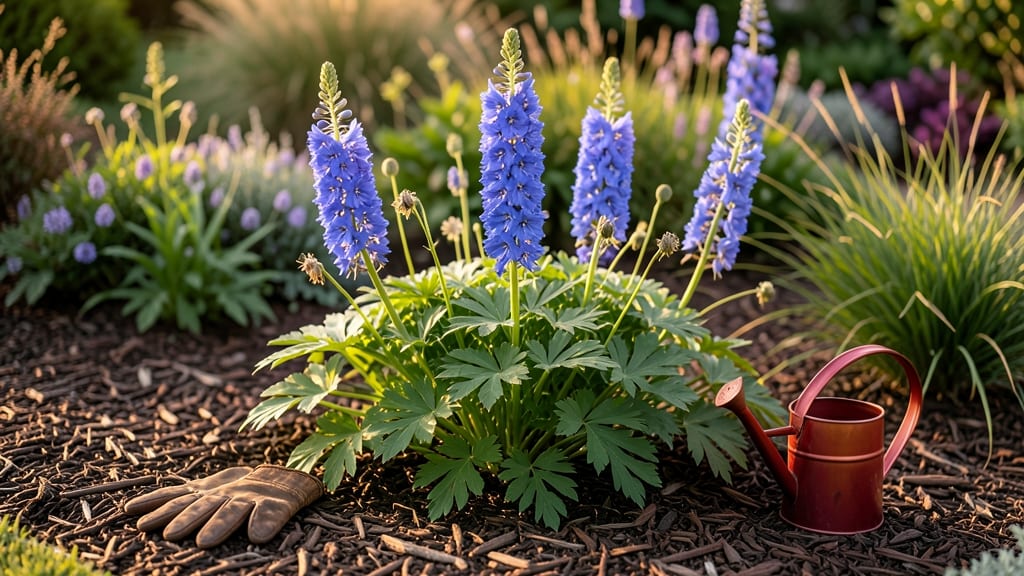
Blue flowering perennials shrubs like catmint, salvia, and bluebeard thrive in cold climates, offering vibrant blooms from early summer through fall with minimal care. Choose hardy varieties like Nepeta or Caryopteris for drought resistance and pollinator appeal, planting in full sun for best results.
Cold-hardy blue flowering shrubs are nature's answer to long-lasting color in your garden. 🌿 These plants develop thick, woody stems that act like insulation against frost, while their deep root systems tap into moisture reserves even during dry spells.
I've found that varieties like Russian sage (Perovskia atriplicifolia) can handle temperatures as low as -30°F, making them perfect for northern climates.
The key to their success lies in their ability to store energy in their roots during winter, then burst into bloom as soon as spring arrives.
When selecting these shrubs, consider your specific USDA zone and soil type. Most prefer well-draining soil with a pH between 6.0 and 7.5, though some like bluebeard (Caryopteris) tolerate slightly alkaline conditions.
For best results, plant them in full sun where they'll receive at least 6-8 hours of direct sunlight daily. This sunlight exposure triggers their natural cold-hardiness mechanisms, ensuring those signature blue blooms appear year after year with minimal effort.
💡 In This Article
- Why These Blue Perennials Survive Cold Winters
- Planting and Maintaining Cold-Hardy Blue Shrubs
Why these blue perennials survive cold winters
These cold-hardy blue shrubs owe their resilience to three key botanical adaptations. First, their woody stems act like natural insulation, protecting delicate internal tissues from freezing temperatures down to -20°F for varieties like Russian sage.
The stems contain specialized cells that produce antifreeze proteins, similar to those found in some evergreen trees, which prevent ice crystal formation within plant cells. 💫 This cellular-level protection allows the shrubs to remain dormant yet viable throughout winter.
The deep root systems of these perennials extend 3-5 feet underground, creating a vast network that stores carbohydrates and moisture. This stored energy fuels rapid regrowth in spring, often producing blooms within 4-6 weeks after the last frost.
For example, catmint (Nepeta) roots can survive -30°F temperatures by converting sugars into antifreeze compounds, while still maintaining enough energy reserves to support vibrant blue flowers. The root systems also help stabilize soil, preventing erosion during winter thaws.
Leaf structure plays a crucial role too.
Many cold-hardy blue shrubs develop thick, leathery leaves with waxy coatings that reduce water loss and reflect sunlight. Bluebeard (Caryopteris), for instance, has tiny, silver-green leaves that contain reflective trichomes—microscopic hair-like structures—that bounce back up to 30% of sunlight, preventing overheating in summer while protecting against frost damage in winter.
This combination of root storage, stem insulation, and leaf adaptations creates a survival package that outperforms many annual flowers.
Soil composition significantly impacts cold hardiness. These shrubs thrive in well-draining soils with 20-30% organic matter, which insulates roots and maintains moisture. Sandy loam soils (with 60% sand, 30% silt, 10% clay) work particularly well because they prevent waterlogging that could freeze and damage roots.
In colder USDA zones (3-5), adding 3-4 inches of mulch (like shredded bark) in late fall creates an additional insulating layer that can raise soil temperatures by 5-10°F during winter.
What sets these blue perennials apart is their ability to balance cold tolerance with continuous blooming. Unlike many perennials that focus energy on root survival, these shrubs allocate resources to both storage and flower production.
For example, Russian sage can produce 2-3 flushes of blooms per season because its deep roots maintain consistent energy supply even during drought or cold snaps. This dual capability makes them ideal for gardeners seeking year-round interest with minimal maintenance.
Consider this comparison: While delphiniums (another blue flower) often die back completely in winter, Russian sage maintains its woody structure year-round, providing both winter interest and spring rebloom.
The secret lies in their secondary growth patterns—these shrubs continue developing new tissue throughout the growing season, creating a more resilient framework than herbaceous perennials. 🌿