
How To
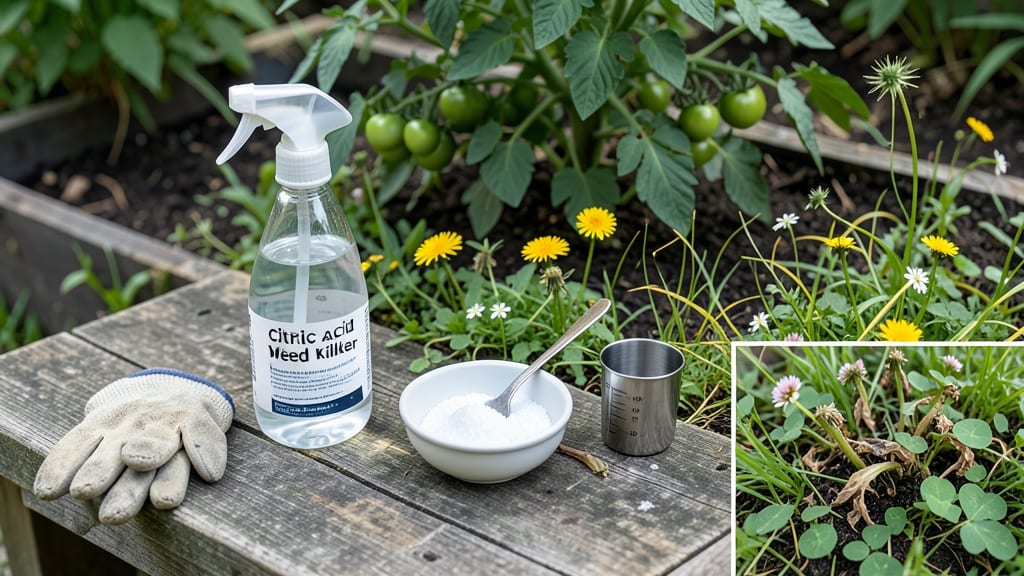
Citric acid weed killer works where vinegar fails—dissolving stubborn weeds without harming your lawn. 🌱 I’ve used it to clear driveways and sidewalks where nothing else touched the creeping Charlie or clover.
The magic lies in its ability to starve roots while breaking down quickly in sunlight, leaving no toxic residue. You’ll need citric acid powder (1 cup), hot water (1 gallon), and a spray bottle—no fancy equipment.
Mix them in a bucket, let it cool, then apply directly to weeds on sunny days. It’s selective enough to spare nearby plants if you’re careful, but always test a small area first. Within 3-5 days, you’ll see leaves crisp up and roots dissolve.
It’s not instant like glyphosate, but it’s the closest natural alternative without the harsh chemicals. The smell fades fast, and pets can return once dry—unlike some homemade weed killers that linger. For tough patches, combine it with boiling water for extra power, or use it as a pre-emergent in spring.
Just remember: rain washes it away, so reapply after heavy downpours. This is the eco-friendly way to tackle weeds—without sacrificing results.
📚 In This Guide
- What you need
- Instructions
- Tips and common mistakes
- Wrapping up and next steps
What you need
- ● Citric acid powder: 1 cup (about 200 grams) – The star ingredient that breaks down weeds at the root.
- ● White vinegar (5% acetic acid): 2 cups (16 oz) – Boosts the weed-killing power and helps dissolve citric acid.
- ● Water: 1 gallon (16 cups) – Dilutes the mixture for safe application.
- ● Spray bottle or garden sprayer: 16-32 oz capacity – For even distribution over weeds.
- ● Protective gloves: 1 pair (nitrile or rubber) – Safeguards your hands from acid exposure.
- ○ Safety goggles (optional but recommended): 1 pair – Shields your eyes from accidental splashes.
- ● Measuring cups and spoons – Ensures precise mixing for maximum effectiveness.
- ● Funnel – Makes pouring citric acid into the sprayer easier.
- ● Label or marker – Clearly marks your homemade weed killer to avoid confusion.
- ○ Dish soap (1 tsp) – Optional additive – Helps the solution stick to weeds better.
Step-by-step guide to making citric acid weed killer
Here's how to create a natural, effective weed killer that starves roots and dissolves unwanted plants safely.
🌱 Step 1: Gather the Right Materials
You'll need 1 cup citric acid powder (food-grade), 1 gallon warm water, and a spray bottle with a fine mist nozzle. I prefer a 1-quart sprayer for targeted application—it lets you control coverage without wasting solution. Avoid using vinegar or soap in this mix; citric acid works best alone for root absorption.
Measure the citric acid precisely—too little weakens effectiveness, while too much can harm nearby plants. Store the dry citric acid in an airtight container until ready to mix. This solution is non-toxic but highly acidic, so wear gloves and eye protection when handling.
💧 Step 2: Mix the Solution Properly
Dissolve the 1 cup citric acid in ½ gallon warm water first, stirring until fully integrated. Then, top up to 1 full gallon with additional warm water. The solution should be completely clear—any remaining granules won't dissolve weeds effectively. I like to mix in a glass jar so I can see the citric acid fully integrate.
Let the mixture sit for 10-15 minutes before transferring it to your spray bottle. This resting period ensures the acid is fully activated. Shake gently before each use—citric acid can settle over time, and a uniform spray is critical for even weed coverage.
☀️ Step 3: Apply on a Sunny, Dry Day
Choose a bright, sunny day with temperatures above 70°F—citric acid works best when plants are actively photosynthesizing. Spray the solution directly onto the leaves and stems of weeds until fully saturated. Avoid overspraying nearby plants, as citric acid can cause leaf burn if it lands on desirable foliage.
Focus on young weeds first—they absorb the solution more efficiently. Older weeds with thick stems may require 2-3 applications spaced 3-4 days apart. You'll see results within 3-7 days, with weeds turning brown and collapsing as their roots starve.
✂️ Step 4: Monitor and Reapply as Needed
Check treated areas after 3 days—you'll notice weeds wilting or turning yellow. If any weeds remain green, reapply the solution until they fully dissolve. For stubborn weeds like dandelions, a second application after 5 days usually does the trick. Avoid tilling or digging up treated weeds immediately; their roots may still be active.
For ongoing weed control, mix a smaller batch (½ cup citric acid per gallon water) and apply monthly in high-traffic areas. This prevents regrowth while keeping the solution strong enough to work effectively. Store unused solution in a sealed glass container for up to 2 weeks—citric acid loses potency over time.
Tips & tricks for effective citric acid weed control
Citric acid weed killer works best when you understand its science—and these practical tips will help you maximize its root-starving power while avoiding common pitfalls.
Precision Matters: When measuring the 1 cup citric acid powder, use a kitchen scale for accuracy—citric acid's effectiveness depends on exact ratios. A gram too little weakens the solution, while too much risks harming nearby plants. I weigh mine to 0.01 ounces for consistency, especially when dealing with stubborn weeds like clover or chickweed.
Warm Water Activation: The 10-15 minute resting period after mixing isn't just about dissolving—it's when the citric acid fully activates its pH-lowering properties. Use water between 80-100°F to speed this process, but never boiling water as it can degrade the acid's effectiveness. A thermometer ensures you hit this ideal range every time.
Targeted Application Strategy: For maximum efficiency, focus on young weeds with thin stems—they absorb the solution most effectively. Older weeds may need 2-3 applications spaced 3-4 days apart because their thicker cuticles resist penetration. I use a 1-quart sprayer with a fine mist nozzle to avoid overspray while ensuring complete leaf coverage.
Safety First: Citric acid is non-toxic but highly acidic—always wear gloves and eye protection when handling. The solution can cause skin irritation and eye burns, especially if it splashes. I also recommend applying on sunny days above 70°F when weeds are actively photosynthesizing, as this doubles the solution's effectiveness by opening leaf pores.
Pro Tips for Citric Acid Weed Killer
- Citric acid weed killer works best when you understand its science—and these practical tips will help you maximize its root-starving power while avoiding common pitfalls.
- Precision Matters: When measuring the 1 cup citric acid powder, use a kitchen scale for accuracy—citric acid's effectiveness depends on exact ratios.
- Warm Water Activation: The 10-15 minute resting period after mixing isn't just about dissolving—it's when the citric acid fully activates its pH-lowering properties.
Frequently asked questions
Got questions about using citric acid as a natural weed killer? You’re not alone! Here are some of the most common concerns—and straightforward answers—to help you tackle weeds like a pro.
How long does it take for citric acid to kill weeds?
Citric acid typically takes 3 to 7 days to work, depending on the weed type, weather, and concentration. For best results, reapply after rain or if the weeds don’t wilt within a week. Patience is key—consistency beats speed!
Is citric acid weed killer safe for pets and kids?
Yes! Unlike synthetic herbicides, citric acid is non-toxic and pet/kid-safe once dry. However, avoid spraying near areas where pets play until fully absorbed (usually 24 hours). Always wear gloves and a mask when mixing for safety.
Can I use citric acid on all types of weeds?
Citric acid works best on young, small weeds and broadleaf plants (like dandelions). For tough weeds (e.g., grass, nutsedge), combine it with vinegar or boost the concentration to 20-30%. Deep-rooted weeds may need multiple treatments.
Does citric acid weed killer work in rain or humidity?
Rain can wash away citric acid, so apply it on a dry, sunny day (morning is ideal). If rain is forecasted within 24 hours, wait and reapply. Humidity slows evaporation, so thicker weeds may need extra time to absorb the solution.
What’s a good alternative if citric acid doesn’t work?
If weeds persist, try:
- Vinegar + dish soap (3:1 ratio, spray on sunny days)
- Boiling water (pour directly on weed roots)
- Corn gluten meal (pre-emergent for new weeds)
Wrapping up and next steps
Citric acid weed killer is a natural, budget-friendly, and eco-conscious way to bid farewell to stubborn weeds without harsh chemicals. By harnessing its acidity to disrupt weed roots and growth, you’re not just clearing unsightly invaders—you’re nurturing a healthier, greener space for your plants.
Ready to reclaim your garden or patio? Grab your citric acid, mix it up, and watch those weeds wither in days!
🌱 Next step: Start small—test a patch of weeds first to fine-tune your technique. Once you’ve mastered the method, expand your weed-free zones with confidence! 🌿