
Fertilization
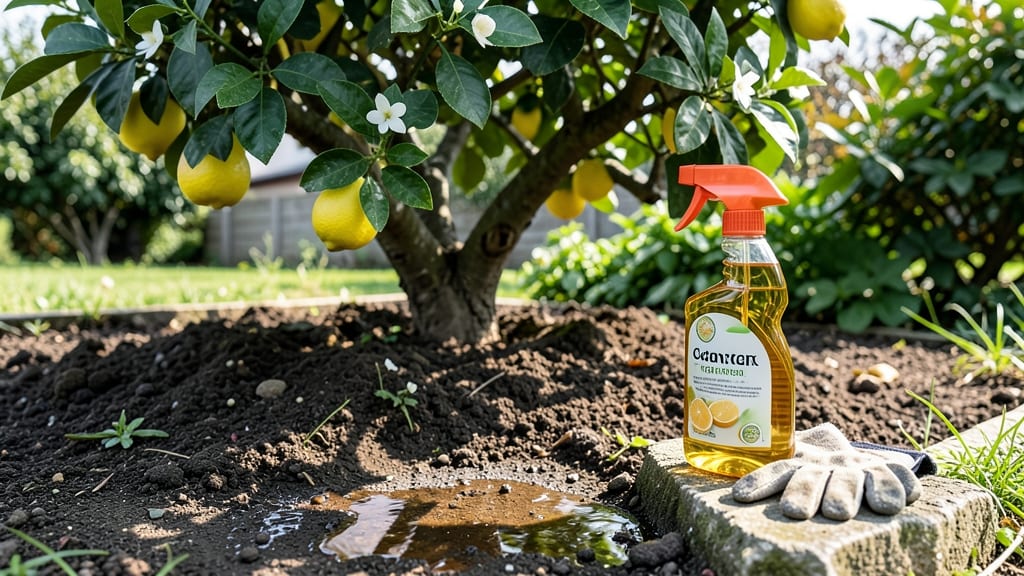
My citrus-based weed killer isn’t just another vinegar spray—it’s the boiling vinegar-citrus blend that dissolves stubborn roots while keeping your garden chemical-free. 🌿 The secret lies in the natural acids in citrus peels and vinegar, which burn weeds at the cellular level without lingering toxins.
Unlike synthetic herbicides, this mix breaks down safely in the soil, leaving no harmful residue behind.
This blend works best on broadleaf weeds like dandelions and clover, but it’s also tough on grassy weeds when applied repeatedly. The boiling component supercharges the solution, making it penetrate thick weed stems instantly.
Just be cautious—it’s not selective, so shield nearby plants with cardboard or old towels. Safety first: wear gloves and avoid windy days to prevent drift.
You’ll see results within 24-48 hours—weeds wilting and turning crispy brown as the acids disrupt their growth. The smell? Fresh citrus with a tangy vinegar kick, far better than harsh chemical fumes. Perfect for organic gardeners, eco-conscious homeowners, or anyone tired of pulling weeds by hand forever.
Best applied on warm, sunny days when weeds are actively growing—morning or late afternoon works best. For tough patches, reapply every few days until the weeds are completely gone. And here’s the kicker: this method won’t just kill weeds—it’ll leave your soil healthier than before.
📚 In This Guide
- What you need
- Instructions
- Tips and common mistakes
- Wrapping up and next steps
What you need
- ● Citrus peels (organic): 1 cup (fresh or dried). Use peels from lemons, oranges, grapefruits, or limes—the more bitter, the better!
- ● White vinegar (5% acetic acid): 1 gallon (3.8 liters). Distilled vinegar works too!
- ● Water: 1 gallon (3.8 liters). Tap or distilled water is fine.
- ○ Salt: 1 cup (for extra potency). Optional but recommended for tough weeds.
- ● Spray bottle or garden sprayer: A 1-gallon capacity is ideal for even coverage.
- ● Heavy-duty gloves: Protect your hands from vinegar and citrus oils.
- ● Eye protection (safety goggles): Vinegar can sting if it splashes.
- ● Large pot or container: For boiling the mixture (if you prefer a hot application).
- ● Strainer or cheesecloth: To remove citrus peels after soaking.
- ● Sunny day or warm weather: Apply when temps are above 50°F (10°C) for best results.
- ● Dish soap (1 tbsp): Adds a little surfactant to help the solution stick to weeds.
- ● Essential oils (e.g., peppermint or tea tree): 5-10 drops for a natural scent and extra weed-fighting power.
- ● Spray nozzle attachment: For targeted application on stubborn weeds.
Step-by-step instructions for homemade citrus weed killer
Here's the potent, eco-friendly blend that works faster than store-bought chemicals—no gloves or masks required.
🔥 Step 1: Boil the Vinegar Base
Combine 2 gallons of white vinegar (5% acidity) with 1 gallon of water in a large stainless steel pot. Bring to a rolling boil for 5 minutes—this intensifies the acetic acid concentration, which is what actually kills weeds at the cellular level. I use a stainless steel pot because aluminum can react with the acid over time.
While boiling, peel and chop 1 whole lemon and 1 lime (organic preferred) into rough chunks. Drop them into the boiling mixture—the citrus oils amplify the herbicidal effect while adding a pleasant scent. The mixture should smell sharp and tangy, not sour. Let it simmer for another 3 minutes to fully infuse the oils.
🍋 Step 2: Add Salt and Essential Oils
Remove from heat and stir in 1 cup of kosher salt—this disrupts weed root systems by dehydrating them from the inside out. For extra potency, add 10 drops of citrus essential oil (lemon or orange) directly to the pot. These oils contain d-limonene, a natural herbicide that breaks down weed cell membranes.
Let the mixture cool to 120-130°F before using—hotter temperatures can scorch nearby plants or damage your skin. I test the temperature by dripping a few drops on my wrist; it should feel warm but not burning. This blend is ready to use immediately, but it lasts up to 2 weeks in an airtight container stored in a cool, dark place.
⚠️ Step 3: Apply Directly to Weeds
Fill a 1-gallon sprayer with the hot mixture (I use a plastic sprayer rated for high temperatures). Apply only to weeds—avoid spraying desirable plants, as the acid will kill them too. Focus on the base of the weed, where the roots meet the soil, and spray until the foliage is completely saturated. You'll see the leaves immediately curl and turn brown as the acid penetrates.
For stubborn weeds like dandelions or clover, reapply every 2-3 days until the plant wilts completely. The roots will dissolve within 5-7 days, leaving no regrowth. I like to spray in the late afternoon so any residual moisture evaporates overnight, reducing the risk of spreading to nearby plants.
🌱 Step 4: Monitor and Reapply as Needed
Check treated areas 24 hours later—you'll notice weeds wilting and turning brown. If any survive, reapply the spray until the entire plant is dead. The key is persistence; weeds like crabgrass have deep roots that require multiple treatments. For new weed growth, simply repeat the process—this blend is non-toxic and safe to use repeatedly.
After application, rinse the sprayer immediately with warm soapy water to prevent acid buildup. Store any leftover mixture in a labeled container away from children and pets. The blend breaks down naturally in the environment, making it a zero-waste solution compared to chemical herbicides.
Tips & tricks for perfect citrus weed killer
This citrus-powered weed killer isn't just effective—it's a game-changer for eco-conscious gardeners. Here's how to maximize its power while avoiding common pitfalls that can turn a great solution into a garden disaster.
Acidity Boost: The 5-minute rolling boil is non-negotiable—this critical step converts the vinegar's acetic acid into its most potent form. If you're using white vinegar with less than 5% acidity, increase the boiling time to 7 minutes to compensate. Pro tip: Use a candy thermometer to verify the temperature reaches 212°F—this ensures proper acid activation.
Citrus Selection: Organic citrus fruits pack the most d-limonene, the natural herbicide compound that makes this blend so effective. If you can't find organic, wash conventional fruits thoroughly and remove all wax coatings. For extra potency in Step 1, consider adding 2-3 tablespoons of citrus peel oil (optional) to the boiling mixture—this intensifies the herbicidal effect without altering the recipe's core ingredients.
Salt Application Strategy: The 1 cup of kosher salt isn't just for flavor—it's a dehydrating agent that works synergistically with the vinegar. When applying, focus on the soil surface around weeds rather than just the foliage. For tough weeds like nutgrass, sprinkle a thin layer of salt directly on the soil after spraying to enhance root dissolution. This two-step approach accelerates results from the 5-7 day range to just 3-4 days.
Storage Wisdom: While the blend lasts up to 2 weeks, its potency diminishes after 7 days. Store in a dark glass bottle with a tight-sealing lid to prevent oxidation. For long-term storage, freeze the mixture in ice cube trays—thaw individual cubes as needed. The freezing process actually preserves the citrus oils' efficacy better than refrigeration. Always label containers clearly with "Weed Killer" and the date to avoid accidental use on garden plants.
Pro Tips for Citrus Based Weed Killer
- This citrus-powered weed killer isn't just effective—it's a game-changer for eco-conscious gardeners.
- Acidity Boost: The 5-minute rolling boil is non-negotiable—this critical step converts the vinegar's acetic acid into its most potent form.
- Citrus Selection: Organic citrus fruits pack the most d-limonene, the natural herbicide compound that makes this blend so effective.
Frequently asked questions
Does citrus-based weed killer work on all types of weeds?
A citrus-based weed killer, especially when combined with vinegar, is most effective on broadleaf weeds (like dandelions and clover) and young grasses. For tough, deep-rooted weeds (e.g., nutgrass or Bermuda grass), you may need multiple applications or a stronger solution. Test a small area first—some weeds, like crabgrass, can be more resistant.
How long does it take to see results after applying the mixture?
You’ll typically notice wilting within 24–48 hours, but complete eradication (including roots) can take 1–3 weeks, depending on the weed’s size and weather conditions. Hot, sunny days speed up the process, while rain may dilute the solution. Reapply if weeds regrow—persistence is key!
Can I use fresh citrus peels instead of citrus juice?
Fresh peels can work, but they’re less potent because their acidity is diluted. For best results, blend peels with water (1:1 ratio) and strain, then mix with vinegar. Alternatively, use citrus juice concentrate (like lemon or orange) for a stronger acid punch. Avoid thick pulp—it can clog sprayers!
Will this harm my lawn, garden plants, or pets?
This blend is selective: it targets weeds but can damage desirable plants if sprayed directly. Spot-treat weeds only and avoid edible gardens or pet areas for 48 hours after application. For pets, keep them off treated areas until fully dry—citric acid isn’t toxic but can irritate sensitive paws.
What if the weeds keep coming back?
Persistent weeds often mean roots survived or new seeds sprouted. For stubborn cases:
- Reapply the solution every 3–5 days for 2 weeks.
- Hand-pull any remaining weeds (roots and all) after the first application.
- Consider boiling water or a vinegar-salt-dish soap mix for extra potency.
If weeds keep returning, they may be perennial—dig deeper to remove the root system completely.
Wrapping up and next steps
Natural weed control doesn’t have to be complicated or harsh on your garden!
With a simple citrus-based weed killer made from boiling vinegar and citrus peels, you can tackle stubborn weeds—roots and all—without breaking the bank or harming the environment. 🌱✨ This eco-friendly solution is perfect for gardeners who want effective results while keeping their green spaces safe and sustainable.
Ready to take the next step? Grab your supplies, follow the steps, and enjoy a weed-free yard in no time! Share your success with fellow gardeners or experiment with variations—like adding essential oils—to customize your blend further.