
Plants
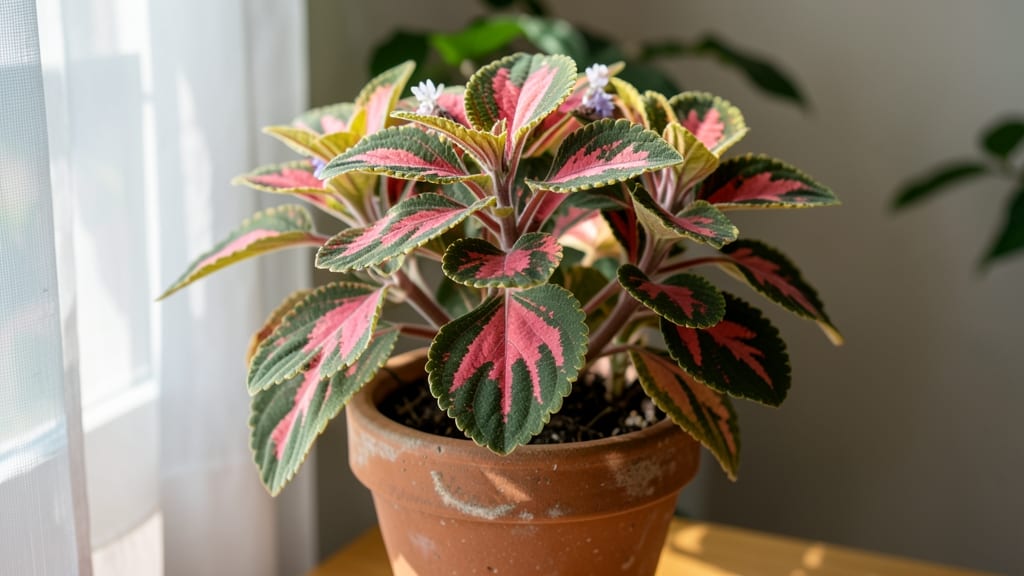
Deciding whether coleus plants are annual or perennial depends on your climate: they thrive as perennials only in USDA zones 10-12, where frost never occurs. In cooler regions, they naturally die back each winter but can be propagated from cuttings to continue growing year after year.
Coleus plants originate from tropical regions, which explains why they struggle with frost—even a light freeze will kill them back to the ground. 🌱 In zones 10-12, their vibrant foliage persists year-round, but gardeners in colder areas often treat them as annuals unless they take cuttings indoors before the first frost.
The key to multi-year growth lies in understanding their natural dieback cycle: when temperatures drop, the plant conserves energy by shedding leaves, but its roots (or cuttings) can regenerate when conditions warm again.
For those in zones 7-9, overwintering coleus indoors is simple: take healthy cuttings in late fall, root them in water or soil, and place them near a bright window.
Once spring arrives, you can replant them outdoors, effectively extending their lifespan beyond a single season. This method ensures you get fresh foliage each year without starting from seed.
💡 In This Article
- Understanding Coleus Plant Life Cycle and Temperature Tolerance
- Extending Coleus Growth: Overwintering and Zone-Specific Care
Understanding coleus plant life cycle and temperature tolerance
Coleus plants, native to tropical regions of Southeast Asia and Africa, evolved in environments where temperatures rarely drop below 50°F. Their thin, tender stems and broad leaves lack the cold-hardiness of perennials like hostas or lavender.
When exposed to frost, the plant's cellular membranes rupture due to ice crystal formation—a process called freeze-thaw damage—which is irreversible. This is why coleus behaves as an annual in zones 7 and below: the entire plant wilts and dies back when temperatures hit 32°F or lower.
The plant's survival strategy in warmer climates involves a natural dieback cycle. As daylight shortens and temperatures cool, coleus conserves energy by reducing leaf production and redirecting nutrients to its root system.
In zones 10-12, where winter temperatures rarely dip below 40°F, these roots remain dormant but viable, allowing the plant to regrow from the same rootstock each spring.
This perpetual cycle is what makes coleus a true perennial in frost-free regions. 🌿 The key difference is that in colder zones, even the roots often fail to survive prolonged freezing, forcing gardeners to rely on cuttings for continuity.
What's fascinating is how coleus prioritizes regrowth over survival during stress. When temperatures drop to 45-50°F, the plant initiates a senescence program—a genetically programmed shutdown of leaf production to protect its core systems.
This explains why you might see coleus plants in zone 9 or 10 look ragged in winter: they're conserving energy rather than actively dying. In contrast, zone 10+ coleus maintains a basal growth habit, producing new leaves continuously without the need for dormancy.
Gardeners often assume coleus can't survive winter because they see the plants die back completely in cooler climates. However, the plant's ability to regenerate from cuttings reveals its true nature: it's a tender perennial, similar to bananas or citrus, which also struggle with frost but can be propagated indefinitely.
The difference is that coleus doesn't produce true perennial roots in cold zones—its survival depends entirely on human intervention through cuttings rather than natural regrowth.
Consider this comparison: in zone 11, a coleus plant might grow 12-18 inches tall continuously, while in zone 8, the same plant would reach 6-12 inches before winter kill. The tropical origins explain why coleus prioritizes rapid growth and vibrant foliage over cold resistance.
Even in ideal conditions, its growth rate slows below 60°F, which is why gardeners in cooler zones must bring cuttings indoors before temperatures consistently drop below 55°F.
The science behind this involves photoperiodism—the plant's response to daylight length. As days shorten in fall, coleus produces ethylene gas, a plant hormone that triggers leaf drop and dormancy. In frost-free zones, this process is reversible, while in colder areas, the ethylene production becomes irreversible without intervention.
This hormonal response is what makes coleus behave like an annual in most gardens.