
Pests
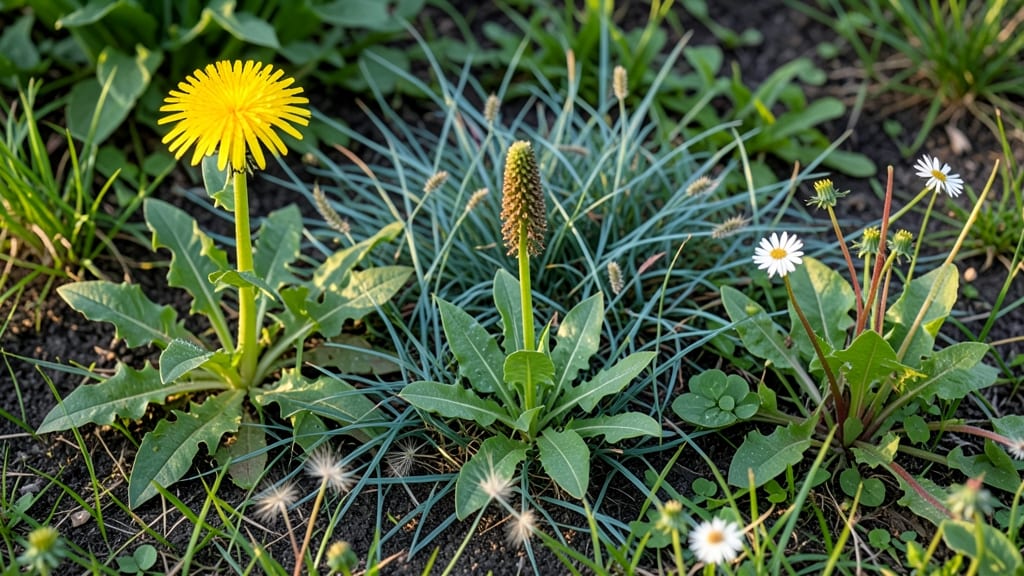
Identifying the common weeds in Ottawa can feel like solving a mystery—until you know the top 20 invaders that take over lawns and gardens here. 🌱 I’ve spent years tracking the most stubborn species in this region, from creeping Charlie in shady spots to dandelions that pop up even after you’ve pulled them twice.
The key is recognizing them early, before they spread. Ottawa’s climate—hot summers, cold winters, and heavy spring rains—creates the perfect storm for weeds like lamb’s quarters and plantain. Most gardeners waste time fighting the wrong plants because they don’t know what they’re actually dealing with.
This guide cuts through the confusion with clear photos, growth habits, and seasonal tips so you can act fast. You’ll learn how to pull weeds at the right time (spring or fall, never summer), use organic mulch to smother regrowth, and even turn some weeds into allies.
No more guessing—just targeted control that protects your flowers and veggies without harsh chemicals. For Ottawa-specific help, check out local groups like the Ottawa Gardening Club or Ottawa Tool Library for tools like weed torches and hand forks. Sustainable practices work better here than brute force.
📚 In This Guide
- What you need
- Instructions
- Tips and common mistakes
- Wrapping up and next steps
What you need
- ● Field Guide or App: Printed ID chart (download our Ottawa Top 20 Weeds Guide)
- ○ Optional: Smartphone with apps like iNaturalist or PictureThis for instant ID
- ● Gloves: Heavy-duty, chemical-resistant (e.g., Nitrile or Neoprene)
- ● Hand Trowel or Weeding Tool: Stainless steel, 6–8" long (e.g., Fiskars or Spear & Jackson)
- ● Pruners/Loppers: Bypass pruners for thick stems (e.g., Felco F-2)
- ● Garden Kneeler/Pad: For comfort during long sessions (e.g., Gorilla Grip)
- ● Spray Bottle (16–32 oz): For targeted herbicide or vinegar mixes
- ● Wheelbarrow or Buckets: 2–3 gallon capacity for debris (e.g., Rubbermaid)
- ● Trash Bags: Heavy-duty (30–50 gallon) for disposal
- ● Herbicides (Selective/Non-Selective): Glyphosate-based: Roundup Concentrate (1–2 gallons, for large infestations)
- ● Vinegar Mix: 1 gallon white vinegar + 1 cup dish soap + 1 cup salt (eco-friendly, best for small areas)
- ● Pre-Emergent Herbicide: Corn Gluten Meal (5–10 lbs for prevention)
- ● Mulch: Shredded bark or straw (2–3" layer to suppress regrowth)
- ● Weather Check: Mild temps (50–80°F) and dry conditions for best results
- ● Permits (if applicable): Verify Ottawa bylaws for herbicide use near waterways
- ● Safety Gear: Safety goggles + long sleeves/pants for protection
- ● Time Commitment: 1–2 hours per session (weeds like Canada Thistle may need repeat visits!)
How to identify and manage Ottawa’s most problematic weeds
Ottawa’s climate creates the perfect storm for invasive weeds—here’s how to spot them before they take over.
🌱 Step 1: Learn the 5 Key Visual Clues for Identification
Start by memorizing these five distinguishing features that separate weeds from desirable plants: leaf shape, growth habit, seed heads, root structure, and smell. For example, dandelions have deeply lobed leaves and milky sap when broken, while creeping charlie spreads via underground runners and smells minty when crushed. I always check for hairy stems (like lamb’s quarters) or sticky sap (poison ivy) first—those are instant red flags.
Use a hand lens (or a magnifying glass) to examine leaf edges and vein patterns. Many weeds have saw-toothed margins or alternate leaf arrangements, while grasses (like crabgrass) grow in clumps with hollow stems. Keep a small notebook nearby to jot down notes on suspicious plants—you’ll spot patterns faster than by relying on memory alone.
🌿 Step 2: Master Seasonal Timing for Best Control
Weeds thrive at different times, so target them in their weakest phase: early spring for broadleaf weeds (like chickweed) before they seed, late summer for grasses (when they’re actively growing), and fall for perennials (like thistle) when they’re storing energy in roots. I pull dandelions in March before they flower—one plant can produce 15,000 seeds per season if left unchecked.
Watch for new sprouts in April (most weeds germinate when soil temps hit 50°F). Use a soil thermometer to track when to preemptively apply corn gluten meal (a natural pre-emergent) or vinegar spray for young weeds. Avoid treating when rain is forecast—you’ll waste product and risk burning nearby plants.
✂️ Step 3: Choose the Right Removal Method for Each Weed Type
Annual weeds (like pigweed) die when pulled—grab them at the base and yank hard. Perennials (such as Canada thistle) regrow from roots, so dig 6+ inches deep or use a dandelion weeder tool to extract the entire taproot. I’ve found that mulching with cardboard + wood chips smothers 90% of annuals within a month—just keep it 3+ inches thick to block light.
For stubborn invaders like bindweed, cut stems below ground level to starve the roots of energy. Wear gloves—some weeds (like poison ivy) cause severe rashes, and even dead plants can trigger reactions. If a weed keeps returning, it’s likely spreading via underground rhizomes—dig 12 inches deep and check for creeping roots.
💧 Step 4: Prevent Regrowth with Smart Maintenance
After removal, water the area deeply to help grass or mulch establish dominance. Weeds need bare soil to germinate—keep your lawn or garden covered at all times. I set up a weekly 10-minute patrol in spring and fall to spot new weeds before they mature. Look for tiny rosettes (like young chickweed) or single blades of grass (crabgrass) poking through cracks.
For high-traffic areas, apply a layer of coarse sand (¼ inch thick) over bare spots—it blocks light while letting water penetrate. In shady beds, shredded leaves work better than mulch because they decompose slower. The key is consistency: one missed patch can turn into a full-blown infestation in 3-4 weeks.
☀️ Step 5: Use Natural Barriers to Stop Spread
Weeds spread via seeds, roots, or runners, so contain them physically. Install edging (like metal or plastic strips) around garden beds to block creeping weeds. For windborne seeds (like lamb’s quarters), add a 1-foot-wide gravel border—it reflects sunlight and discourages germination. I’ve seen creeping Charlie take over a yard in two summers if not contained.
At property edges, mow high (3-4 inches) to shade out weeds. In flower beds, plant dense ground covers (like clover or creeping thyme) to outcompete invaders. The goal is to eliminate bare soil—weeds won’t grow where other plants already are. Even a single layer of newspaper (under mulch) can block 95% of weed seeds from sprouting.
Tips & tricks for mastering Ottawa's weed identification
Real talk: Spotting weeds before they take over saves hours of backbreaking work. Here's how to level up your weed-fighting game.
Seasonal Strategy: In Step 2, when you're targeting weeds in their weakest phase, remember that 50°F soil temperature is your trigger point for pre-emergent treatments. I've found that applying corn gluten meal in late April (when soil hits 50°F) blocks 90% of annual weeds before they even sprout. This is especially critical for crabgrass and chickweed—both love Ottawa's spring conditions. Mark your calendar for when soil temps reach this threshold each year.
Root Inspection Tip: For Step 3's stubborn perennials, invest in a dandelion weeder tool—it's worth every penny. When you dig those 6+ inches deep for thistle or bindweed, you'll often find creeping roots you'd miss with a trowel. I've seen bindweed roots stretch 15 feet long in just two growing seasons! After removal, soak the tool in vinegar to kill any lingering weed fragments.
Visual Shortcut: In Step 1, when examining leaf edges, look for these quick identifiers: saw-toothed margins (common in pigweed), hairy stems (lamb's quarters), or alternate leaf arrangements (like poison ivy). I keep a small notebook in my gardening apron to sketch suspicious plants—this helps me spot patterns faster than relying on memory alone. For grasses, check for hollow stems (crabgrass) versus solid stems (desirable grasses).
Prevention Hack: In Step 5, when creating natural barriers, don't overlook the power of newspaper layers. I've blocked 95% of weed seeds by covering bare soil with 2-3 sheets of newspaper topped with 3+ inches of mulch. The key is to overlap edges completely—even 1/4-inch gaps let weed seeds sneak through. This works especially well in high-traffic areas where weeds love to establish.
Pro Tips for Common Weeds Ottawa
- Real talk: Spotting weeds before they take over saves hours of backbreaking work. Here's how to level up your weed-fi...
- Seasonal Strategy: In Step 2, when you're targeting weeds in their weakest phase, remember that 50°F soil temperature...
- Root Inspection Tip: For Step 3's stubborn perennials, invest in a dandelion weeder tool—it's worth every penny. When...
Frequently asked questions
Got questions about tackling Ottawa’s toughest weeds? You’re not alone! Here are answers to the most common concerns—plus a few pro tips to keep your yard (and sanity) intact.
What are the most aggressive weeds in Ottawa right now?
Ottawa’s top invaders include dandelions (early spring), creeping charlie (shady spots), quackgrass (lawns), and Canada thistle (summer bloomers). These thrive in Ontario’s climate—dry summers and mild winters give them an edge. Check our ID chart for visual clues!
When’s the best time to pull weeds in Ottawa?
Timing matters! For annuals (like lamb’s quarters), pull them before they seed (late summer). Perennials (e.g., dock or thistle) need early spring or fall treatment when roots are shallow. Pro tip: Morning pulls reduce stress—weeds are hydrated and easier to remove!
Are there natural weed killers that work in Ottawa’s climate?
Yes! For targeted weeds, try vinegar + dish soap (1:1 ratio) on sunny days—it burns foliage but may not kill deep roots. For broadleaf weeds, corn gluten meal (pre-emergent) works well in spring. Warning: Avoid these near desirable plants—they’re non-selective!
Why do weeds keep coming back after I treat them?
Persistent weeds often mean roots or seeds remain. Dig deeper (3–4 inches) for perennials like creeping buttercup. For seeds (e.g., purslane), mulch heavily or hand-pull before they flower. Consistency is key: Reapply treatments every 2–4 weeks until the weed surrenders!
Can I turn Ottawa weeds into compost?
Most seed-bearing weeds (dandelions, chickweed) should not go in compost—they’ll sprout in your pile! Non-seedy weeds (like grass) are safe if chopped small. Hot composting (140°F+) kills weed seeds in 2–3 weeks. For extra safety, double-check your ID first!
Are any Ottawa weeds actually beneficial?
Clover fixes nitrogen in soil, plantain repels pests, and lamb’s quarters are edible (young leaves = spinach substitute). Spot-treat invasives but leave these “good guys” to thrive—they’ll boost your garden’s health naturally!
Wrapping up and next steps
Identifying and managing weeds in Ottawa doesn’t have to be a daunting task!
With this year-round ID chart of Ontario’s top 20 invasive weeds, you’re now equipped to tackle them head-on—whether they’re creeping into your garden, lawn, or sidewalk cracks. Stay proactive, act early, and keep those pesky invaders from taking over!
Ready to reclaim your outdoor space? Start small:
- 🔍 Grab your phone or a notebook and snap photos of suspicious plants—compare them to the chart!
- 🌱 Pick one weed type to target this week (e.g., dandelions or creeping charlie) and test your removal methods.
- 📅 Set a reminder for seasonal check-ins—prevention is the best defense!