
Orchid Care
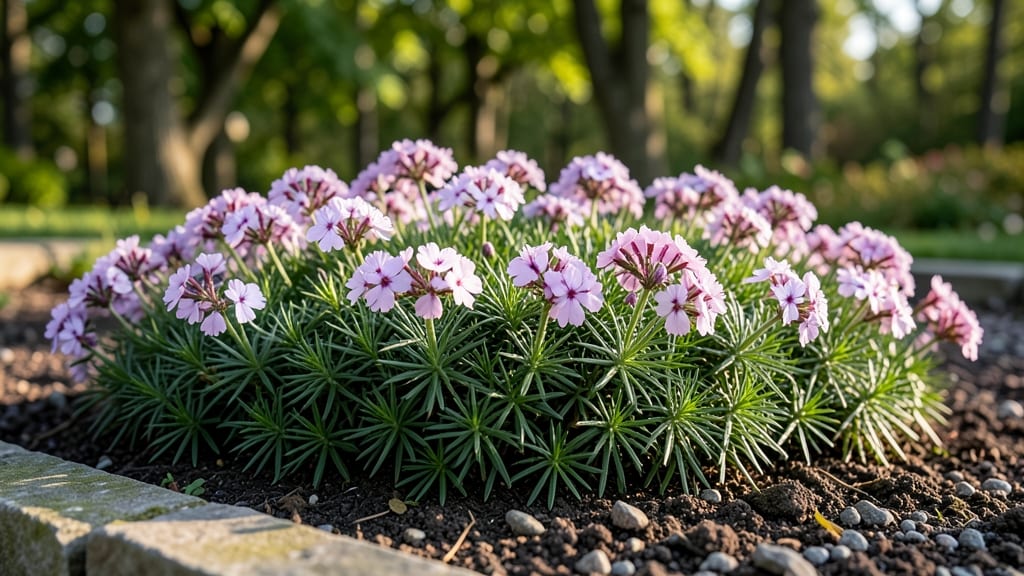
This creeping phlox is an annual or perennial plant that returns each season with proper care, thriving in USDA zones 3-8—though some varieties may appear dormant in extreme cold before reblooming in spring. Its low-growing nature makes it perfect for ground cover and garden borders.
This creeping phlox isn't just a one-season wonder—it's designed to come back stronger each year. 🌱 The secret lies in its deep root system, which stores energy during winter dormancy, allowing it to push through cold snaps in zones 3-8.
While some varieties may look browned-out after harsh winters, they often regrow from the roots once temperatures warm. This makes it a reliable choice for gardeners who want long-term color without annual replanting.
What sets creeping phlox apart from annuals is its ability to spread and self-sustain over time. With the right care—like proper pruning after blooming and winter mulching—you'll enjoy vibrant displays for years.
The key is understanding its growth cycle: it thrives when given space to spread while avoiding overcrowding, which can weaken its resilience.
💡 In This Article
- How Creeping Phlox Survives as a Perennial
- Tips for Extending Creeping Phlox’s Lifespan
How creeping phlox survives as a perennial
Creeping phlox survives winter through a clever combination of deep root systems and dormancy strategies. Its fibrous roots can extend 12-18 inches below the soil surface, storing carbohydrates that fuel regrowth in spring. Unlike annuals, these roots remain active even when above-ground growth dies back, creating a built-in energy reserve.
The plant's natural dormancy cycle triggers when temperatures drop below 40°F, causing foliage to brown while roots stay protected underground.
The plant's cold hardiness varies by variety, with some like Phlox subulata tolerating temperatures down to -30°F in zone 3, while others may struggle in zone 8's mild winters. What's fascinating is how these plants recover: even when completely browned by frost, the roots often remain viable.
Once soil temperatures rise above 50°F in spring, new shoots emerge from these dormant roots, proving why creeping phlox earns its perennial reputation. 🌟
Seasonal growth patterns play a crucial role in its survival. Creeping phlox typically blooms in early spring, then enters a growth phase where it focuses on building root mass rather than flowers. This strategy ensures the plant has enough energy reserves to withstand winter stress.
The key difference from annuals is this underground storage system - while annuals complete their entire life cycle in one season, perennials like creeping phlox invest in long-term infrastructure that pays off year after year.
What most gardeners don't realize is how light requirements affect this survival mechanism. Creeping phlox needs 6-8 hours of sunlight daily to build sufficient root energy stores. In shadier conditions (less than 4 hours of sun), the plant may still survive winters but with reduced vigor and flowering capacity.
This is why proper site selection becomes as important as winter care for long-term performance.
Another survival advantage is creeping phlox's ability to spread through stolons - horizontal stems that root at nodes. This creates a dense mat that insulates the soil surface, protecting roots from extreme temperature fluctuations.
The ground-hugging growth habit (typically 3-6 inches tall) also helps snow accumulate on top during winter, providing natural insulation. This multi-layered approach explains why creeping phlox thrives where many other perennials would fail.
Consider this comparison: while annuals like sweet alyssum complete their entire lifecycle in one season, creeping phlox acts like a marathon runner. It conserves energy during winter dormancy, then uses stored resources to produce flowers, foliage, and new roots simultaneously in spring.
This dual-purpose growth strategy is what makes it such a reliable garden performer across multiple seasons. 🌱