
Pests
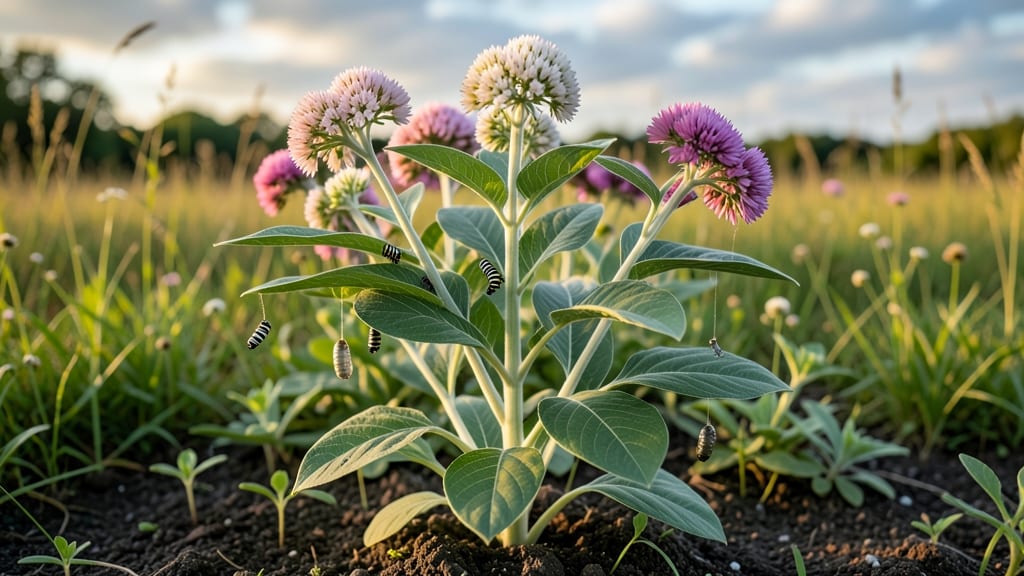
Monarch butterflies don't just eat milkweed—they depend on it for survival. 🌱 The entire lifecycle, from caterpillar to chrysalis, hinges on this plant, and without it, monarch populations struggle.
My first year growing milkweed changed everything; suddenly, my garden became a stopover for migrating butterflies, and the caterpillars thrived where they once vanished by spring.
This isn't just about feeding caterpillars—it's about creating a thriving ecosystem. Milkweed's toxic sap deters most pests, so you'll see fewer problems in nearby plants. Plus, the bright orange blooms attract other pollinators like bees and hummingbirds.
The key is planting the right varieties (like swamp milkweed for moisture-loving spots) and giving them space to spread naturally.
By mid-summer, you'll watch caterpillars munching through leaves, only to pupate into chrysalises that transform into butterflies by fall. The garden becomes a living classroom, and your role shifts from gardener to caretaker of a tiny, winged migration. Even small patches make a difference—monarchs will find them.
Start with native milkweed species for best results, and avoid over-fertilizing (they prefer lean soil). Pair with coneflowers or bee balm to extend the buffet for adult butterflies. The payoff? A garden that doesn't just look alive, but feels like part of something bigger.
📚 In This Guide
- What you need
- Instructions
- Tips and common mistakes
- Wrapping up and next steps
What you need
- ● Milkweed seeds or seedlings: Native species (e.g., Asclepias tuberosa, Asclepias syriaca, or Asclepias incarnata) – 5–10 plants (or 100+ seeds for direct sowing).
- ● Organic or non-GMO seeds preferred.
- ● Well-draining soil: Mix of native soil + compost (50/50 ratio) for planting.
- ● pH 6.0–7.5 (test with a soil kit if unsure).
- ● Sunlight access: Full sun (6+ hours/day) for optimal growth.
- ● Watering can or hose: With a gentle spray nozzle (to avoid disturbing seedlings).
- ○ Gloves (optional but recommended): Milkweed sap can irritate skin—gardening gloves help!
- ● Mulch: Straw or wood chips (1–2 inches) to retain moisture.
- ● Fertilizer: Low-nitrogen, slow-release (e.g., compost tea or worm castings).
- ● Pest deterrents: Neem oil or row covers for aphid-prone areas.
- ● Plant markers: Biodegradable labels to track milkweed varieties.
- ● Monarch-friendly companions: Native wildflowers (e.g., coneflowers, asters) for nectar.
How to create a monarch butterfly-friendly garden with milkweed
Here’s how to turn your garden into a monarch magnet—starting with the right milkweed varieties.
🌱 Step 1: Choose the Right Milkweed Species for Your Region
Not all milkweed is equal—some species thrive in dry climates, while others need consistent moisture. For eastern North America, **common milkweed (Asclepias syriaca) and swamp milkweed (Asclepias incarnata) are top picks. In the Southwest, antelope horns (Asclepias asperula) handles heat and drought beautifully. Always pick native species—they’re pre-adapted to your local pests and weather.
Check your USDA hardiness zone before buying. If you’re unsure, ask your local nursery for monarch-specific milkweed recommendations**. Avoid tropical milkweeds like Asclepias curassavica—while they feed caterpillars, they don’t support monarch eggs as reliably. Planting the wrong type means missed opportunities for breeding.
☀️ Step 2: Plant Milkweed in Full Sun with Well-Draining Soil
Monarchs seek out milkweed that’s healthy and vigorous, which means 6+ hours of direct sun daily. If your garden has partial shade, choose swamp milkweed—it tolerates moister, shadier spots better than others. Amend heavy clay soil with compost or sand to improve drainage; monarch caterpillars will avoid soggy plants.
Dig holes twice as wide as the root ball but no deeper. Gently loosen roots before planting—this encourages them to spread quickly. Water deeply right after planting to settle the soil, but avoid waterlogging. You’ll know you’ve done it right when the milkweed’s first true leaves appear within 2-3 weeks of planting.
🪴 Step 3: Space Plants for Easy Monitoring (and Caterpillar Access)
Space milkweed 12-18 inches apart in rows or clusters. This spacing lets you spot monarch eggs (tiny, white, and oval) without disturbing the plants. Females prefer to lay eggs on younger leaves, so prune back older growth in spring to encourage fresh, tender foliage.
Group at least 4-5 plants together—monarchs are more likely to lay eggs in clusters where they sense safety in numbers. If you’re planting for multiple generations, include both early- and late-season bloomers (like Asclepias tuberosa for spring and Asclepias syriaca for summer).
✂️ Step 4: Prune Strategically to Encourage New Growth
Cut back dead or damaged stems in early spring to redirect energy into fresh, monarch-approved foliage. Avoid heavy pruning in late summer—you want leaves for fall caterpillars preparing for migration. Leave some seed pods if you’re okay with volunteer milkweed popping up next season (a free bonus!).
Watch for aphids or milkweed beetles—they compete with caterpillars for food. A strong blast of water usually removes them, but if infestations persist, use neem oil (safe for monarchs when applied at dusk). Healthy milkweed = happy caterpillars = more butterflies.
💧 Step 5: Water Deeply but Infrequently (Like a Monarch’s Habitat)
Milkweed is drought-tolerant once established, but young plants need 1 inch of water per week during dry spells. Water at the base (not overhead) to prevent fungal diseases. You’ll see wilted leaves as a sign it’s time to water—milkweed bounces back quickly once hydrated.
Let the soil dry between waterings. Overwatering leads to root rot, which kills plants faster than a hungry caterpillar. Mulch with 2-3 inches of organic matter (like shredded leaves) to retain moisture and deter weeds. This mimics the prairie conditions monarchs evolved in.
Tips & tricks for creating a monarch butterfly haven
Creating a thriving monarch habitat isn't just about planting milkweed—it's about understanding their natural behaviors and preferences. Here's what I've learned from years of watching monarchs thrive in my own garden.
Species Selection Matters: The milkweed species you choose directly impacts monarch breeding success. In Step 1, when selecting varieties, prioritize those with high egg-laying rates. Common milkweed (Asclepias syriaca) is particularly attractive to females because its leaves contain higher levels of cardenolides, the chemical that makes them toxic to predators. For southern gardens, Asclepias tuberosa (butterfly weed) produces bright flowers that monarchs find irresistible during their migration stopovers.
Monitoring for Eggs: In Step 3, when spacing plants 12-18 inches apart, you're creating the perfect conditions for egg discovery. Here's what to watch for: monarch eggs are tiny white ovals about the size of a pinhead, usually laid on the underside of leaves. Check your plants every 2-3 days during peak migration seasons (spring and fall). I keep a small magnifying glass handy—it's amazing how easy eggs can be missed without one. Once you spot an egg, mark its location with a toothpick so you can track its development.
Pest Management Strategy: The neem oil recommendation in Step 4 is excellent, but timing matters. Apply neem oil in the evening when monarchs are less active, and always use the organic version labeled for edible plants. For persistent aphid problems, I've found that introducing ladybugs (available at garden centers) provides natural control without harming monarchs. Remember, monarch caterpillars are not picky eaters—they'll consume healthy leaves whether pests are present or not, so don't over-sanitize your plants.
Seasonal Planting Rotation: While the instructions mention including both early- and late-season bloomers, here's the complete strategy: plant Asclepias tuberosa (spring bloomer) alongside Asclepias syriaca (summer bloomer) to create a continuous food source. The spring variety provides foliage for early caterpillars, while the summer variety supports those preparing for fall migration. This rotation ensures your garden remains valuable throughout the entire monarch life cycle, from egg to chrysalis to adult butterfly.
Pro Tips for Do Monarch Butterflies Eat Milkweed
- Creating a thriving monarch habitat isn't just about planting milkweed—it's about understanding their natural behaviors and preferences.
- Species Selection Matters: The milkweed species you choose directly impacts monarch breeding success.
- Monitoring for Eggs: In Step 3, when spacing plants 12-18 inches apart, you're creating the perfect conditions for egg discovery.
Frequently asked questions
Got questions about monarch butterflies and milkweed? You’re not alone! Here are some of the most common queries—plus straightforward answers to help you create the perfect butterfly-friendly garden.
Do monarch caterpillars ONLY eat milkweed?
Monarch caterpillars are exclusive when it comes to milkweed—they rely solely on it for food during their larval stage. Without milkweed, they can’t survive or grow! However, adult monarchs sip nectar from a variety of flowers, so diversifying your garden with other blooms (like coneflowers or asters) will attract them too.
When is the best time to plant milkweed for monarchs?
Plant milkweed early spring (as soon as the ground is workable) or late summer to ensure it establishes roots before monarchs lay eggs. Native milkweed species (like Asclepias tuberosa) thrive in full sun and well-drained soil. Pro tip: Leave some leaves on your plants—monarchs prefer to lay eggs on healthy foliage!
What if I don’t have milkweed? Are there alternatives?
Unfortunately, no other plant can fully replace milkweed for monarch caterpillars. But you can buy milkweed plants from reputable nurseries or grow it from seed. If space is limited, even a small pot of milkweed on a balcony can make a difference! For adult butterflies, native flowers with flat or clustered blooms (like bee balm or goldenrod) are great nectar sources.
Why are there holes in my milkweed leaves? Is it monarchs?
Holes or chewed leaves are a good sign—it means monarch caterpillars are feasting! However, pests like aphids or spider mites can also damage milkweed. To troubleshoot: Check for tiny green/black caterpillars (monarchs) or sticky residue (aphids). Spray leaves with water to deter pests, or introduce beneficial insects like ladybugs if needed.
Can I grow milkweed in containers?
Absolutely! Container-grown milkweed is perfect for small spaces, balconies, or urban gardens. Use a pot at least 12 inches deep with drainage holes and well-draining soil. Native species like Asclepias curassavica (tropical milkweed) thrive in pots. Just ensure the container gets 6+ hours of sunlight daily—monarchs (and your plants) will thank you!
Wrapping up and next steps
Monarch butterflies absolutely thrive on milkweed—it’s their lifeline! This host plant provides essential nutrients for their growth and survival, making it a must-have in any butterfly-friendly garden. 🌿 By planting milkweed, you’re not just supporting these iconic insects; you’re fostering a healthier ecosystem.
Ready to take action? Start small—whether it’s a single patch of milkweed or a full garden transformation. Every plant makes a difference! Tag us in your garden photos and share your monarch sightings with #MilkweedMagic.