
Plants
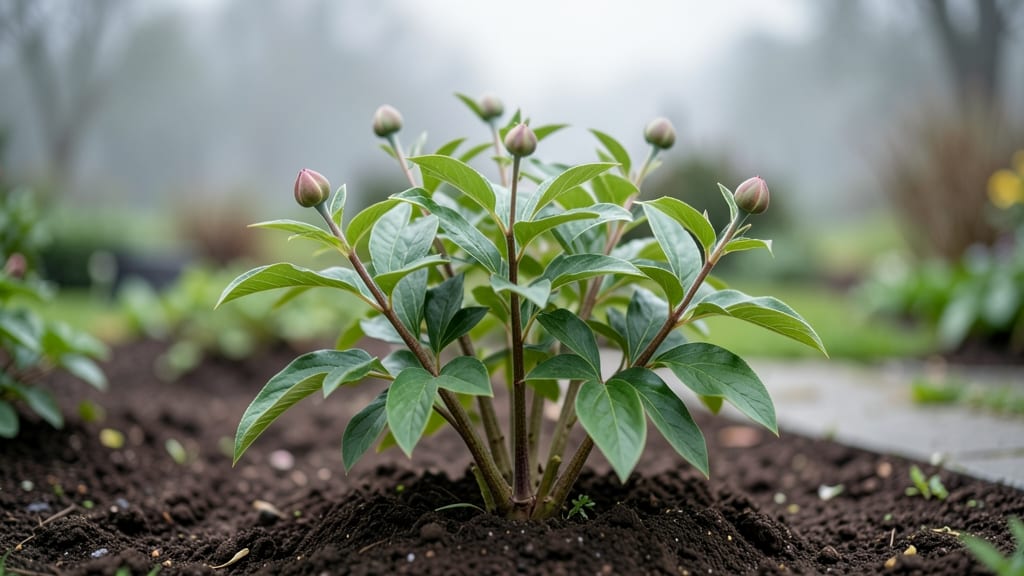
Yes, perennials come back each year because their underground structures—roots, rhizomes, or crowns—store energy during winter dormancy and regrow when conditions improve. Unlike annuals, they don’t complete their life cycle in one season but cycle through growth, decline, and renewal annually.
This survival strategy relies on specialized storage organs like bulbs, tubers, and thick roots that act as energy banks. 🌱 For example, peonies regrow from their massive, fleshy roots, while hostas rely on their underground rhizomes to push new shoots each spring.
The key is their ability to pause growth during cold months, conserving energy until warmth triggers regrowth—making them low-maintenance compared to annuals that must be replanted yearly.
What sets perennials apart is their seasonal adaptation. Many appear "dead" in winter, but their roots remain alive beneath the soil, ready to burst forth when temperatures rise.
This cycle explains why your gardenia or daylily might look dormant in winter but return stronger than ever in spring—proof that their roots have been quietly preparing all along.
💡 In This Article
- How Perennial Plants Survive Winter Dormancy
- Signs Your Perennials Are Dying vs. Just Dormant
How perennial plants survive winter dormancy
The secret to perennials' resilience lies in their specialized underground storage systems. Unlike annuals that complete their entire life cycle in one season, perennials have evolved to store energy in structures like bulbs, tubers, rhizomes, and thick roots.
For example, a daffodil bulb stores carbohydrates in its fleshy scales, while a peony's thick roots act like a food reserve. These storage organs can contain up to 50-70% starch by weight, providing the fuel needed for regrowth in spring.
Temperature acts as the natural trigger for this cycle. Most perennials enter dormancy when daytime temperatures consistently drop below 50°F (10°C) for several weeks. This cold period signals their roots to stop active growth and redirect energy into storage.
The process involves biochemical changes where enzymes break down complex carbohydrates into simpler sugars that the plant can easily access later. Interestingly, some perennials like crocuses actually need a period of cold stratification to break their dormancy cycle, similar to how seeds require cold treatment to germinate.
Cold hardiness zones play a crucial role in determining which perennials will thrive in your region. For instance, hardy perennials like coneflowers (Echinacea) can survive down to -30°F (-34°C) in Zone 3, while tropical perennials like elephant ears (Colocasia) only tolerate temperatures down to 40°F (4°C) in Zone 9.
The plant's ability to withstand cold depends on its cellular adaptations, including increased production of antifreeze proteins that prevent ice crystal formation in their tissues.
What's fascinating is how perennials balance water conservation with energy storage. During dormancy, many perennials reduce their water content to 30-50% of their growing-season levels, which helps prevent freeze damage.
This is why you'll often see perennials with crisp, papery leaves in winter—they've essentially dehydrated themselves as a protective mechanism. Some, like lamb's ear (Stachys byzantina), even develop a waxy coating that further reduces water loss and cold damage.
The regrowth process begins when soil temperatures reach 40-50°F (4-10°C), typically 2-4 weeks before last frost. The stored carbohydrates convert back into sugars that fuel new shoot growth.
This is why you might see tiny green shoots emerging through the soil while frost is still possible—perennials are remarkably sensitive to these subtle temperature changes.
The timing can vary by species, with some early bloomers like bleeding hearts (Dicentra spectabilis) pushing shoots in early spring, while others like black-eyed Susans (Rudbeckia) wait until late spring.
One often overlooked factor is the role of microorganisms in the soil. Beneficial fungi form symbiotic relationships with perennial roots, helping them absorb nutrients and water more efficiently during both growing and dormant seasons.
This mycorrhizal network acts like an underground support system, ensuring the plant has access to resources even when above-ground growth has ceased. 💫