
Advice
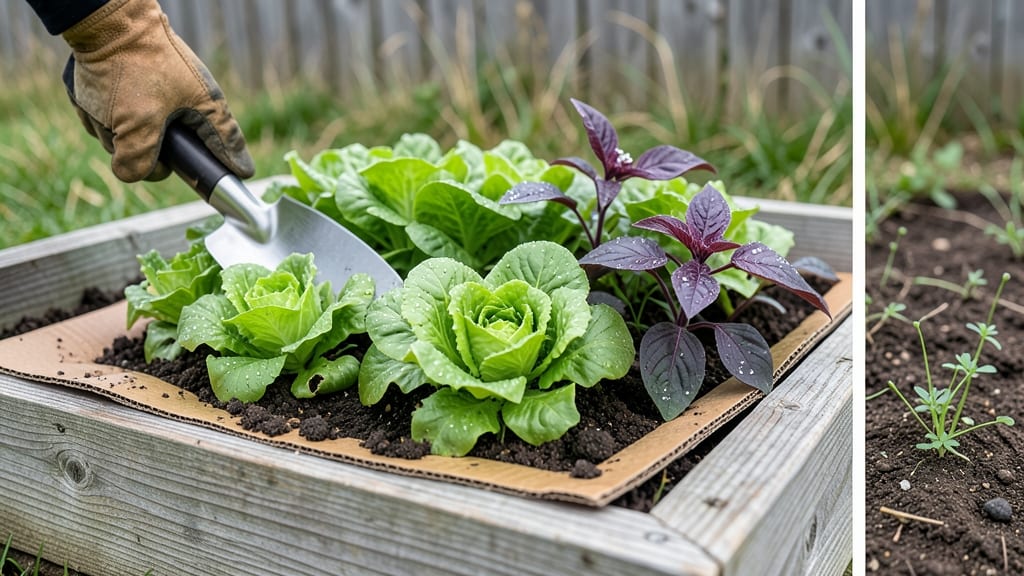
Yes, cardboard prevents weeds by blocking sunlight, but its effectiveness lasts only 3–12 months depending on thickness and weather conditions. For the best results, use unbleached, ink-free cardboard layered under mulch or compost in garden beds, avoiding direct contact with plant roots.
Cardboard works as a weed barrier because it smothers existing weeds and prevents new seeds from germinating by cutting off their sunlight supply. 🌱 However, its lifespan varies—thicker, unbleached cardboard lasts longer in moist climates, while bleached or thin varieties break down faster.
I've found that pairing it with organic mulch extends its weed-blocking power while also improving soil health over time. The key is proper placement: lay it flat with the printed side down to prevent ink from leaching into the soil, and replace it once it starts to disintegrate.
For gardeners looking for a budget-friendly, eco-conscious solution, cardboard is one of the best temporary weed suppressors. Just remember that while it won't eliminate weeds forever, it buys you valuable time while you establish healthier plants or apply more permanent barriers like landscape fabric.
💡 In This Article
- How Cardboard Blocks Weed Growth and Its Decomposition Timeline
- Optimal Cardboard Placement for Weed Control in Gardens
How cardboard blocks weed growth and its decomposition timeline
Cardboard suppresses weeds primarily through light deprivation—a technique called smothering. Most weed seeds require 4-6 hours of direct sunlight daily to germinate and grow.
When you lay down a thick layer of cardboard, it creates a physical barrier that cuts off this light, effectively starving existing weeds and preventing new ones from sprouting.
The process works best with corrugated cardboard, which has air pockets that trap moisture against the soil, creating an inhospitable environment for weed seeds.
The decomposition timeline of cardboard depends on several factors. Unbleached, ink-free cardboard breaks down in 3-6 months in humid climates, while bleached varieties (which contain toxic chemicals) may last only 1-3 months before disintegrating.
Thickness matters too: standard 1/16-inch thick cardboard lasts about 6 months, whereas double-layered cardboard can extend this to 9-12 months. Temperature and moisture accelerate breakdown—cardboard decomposes 30-50% faster in warm, wet conditions compared to dry, cool climates. 🌱
What most gardeners don't realize is that cardboard also affects soil moisture. When properly layered, it retains 20-30% more soil moisture than bare ground, which can actually help your plants while simultaneously suffocating weeds.
However, if the cardboard isn't laid flat or overlaps poorly, gaps form that allow sunlight to penetrate, reducing its effectiveness. The printed side should always face down to prevent ink from leaching into the soil, which could harm beneficial microbes and plants.
Here's what happens chemically: Cardboard is made primarily of cellulose, which decomposes through microbial action. In the soil, fungi and bacteria break down the cellulose into simpler compounds, releasing nutrients like nitrogen and carbon over time.
This process is faster in unbleached cardboard because it lacks the chemical additives found in bleached varieties. For example, a 100-square-foot area covered with unbleached cardboard can add 1-2 pounds of organic matter to the soil as it decomposes, improving long-term soil structure.
Seasonal timing also plays a role in effectiveness. In spring and summer, when weed seeds are most active, cardboard works best when combined with a 2-3 inch layer of mulch (like straw or wood chips) on top.
This extra layer blocks any remaining light gaps and extends the weed suppression period by 2-3 months. In fall, you can use cardboard as a winter mulch—its decomposition slows in cold weather, giving you a longer-lasting barrier until spring planting. 🌿
For maximum weed control, consider this layered approach: Start with a 1/8-inch thick cardboard sheet, overlap edges by 2-3 inches, then add 3 inches of organic mulch on top.
This combination blocks light, retains moisture, and gradually enriches the soil as the cardboard breaks down—making it a win-win for both weed prevention and garden health.