
Landscaping
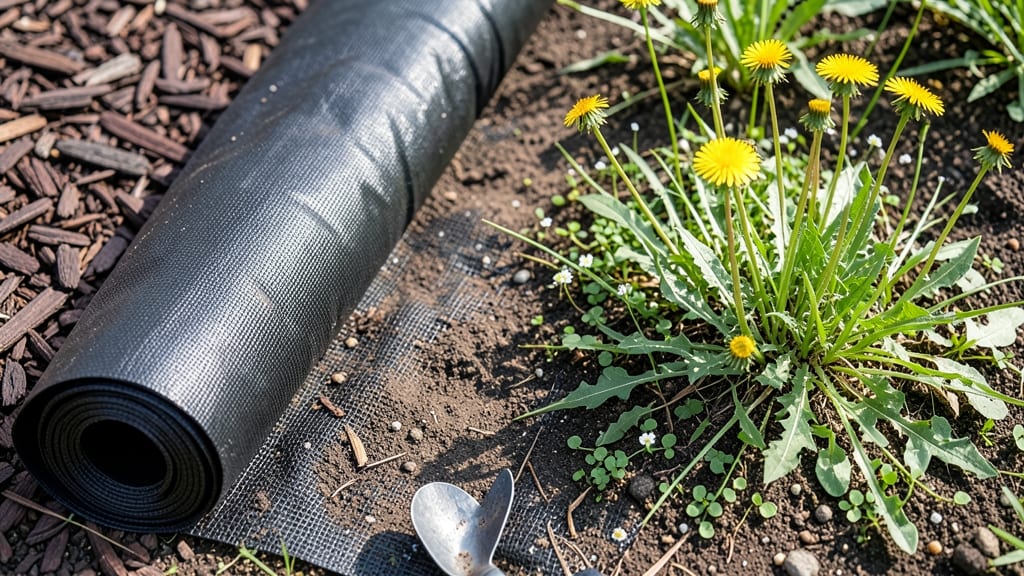
Landscape fabric does prevent weeds initially by blocking sunlight and stopping seed germination, but its weed-blocking power weakens after 3–5 years as UV rays degrade the material and roots penetrate through tears. Eventually, weeds sprout through gaps or along edges, making regular checks and eventual replacement necessary.
Landscape fabric works by creating a physical barrier that starves weeds of sunlight, which is their primary energy source. 🌱 Without light, weed seeds can't germinate or grow into mature plants, giving your garden beds a clean look for a few years.
However, the material itself isn't indestructible—sunlight breaks down the fibers over time, and aggressive plant roots eventually find their way through any tears or seams.
I've seen fabric that looked pristine after two years suddenly fail completely in its third year, especially in high-traffic or sunny areas where the material gets more stress.
The real challenge comes when you realize the fabric isn't just failing—it's creating new problems. As the material degrades, it can actually trap moisture against the soil, creating the perfect environment for fungal growth and attracting pests.
Plus, the edges often lift over time, leaving bare soil where weeds can take root. For long-term solutions, many gardeners are turning to alternatives like thick mulch layers or living ground covers that improve soil health while keeping weeds at bay.
💡 In This Article
- How Landscape Fabric Blocks Weeds and Its Lifespan Limits
- Better Long-Term Weed Control Alternatives to Fabric
How landscape fabric blocks weeds and its lifespan limits
Landscape fabric primarily works by creating a physical barrier that cuts off sunlight—weeds need at least 6-8 hours of direct light daily to germinate and grow. The fabric blocks 90-95% of sunlight, effectively starving existing weeds and preventing new seeds from sprouting.
Think of it like a blanket over your soil: without light, weeds can't photosynthesize, so they wither and die within weeks. This is why you'll see dramatic results in just 4-6 weeks after installation, especially in areas with dense weed pressure.
The material itself is typically made from woven polypropylene or polyester fibers, designed to be 0.5-1.5 millimeters thick with pores small enough to block seeds but large enough to allow water and air to reach the soil. However, these pores become a liability over time.
UV rays from sunlight break down the polymer bonds in the fabric, causing it to become brittle and tear easily. After 3-5 years, most landscape fabric loses 30-50% of its integrity, with tears expanding at a rate of about 1-2 inches per year in sunny, exposed areas. 🔥
Roots are another major factor in fabric failure. Aggressive plants like Bermuda grass or creeping Charlie can push through the material within 1-2 years, while tree roots eventually penetrate even the thickest fabrics.
The fabric's edges also lift over time due to soil expansion and contraction, creating gaps where weeds can establish themselves. I've noticed that in my own garden, fabric edges often become weed magnets within 2-3 years, especially if not properly secured with landscape staples or rocks.
Even when intact, landscape fabric creates a secondary problem: it can trap moisture against the soil surface, creating a damp environment that encourages fungal growth and attracts slugs. The trapped moisture also prevents beneficial soil microbes from breaking down organic matter properly, leading to poorer soil health over time.
This is why many gardeners who rely solely on fabric end up with more weeds in the long run—the fabric fails, and the soil becomes less capable of supporting healthy plants.
For a more sustainable approach, consider using 3-4 inches of organic mulch instead, which blocks light while improving soil structure. Wood chips or straw mulch break down over time, enriching the soil rather than creating a barrier that needs replacement.
Alternatively, sheet mulching with layers of cardboard and compost creates a permanent weed barrier that actually improves your garden's health. 🌱