
Landscaping
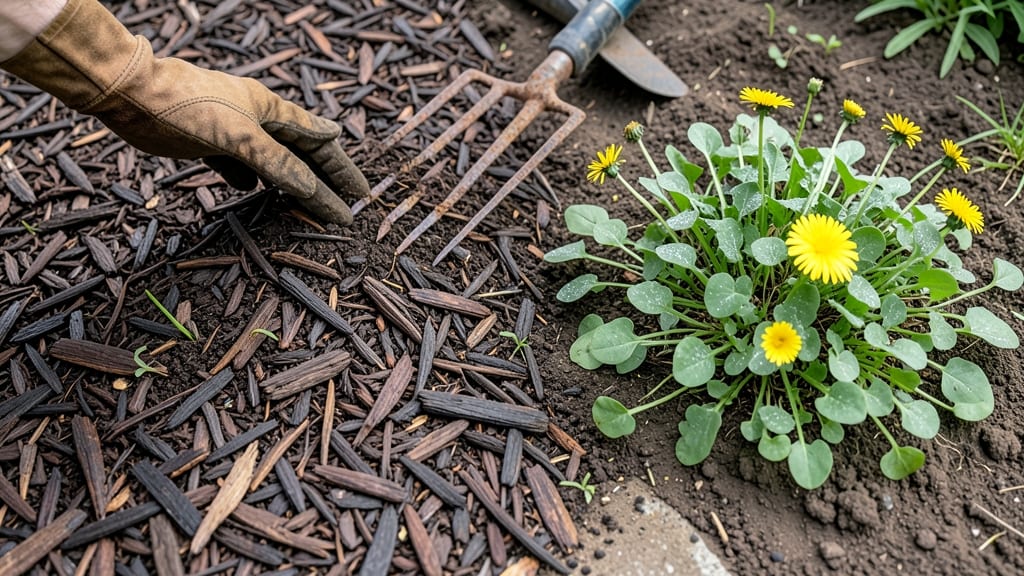
Mulch does prevent weeds by blocking sunlight, which stops seeds from sprouting and growing, though it won’t remove existing weeds completely. Organic mulches also work by smothering soil and enriching it over time.
Mulch acts like a natural weed barrier by creating a physical shield that cuts off light—most weed seeds need sunlight to germinate. 🌱 A 3-4 inch layer is ideal for blocking light effectively, but even thinner layers help by raising soil temperature and drying out weed seeds.
Organic mulches like wood chips or straw break down over time, adding nutrients to the soil while inorganic options like gravel or landscape fabric provide long-term suppression without decomposition.
Think of mulch as a two-part system: it starves weeds of sunlight while improving soil health. Organic mulches release beneficial compounds that can further inhibit weed growth, but they require occasional replenishment.
In contrast, inorganic mulches last longer but don’t contribute to soil fertility. The key is consistency—maintaining proper thickness and type for your specific garden needs.
💡 In This Article
- How Mulch Blocks Weed Growth Mechanically and Chemically
- Best Mulch Types for Weed Control in Gardens
How mulch blocks weed growth mechanically and chemically
Mulch suppresses weeds primarily by creating a physical barrier that blocks sunlight—a critical factor for seed germination. Most weed seeds require light to trigger sprouting, and when covered with even 1 inch of mulch, they often fail to break through the surface.
This is why a 3-4 inch layer is ideal: it creates a dense enough shield that even aggressive weeds like crabgrass struggle to penetrate. The thicker the layer, the more effective the suppression, as it also raises soil temperature slightly, creating an inhospitable environment for emerging seedlings. 🌱
Organic mulches like wood chips or straw take weed suppression a step further through a process called allelopathy. As these materials decompose, they release natural compounds that inhibit weed seed growth.
For example, cedar mulch contains oils that suppress weeds by disrupting their metabolic processes, while wood chips slowly break down, adding nutrients that crowd out weed roots. In contrast, inorganic mulches like black plastic or gravel only work by blocking light—they don’t improve soil health or release chemical inhibitors.
The key difference is that organic mulches improve soil structure over time, while inorganic options provide a sterile barrier.
Soil moisture plays a surprising role in weed control. Mulch reduces evaporation, keeping the soil beneath it consistently moist. Many weed seeds require alternating wet-dry cycles to germinate, and the stable moisture under mulch disrupts this pattern.
This is why mulched areas often see fewer weeds even when rainfall is inconsistent. However, too much moisture can lead to fungal issues, so proper drainage is essential—especially in clay-heavy soils where water pools beneath the mulch layer. 💧
Thickness matters more than most gardeners realize. A 2-inch layer might reduce weeds by 50%, but a 4-inch layer can achieve up to 90% suppression in ideal conditions. The trade-off? Thicker mulch takes longer to decompose (for organic types) and may require more frequent replenishment.
Inorganic mulches like landscape fabric don’t degrade but can trap heat in summer, potentially harming shallow-rooted plants. The sweet spot is usually 3 inches, balancing weed suppression with practical maintenance.
Consider the texture of your mulch too. Fine materials like straw or shredded leaves create a tighter seal against light, while chunky wood chips leave small gaps where weeds might sneak through.
For high-weed-pressure areas, combining mulch types—like a 2-inch base of cardboard (to smother existing weeds) topped with 3 inches of wood chips—can double effectiveness. This layered approach is especially useful in vegetable gardens where weed competition is fierce. 🌿
One common myth is that mulch eliminates weeds entirely. In reality, it suppresses them by 80-95% depending on type and thickness, but persistent weeds like dandelions or bindweed may still emerge. The solution?
Combine mulch with regular inspections and targeted removal of any breakthroughs. Over time, mulched beds develop healthier soil with stronger native plants that naturally outcompete weeds, reducing the need for manual intervention. 🌟