
Fertilization
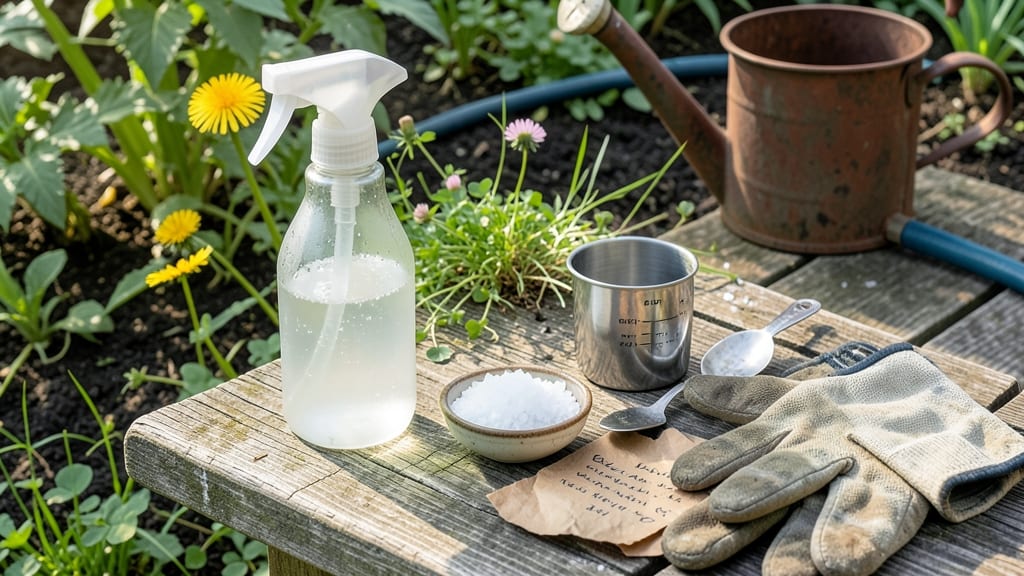
When stubborn weeds threaten your garden, Epsom salt weed killer offers a natural, salt-infused solution that works without harsh chemicals. I’ve used this method to clear driveways and garden edges where traditional herbicides failed—it’s a game-changer for organic gardeners tired of toxic sprays.
The key lies in its magnesium sulfate content, which dehydrates weeds at the root while leaving soil safe for plants you want to keep.
You’ll need just 2 cups of Epsom salt per gallon of water, mixed until fully dissolved. For best results, apply on a dry, sunny day when weeds are actively growing—this maximizes absorption.
The solution works fastest on broadleaf weeds like dandelions and chickweed, though persistent weeds may require 2-3 applications spaced 1 week apart. Safety is simple: avoid spraying desirable plants, as salt can harm their roots too.
Expect visible wilting within 24-48 hours, with full weed death in 5-7 days. The process is slow but eco-friendly, breaking down naturally without harming beneficial insects or soil microbes. Unlike chemical weed killers, this method won’t leave behind residue that could contaminate groundwater or harm pets.
For tougher weeds or large areas, consider combining Epsom salt with vinegar (1 gallon white vinegar + 1 cup salt) for enhanced effectiveness. Always test a small area first—some soils or plants may react differently. With this approach, you’ll reclaim your garden without compromising its health or yours.
📚 In This Guide
- What you need
- Instructions
- Tips and common mistakes
- Wrapping up and next steps
What you need
- ● Epsom salt (magnesium sulfate): 2 cups (16 oz or ~450g) – Ensure it’s 100% pure, unscented for best results.
- ● Water: 1 gallon (3.8 liters) – Use hot water (180°F/82°C or boiling) to dissolve the salt faster.
- ● Spray bottle or garden sprayer: 16–32 oz capacity – A pump sprayer works best for larger areas.
- ● Protective gear: Gloves (nitrile or rubber)
- ● Long sleeves/pants
- ○ Eye protection (optional but recommended)
- ● Measuring cups/spoons – For precise salt-to-water ratios.
- ● Garden hose with spray nozzle – For larger weed-infested areas.
- ● Plastic or metal container – If mixing in bulk (e.g., 5-gallon bucket).
- ○ White vinegar (1 cup) – Adds extra killing power (optional but effective for tough weeds).
- ● Dish soap (1 tbsp) – Acts as a surfactant to help the solution stick to weeds.
Step-by-step instructions for using Epsom salt as a natural weed killer
Here's how to harness the power of Epsom salt for effective, organic weed control—without harming your lawn or garden.
Prepare the Epsom Salt Solution
In a clean 5-gallon bucket, dissolve 1 cup of Epsom salt in 4 gallons of warm water. Stir thoroughly until the salt fully dissolves—you should see no visible crystals remaining. Warm water helps the magnesium sulfate break down faster, ensuring an even distribution for maximum effectiveness.
For tougher weeds, you can increase the concentration slightly by using 1.5 cups of Epsom salt per 4 gallons of water, but test this on a small, inconspicuous area first. The solution should be fully saturated but not overly thick—it should pour freely without leaving residue.
Apply the Solution to Targeted Weed Areas
Fill a spray bottle or pump sprayer with the Epsom salt solution. For larger areas, a garden sprayer works best to cover weeds thoroughly. Focus on applying the solution directly to the leaves and stems of weeds, avoiding desirable plants entirely. You’ll notice the weeds begin to wilt within 24-48 hours as the magnesium disrupts their cellular processes.
Reapply the solution every 3-4 days until the weeds are completely eradicated. Consistency is key—single applications may only slow growth rather than eliminate the weed. Early morning application works best, as the solution has time to absorb before evaporation.
Monitor and Reapply as Needed
After the initial treatment, check the targeted areas daily. You’ll see weeds turning yellow and eventually dying back within 7-10 days, depending on their size and type. For deep-rooted weeds like dandelions or clover, you may need to repeat the process 2-3 times for full control.
If new weeds sprout in the same area, treat them promptly—they’ll be more susceptible to the solution when young. Avoid applying the mixture to soil where you plan to plant new vegetation, as the residual salt can inhibit seed germination and root growth.
Prevent Regrowth and Maintain Healthy Soil
Once weeds are eliminated, maintain the area by regularly hoeing or hand-pulling any new growth. For long-term prevention, apply a 2-inch layer of organic mulch (like straw or wood chips) to suppress weed seeds from germinating. Mulch also retains moisture and improves soil health over time.
If you notice your lawn or garden plants showing signs of stress (yellowing leaves, stunted growth) after treatment, flush the soil with plain water to dilute any residual salt. This step is especially important if you’ve treated areas near desirable plants or edible gardens.
Tips & tricks for perfect Epsom salt weed control
This salt-based solution works best when you follow these key strategies—trust me, I’ve seen what happens when you skip them.
Solution Strength Matters: Stick to the 1 cup per 4 gallons ratio for general weeds, but for tougher varieties like dandelions, the 1.5 cups per 4 gallons concentration works better. The key is complete dissolution—if you see any undissolved crystals, strain the solution through a fine mesh sieve before applying. This ensures even distribution and prevents salt buildup in the soil.
Timing is Everything: Those 24-48 hours before you see wilting aren’t just numbers—they’re when the magnesium sulfate starts disrupting the weed’s cellular processes. Spray in the early morning so the solution has maximum time to absorb before evaporation. If you’re treating a large area, consider applying a second coat later that same day to maintain effectiveness.
Target Application Technique: Don’t just splash the solution around—focus on leaves and stems exclusively. Use a sprayer with a fine mist setting to ensure thorough coverage without oversaturating the soil. A quick visual check after application should show even moisture distribution on the weed surfaces. This precision prevents collateral damage to surrounding plants.
Monitor and Adapt: After the initial treatment, check daily for signs of stress—yellowing leaves or wilting stems indicate the solution is working. For deep-rooted weeds, you’ll need 2-3 applications spaced 3-4 days apart. If new weeds appear, treat them immediately while they’re still young, as mature plants require more concentrated solutions.
Pro Tips for Epsom Salt Weed Killer Recipe
- This salt-based solution works best when you follow these key strategies—trust me, I’ve seen what happens when you skip them.
- Solution Strength Matters: Stick to the 1 cup per 4 gallons ratio for general weeds, but for tougher varieties like dandelions, the 1.5 cups per 4 gallons concentration works better.
- Timing is Everything: Those 24-48 hours before you see wilting aren’t just numbers—they’re when the magnesium sulfate starts disrupting the weed’s cellular processes.
Frequently asked questions
Got questions about using Epsom salt as a weed killer? You’re not alone! Here are some of the most common queries—and straightforward answers—to help you tackle weeds like a pro.
How long does it take for Epsom salt to kill weeds?
Epsom salt typically starts working within 24–48 hours, but full results may take 3–7 days, depending on the weed type and weather. Hot, sunny days speed up the process, while rain can dilute the solution. Reapply if weeds persist after a week.
Can I use Epsom salt weed killer on grass?
No—never apply Epsom salt directly to lawns or grass. The magnesium sulfate dehydrates plants, including desirable grass. Use it only in driveways, sidewalks, cracks, or non-vegetative areas. For grassy spots, opt for vinegar or manual removal instead.
What’s a better alternative if Epsom salt doesn’t work?
If weeds survive, try these natural alternatives:
- Boiling water: Pour directly on weeds (best for small patches).
- Vinegar + dish soap: Mix 1 gallon white vinegar + 1 tbsp soap for a fast-acting killer.
- Corn gluten meal: Prevents weed seeds from sprouting (great for pre-emergent control).
- Salt + vinegar combo: More potent than Epsom salt alone (use sparingly).
Why did my weeds grow back after using Epsom salt?
Weeds may regrow if:
- You missed weed roots (dig deeper or spot-treat).
- The solution was too diluted (use a 1:1 ratio with water).
- Rain washed it away (reapply after storms).
- Weeds are deep-rooted (like dandelions)—use a follow-up method like vinegar or manual pulling).
Is Epsom salt weed killer safe for pets or kids?
Epsom salt is non-toxic when used as directed, but:
- Avoid letting pets lick treated areas until dry (24 hours).
- Keep kids away while applying to prevent accidental ingestion.
- Test a small area first if near plants you want to protect.
Wrapping up and next steps
Natural weed control doesn’t have to be complicated—or expensive! With just Epsom salt and water, you’ve got a simple, eco-friendly solution to tackle those stubborn weeds. Whether you’re dealing with a garden, driveway, or patio, this recipe is a game-changer for keeping your space clean without harsh chemicals. 🌱
Ready to take the next step? Test a small area first to ensure it works for your specific weeds, then roll out your salt-infused solution with confidence. Happy weeding—and enjoy a weed-free space in no time! 🚀