
Tools
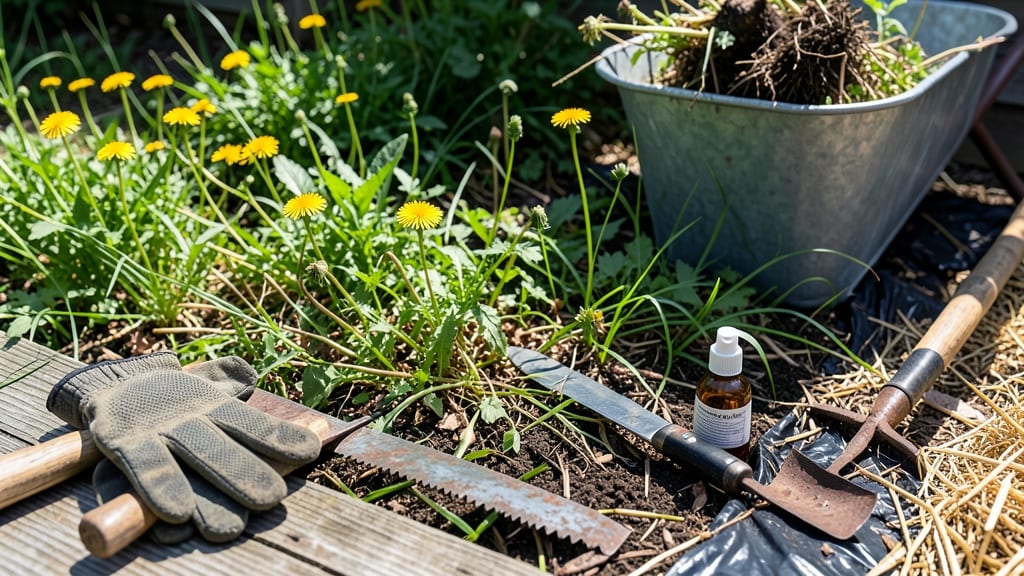
Clearing a vegetable garden full of weeds is the first step to reclaiming your growing space—without resorting to harsh chemicals. 🌱 I’ve wrestled with stubborn weeds that seemed to multiply overnight, but the right method makes it manageable.
The key is timing, the right tools, and a systematic approach that keeps weeds from creeping back.
Start with a sunny weekend morning when the soil is damp but not soggy—this makes weeds easier to pull without breaking. You’ll need a sturdy garden fork, a pair of gloves, a sharp hoe, and a bucket for debris.
For stubborn roots, a dandelion digger or even a screwdriver works wonders. The goal is to remove weeds entirely, so they don’t regrow from fragments left behind.
Work in sections, pulling weeds at the base to avoid leaving roots in the soil. For thick mats of weeds, smother them with cardboard or thick layers of mulch to block sunlight and weaken their growth.
This method also improves soil health over time, giving your vegetables a stronger start. By the end, your garden bed will feel light and ready for planting.
Prevent future weed battles by maintaining a thick layer of mulch and planting densely to block sunlight. Regularly check for new sprouts and address them early—this keeps your garden productive and reduces the workload next season. The effort now means fewer weeds and more harvests later.
📚 In This Guide
- What you need
- Instructions
- Tips and common mistakes
- Wrapping up and next steps
What you need
- ● Garden Gloves – Heavy-duty, waterproof gloves (2 pairs, one for digging, one for handling prickly weeds like thistles).
- ● Sturdy Garden Fork – A heavy-duty bypass pruner (for cutting thick stems) or a digging fork (for loosening roots).
- ● Hoe or Weeding Knife – A stainless steel draw hoe (for slicing weeds at the soil line) or a serrated-edged weeding knife (for precision).
- ● Garden Rake – A bow rake (for leveling soil) or a handheld weeder (for stubborn roots).
- ● Wheelbarrow or Large Bin – For hauling weeds out of the garden (30+ gallon capacity recommended).
- ● Compost Bin or Trash Bags – Heavy-duty bags (for weeds with seeds—do not compost these!).
- ● Kneeling Pad – A thick, cushioned pad to protect your knees during long sessions.
- ● Water Hose with Adjustable Nozzle – For rinsing tools and wetting soil before pulling.
- ● Vinegar or Herbicide – Natural vinegar (5% acetic acid) or glyphosate-free herbicide for tough patches (use sparingly).
- ● Mulch (Straw, Wood Chips, or Cardboard) – To smother remaining weeds and retain moisture.
- ● Garden Twine or String – For tying up stubborn weeds before pulling.
- ● Sunscreen & Hat – Because no one wants a sunburn mid-weeding!
Step-by-step instructions for clearing a weed-infested vegetable garden
Here’s my go-to method for transforming a weed jungle into clean, workable soil—no shortcuts, just effective action.
🪴 Step 1: Gather the Right Tools for the Job
Start by collecting a garden fork, hand weeder, pruners, and heavy-duty gloves. I like to add a wheelbarrow or large tarp to haul weeds away—this keeps your workspace tidy and prevents recontamination. A bucket of soapy water (1 gallon water + 1 tablespoon dish soap) is key for killing weeds on-site without spreading seeds.
Don’t skip the gloves—weeds like thistles and bindweed have sharp spines that tear skin. I also keep a small spray bottle with vinegar (1 part vinegar to 3 parts water) for spot-treating stubborn weeds that break off at the surface. This ensures you don’t leave roots behind to regrow.
✂️ Step 2: Remove the Largest Weeds First
Start with the tallest, most mature weeds—these are competing with your future crops for nutrients. Use the garden fork to loosen soil around their bases, then grasp the weed at the soil line and pull firmly upward. You’ll hear a satisfying pop when the roots release. For deep-rooted weeds like dandelions, wiggle the fork back and forth to break the taproot before pulling.
If a weed resists, don’t force it—dig deeper instead. I’ve learned the hard way that leaving even a 1-inch root fragment means the weed will return, often stronger. Once removed, drop weeds into your soapy water bucket (not the compost pile) to kill seeds and prevent regrowth. This step takes the most time but sets you up for success.
🌱 Step 3: Tackle the Stubborn Ground Cover
Now focus on low-growing weeds like clover, chickweed, or creeping charlie. Use the hand weeder to pry them out by the roots—grab just above the soil line to avoid breaking the tool. For weeds with shallow roots (like lamb’s quarters), a quick tug often works. If the soil is dry, water it lightly first to soften the roots and make pulling easier.
Watch for weed runners (like morning glory or bindweed) that spread horizontally. Cut these at the soil line with pruners, then dig out any remaining root fragments. I mark these areas with a stake so I can monitor them later—some weeds hide until conditions are perfect for regrowth.
💧 Step 4: Prepare the Soil for Planting
Once the weeds are gone, rake the soil to break up clumps and level the surface. This is where you’ll spot any missed roots or hidden weeds—now’s the time to pull them out before planting. If the soil looks compacted, use the garden fork to aerate it by jabbing down every 6 inches in a grid pattern.
For extra protection, lay down cardboard or newspaper (no glossy ink) over bare soil in high-weed areas, then cover with 2-3 inches of mulch (straw or shredded leaves work best). This smothers remaining weed seeds and retains moisture. I’ve found that skipping this step means dealing with weeds all over again in 2-3 weeks.
☀️ Step 5: Maintain Weed-Free Soil Long-Term
After planting, water deeply to help young plants establish before weeds do. I schedule weekly inspections—just 10 minutes of pulling new sprouts prevents them from taking root. Mulch again in 4-6 weeks as it breaks down, and avoid tilling, which stirs weed seeds to the surface.
Real talk: Weeds will always return, but this method keeps them manageable. I’ve cleared gardens this way for years, and the key is consistency. Once your soil is clean, plant cover crops like clover in the off-season to outcompete weeds naturally.
Tips & tricks for clearing a weed-infested garden
Here's what nobody tells you about turning a weed jungle into a garden paradise—these tricks save time and frustration.
The Root-Out Rule: When you pull weeds, focus on the soil line—this is where the root meets the stem. For stubborn weeds, wiggle the tool back and forth to break the root before pulling upward. I’ve found that even a 1-inch root fragment left behind can regrow into a full weed within weeks. If the weed resists, dig deeper or use your hand weeder to pry it loose from below.
Soapy Water Secret: That 1 gallon of soapy water isn't just for cleanup—it’s your weed disposal system. Weeds dropped into this mixture die within hours, preventing seeds from spreading. I keep a dedicated bucket nearby and add fresh weeds throughout the day. For extra tough weeds, a quick dip in vinegar solution (1 part vinegar to 3 parts water) kills them on contact before they break apart.
Weekly Inspection Strategy: Your 10-minute weekly checks are non-negotiable. I set a reminder on my phone because weeds grow faster than you think. Focus on areas where weeds love to hide—under mulch, near fences, and along garden edges. The earlier you catch them, the easier they are to pull. This habit keeps your garden 90% weed-free with minimal effort.
Mulch Like a Pro: The 2-3 inches of mulch isn't just decoration—it’s your first line of defense. Use straw or shredded leaves (avoid grass clippings, which can introduce new weed seeds). Reapply every 4-6 weeks as it breaks down. I’ve seen gardens go from weed nightmares to nearly maintenance-free just by keeping this layer consistent. For high-weed areas, add a layer of cardboard or newspaper first to smother any remaining seeds.
Pro Tips for Clear A Vegetable Garden Full Of Weeds
- Here's what nobody tells you about turning a weed jungle into a garden paradise—these tricks save time and frustration.
- The Root-Out Rule: When you pull weeds, focus on the soil line—this is where the root meets the stem.
- Soapy Water Secret: That 1 gallon of soapy water isn't just for cleanup—it’s your weed disposal system.
Frequently asked questions
Got questions about tackling that overgrown vegetable garden? You’re not alone! Here are some of the most common concerns—and straightforward answers—to help you clear weeds like a pro.
What’s the best time of year to clear weeds from my garden?
Spring and early fall are ideal for clearing weeds—when the soil is workable but not frozen. In spring, target weeds before planting season to avoid competition with your veggies. Fall clearance reduces next year’s weed load, as many weeds die back before winter. Avoid hot summer months when weeds are most aggressive and soil can dry out quickly.
Can I reuse the soil after removing weeds, or should I replace it?
Yes, you can reuse the soil! Weeds deplete nutrients, so amend it with compost or well-rotted manure to replenish organic matter. If the soil is heavily compacted or infested with persistent weeds (like bindweed), consider top-dressing with 2–3 inches of fresh compost or mulch. Avoid tilling deeply, as it can spread weed seeds.
What’s the fastest way to clear weeds without a hoe or trowel?
Try a vinegar-based spray (1 gallon vinegar + 1 oz dish soap) for spot treatment—it kills weeds on contact but may not eradicate deep roots. For larger areas, a smothering method works: lay down thick cardboard or newspaper, then cover with mulch (straw or leaves). Weeds die within 4–6 weeks without sunlight. For stubborn patches, a manual pull with gloves and a sturdy stick (for leverage) is still the most effective.
Why do weeds keep coming back even after I pull them?
Weeds often regrow from root fragments or seeds in the soil. To prevent this:
- Pull weeds when the soil is moist—roots come out easier.
- Use a weed torch or flame weeder for deep-rooted invaders (like dandelions).
- Apply mulch or landscape fabric after clearing to block sunlight.
- Consider a pre-emergent herbicide (like corn gluten meal) to stop seed germination.
Are there any weeds I should keep in my vegetable garden?
Some "weeds" are actually beneficial! Clover fixes nitrogen in the soil, dandelions attract pollinators, and wildflowers support biodiversity. If you spot these, consider leaving them in borders or dedicating a small "wild area" to them. Just remove them from veggie rows where they might compete with crops. Pro tip: Let them flower to feed bees before pulling!
Wrapping up and next steps
Clearing a weed-infested vegetable garden is tough but totally doable with the right tools and persistence! 🌱 By using the root-out method, you’ve tackled stubborn weeds at their source, preventing regrowth and giving your plants the space (and nutrients) they need to thrive.
Remember: consistency is key—check your garden regularly to stay ahead of new growth.
Now that your garden is weed-free, it’s time to plant with confidence! Start by adding fresh compost or mulch to nourish the soil, then choose your favorite veggies. Happy gardening—your future harvests will thank you! 🌿✨