
Advice
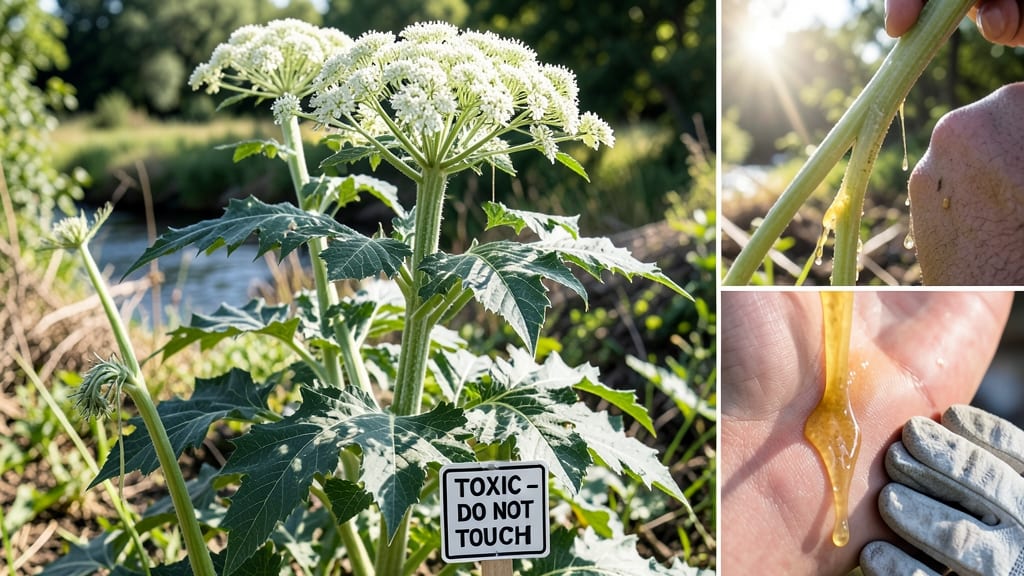
One touch of this poisonous giant hogweed could ruin your summer forever. Its sap causes severe burns that leave scars for years, and its towering stems (up to 14 feet tall) make it easy to brush against accidentally.
I've seen gardeners mistake it for Queen Anne's lace—until the blisters appeared.
This invasive plant thrives in damp areas and along roadsides, but its purple-spotted stems and huge white flower clusters (up to 2.5 feet wide) make it unmistakable once you know what to look for.
The real danger? Sap exposure triggers phytophotodermatitis—burns that worsen in sunlight, sometimes requiring medical treatment.
If you spot it, don't touch it. Cover exposed skin immediately with clothing, wash with soap and water, and avoid sunlight for 48 hours. For removal, call your local extension office—they'll guide you on safe disposal or reporting protocols. Never burn or compost it.
Prevention is key: wear long sleeves when hiking near waterways, and teach kids to never touch unknown plants. Authorities like the USDA and Poison Control confirm this—giant hogweed isn't just dangerous, it's a public safety issue. Stay alert, and keep your garden (and skin) safe.
📚 In This Guide
- What you need
- Instructions
- Tips and common mistakes
- Wrapping up and next steps
What you need
- ● Heavy-duty gloves (nitrile or latex, 12–18 mil thickness) – 2–3 pairs (replace if contaminated).
- ● Long-sleeved shirts and pants – Made of tightly woven fabric (no synthetic blends).
- ● Closed-toe shoes or boots – Waterproof and ankle-high for stability.
- ● Safety goggles – ANSI-rated for eye protection.
- ● Face shield or mask (N95 or better) – To avoid inhaling sap particles.
- ● Pruners or loppers – Heavy-duty, 20–24" reach (for thick stems).
- ● Shovel or mattock – Sturdy, 12–18" blade for root extraction.
- ● Plastic bags or heavy-duty trash bags – 20–30 gallon capacity (for disposal).
- ○ Disposable coveralls – Optional but recommended for full-body protection.
- ● First-aid kit – Include sterile saline solution, antibiotic ointment, and burn gel.
- ● Vinegar (5% acetic acid) or bleach solution – 1:10 dilution for cleaning tools/sap exposure.
- ● Giant hogweed identification guide (app or printed) – For double-checking before removal.
- ● GPS or mapping tool – To mark infested areas and track regrowth.
- ● Spray bottle with soapy water – For neutralizing sap on skin/clothing immediately.
- ● Local herbicide (if permitted) – Check regulations; glyphosate may be effective but use cautiously.
How to identify and avoid giant hogweed safely
This aggressive plant can cause severe burns—here’s how to recognize it before it recognizes you.
Learn the Distinctive Physical Characteristics
Giant hogweed (Heracleum mantegazzianum) grows 6-14 feet tall with purple-spotted stems that are 2-4 inches thick at the base. The stems have hairy, downward-pointing bristles and are hollow when cut. This plant’s size alone should raise suspicion—it dwarfs most garden plants.
Look for large, coarse, hairy leaves that grow up to 5 feet long and 3 feet wide. The leaves are deeply lobed, resembling a giant version of cow parsley or Queen Anne’s lace. The key identifier is the purple splotches on the stems—these are unique to giant hogweed and distinguish it from harmless look-alikes.
Examine the Flower Clusters for Confirmation
In late spring to early summer, giant hogweed produces flat-topped clusters of small white flowers, each 6-12 inches wide. These flower umbrellas resemble Queen Anne’s lace but are much larger and flatter. The stems supporting these flowers are also deeply grooved and covered in the same purple splotches.
Here’s the thing—never touch the flowers. Even brushing against them can trigger a severe reaction. If you see these clusters in your area, note the location and avoid the vicinity until you’ve confirmed the plant’s identity with a local extension office or poison control.
Check for Seed Heads and Root Systems
After flowering, giant hogweed develops large, round seed heads that resemble dill or Queen Anne’s lace but are denser and more robust. These seed heads can produce up to 50,000 seeds per plant, which spread easily via water, wind, and human activity. If you spot these, assume the plant is invasive and take precautions.
The roots are thick, white, and fleshy, growing 3-5 feet deep. They’re often mistaken for edible roots, but ingesting any part of this plant is dangerous. If you’re unsure, dig a small section of the root to inspect—never pull the entire plant yourself without protective gear.
Use Safe Identification Tools and Resources
Download the iNaturalist or EDDMapS apps to cross-reference your findings with verified sightings. These tools allow you to upload photos for expert confirmation. I always double-check with my local Cooperative Extension Service—they provide free identification help and guidance on reporting invasive species.
If you’re in a rural or wooded area, bring a handheld magnifying glass to inspect stems and leaves closely. Look for the purple spots, hairy stems, and deep grooves—these are non-negotiable markers. When in doubt, assume it’s giant hogweed and keep your distance.
Report and Contain Suspected Plants Safely
If you confirm giant hogweed in your area, do not attempt to remove it yourself. Contact your local agricultural extension office, park department, or invasive species hotline for professional removal. They’ll use approved herbicides or mechanical removal to prevent seed spread.
While waiting for authorities, post signs to warn others and avoid disturbing the area. Even dead plants can cause reactions, so never burn or compost suspected giant hogweed. If you must handle it, wear long sleeves, gloves, and eye protection—and still, minimize skin exposure.
Tips & tricks for identifying giant hogweed safely
Recognizing this dangerous plant isn't just about avoiding burns—it's about protecting your community. Here's how to spot it with confidence and avoid costly mistakes.
Visual Comparison is Key: When examining stems in Step 1, compare them side-by-side with harmless plants like Queen Anne's lace. The purple splotches on giant hogweed stems are your most reliable identifier—these spots appear as irregular, dark purple patches that cover 20-30% of the stem surface. I've seen many people mistake cow parsnip for hogweed, but cow parsnip lacks these distinctive purple markings entirely.
Seasonal Timing Matters: In Step 2, remember that flower clusters only appear between late May and early July. If you spot white flower umbrellas outside this window, it's almost certainly not giant hogweed. The plant's flowering period is brief, so timing your identification efforts during these months maximizes your chances of catching it before it spreads seeds.
Root Inspection Safety: When checking roots in Step 3, never dig more than 6 inches deep yourself. The roots extend 3-5 feet underground, and disturbing them can release toxic sap. Instead, use a long-handled tool or ask professionals to expose just enough root to identify the characteristic thick, white, fleshy texture. I've seen too many well-meaning gardeners accidentally expose themselves to dangerous sap while trying to dig up the entire plant.
Documentation Strategy: For Step 4, take photos from multiple angles—close-ups of stems showing purple spots, wide shots of the plant in its environment, and details of the leaf structure. Include a reference object (like a person or measuring tape) to show scale. I've used these photo sets to confirm identifications with local extension offices, and they've saved me from making costly misidentifications in the past.
Pro Tips for Giant Hogweed Poisonous
- Recognizing this dangerous plant isn't just about avoiding burns—it's about protecting your community.
- Visual Comparison is Key: When examining stems in Step 1, compare them side-by-side with harmless plants like Queen Anne's lace.
- Seasonal Timing Matters: In Step 2, remember that flower clusters only appear between late May and early July.
Frequently asked questions
Got questions about giant hogweed’s dangers and how to stay safe?
Here are answers to the most common concerns—so you can spot, avoid, and handle this toxic plant like a pro.
How can I tell giant hogweed apart from harmless plants like cow parsley?
Giant hogweed (Heracleum mantegazzianum) has massive, hairy stems (up to 5 inches thick!) and giant leaves (3–5 ft wide) with jagged edges. Its umbel flower clusters (white, 2–4 ft wide) resemble Queen Anne’s lace but are far larger. Cow parsley is slimmer, smaller, and lacks the purple-spotted stems—a key clue for ID.
What happens if I touch giant hogweed?
Exposure triggers phytophotodermatitis—a severe skin reaction from furocoumarins (toxic compounds). Within 48 hours, you’ll get blisters, redness, and peeling (like a bad sunburn). Avoid sunlight for 48 hours post-contact to prevent worsening. Seek medical help if blisters cover large areas or ooze.
Why does giant hogweed cause reactions only in sunlight?
The plant’s furocoumarins become activated by UV light, turning into chemicals that bind to your skin and damage cells. That’s why reactions worsen in sunlight—even indirect exposure can trigger blisters. Wear long sleeves/pants and sunscreen if near suspect plants to minimize risk.
Can I safely remove giant hogweed from my yard?
No—never pull or cut it by hand!
Wear gloves, long sleeves, and goggles, then use tools (not your hands) to dig up roots. Bag and dispose of all plant parts (including stems/leaves) in sealed trash—never compost. Check local laws first; some areas require professional removal due to its invasive nature.
Are there non-toxic alternatives to giant hogweed for privacy screens?
Yes! Try these safe, fast-growing options:
- Arborvitae or Thuja – Evergreen, deer-resistant, and non-toxic.
- Russian olive – Drought-tolerant and dense.
- Bamboo (clumping varieties) – Fast-growing but contain roots.
- Hydrangeas or elderberry – Ornamental and non-invasive.
Always research local climate compatibility before planting!
Wrapping up and next steps
Giant hogweed is a dangerous plant that demands respect—not fear—but awareness. By recognizing its towering stems, deep purple spots, and sap’s skin-sensitizing effects, you can protect yourself and others. Stay vigilant, share this knowledge, and always err on the side of caution.
Your next step? Download our free plant ID guide or report sightings to local authorities to help keep communities safe. 🌿 Take action today!