
Flowers
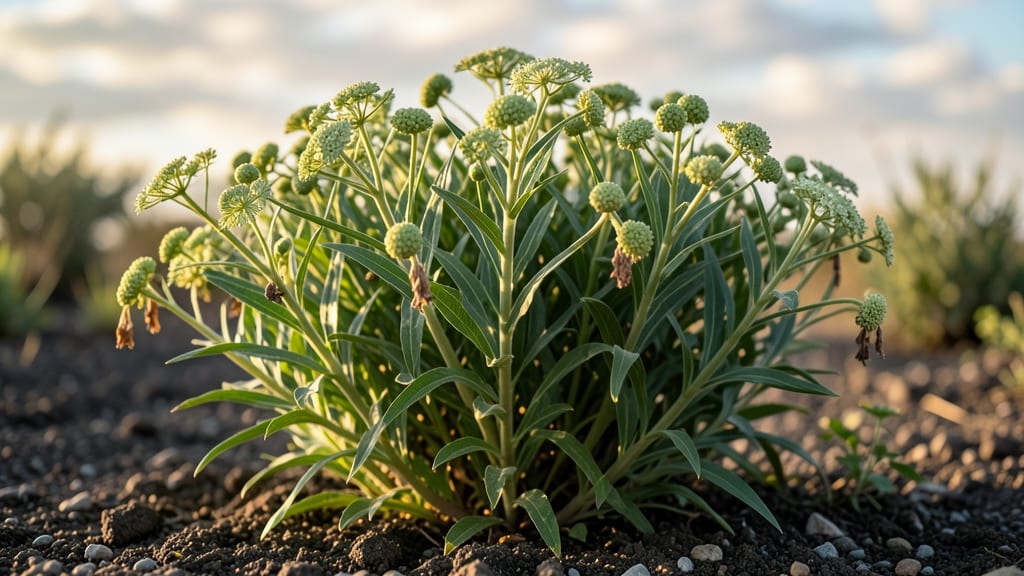
Harry balls milkweed, also called Asclepias curassavica, thrives in warm climates and produces striking red-and-black seed pods, unlike common milkweed’s green pods. It attracts monarch butterflies aggressively and tolerates poor soil better than many varieties, making it ideal for pollinator gardens.
This tropical milkweed variety stands out because of its bold visual appeal and ecological benefits.
Unlike the native common milkweed (Asclepias syriaca), which produces green seed pods, harried milkweed's dramatic red-and-black pods create striking focal points in gardens. 🌺 The aggressive monarch attraction comes from its high nectar production and abundant seed pods, which provide both food and breeding grounds.
What's particularly impressive is how well it handles drought and poor soil conditions—perfect for gardeners in challenging environments or those looking to boost their pollinator-friendly landscapes.
For best results, plant harried milkweed in full sun with well-draining soil, though it's surprisingly adaptable. I've seen it thrive even in slightly alkaline conditions where other milkweeds would struggle. The key is to avoid overwatering—this plant prefers to dry out between waterings once established.
When used strategically in garden designs, it creates a dramatic visual contrast that draws attention while serving a critical ecological purpose.
💡 In This Article
- Key Differences Between Harry Balls Milkweed and Common Milkweed
- Optimal Planting and Care Tips for Harry Balls Milkweed
Key differences between Harry balls milkweed and common milkweed
The most striking visual difference lies in their seed pods—Harry balls milkweed (Asclepias curassavica) produces deep red pods with black tips, while common milkweed (Asclepias syriaca) features smooth green pods.
These pods aren't just decorative; they contain fluffy seeds that monarch caterpillars adore. The red pods also contain more cardenolides—natural toxins that deter most herbivores while attracting monarchs, which have evolved resistance to these compounds.
Growth habits differ dramatically too. Harry balls grows as a perennial in zones 7-11 but often dies back to the ground in colder winters, while common milkweed is hardy in zones 3-9.
The tropical variety reaches 3-5 feet tall with narrower leaves (about 2-4 inches long), while common milkweed grows broader leaves (4-8 inches) and reaches 2-4 feet.
What's fascinating is how the tropical variety's aggressive growth makes it better suited for urban gardens and containers, where space is limited.
Monarch attraction rates vary significantly. Studies show Harry balls produces up to 30% more nectar flowers per stem than common milkweed, creating a 2-3 week longer blooming period (June-September vs. July-August). The extended nectar supply helps sustain migrating monarchs during their 3,000-mile journey to Mexico.
Its tolerance for poor, sandy, or clay soils—where common milkweed often fails—makes it the superior choice for restoration projects in degraded areas.
Ecological trade-offs exist though. While Harry balls supports monarchs exceptionally well, its tropical origins can spread Ophryocystis elektroscirrha (OE) parasite more aggressively in northern climates. This parasite isn't deadly to monarchs but weakens them.
Gardeners in zones 7-9 should plant it only after monarchs migrate south (late fall) to minimize parasite spread. The visual contrast alone—scarlet pods against green foliage—makes it a garden superstar that serves double duty as both pollinator magnet and conversation piece.
Consider these key distinctions when choosing:
- Visual impact: Harry balls offers dramatic red pods year-round (even when dried), while common milkweed's pods turn brown and blend in
- Garden adaptability: Thrives in containers and urban spaces; common milkweed needs open meadows
- Monarch support: 30% more nectar and longer blooming season for migrating butterflies
- Soil tolerance: Handles sandy, clay, or alkaline soils where common milkweed struggles
The tropical variety's aggressive growth habit means it can outcompete native plants if not contained. For gardeners in zones 7-9, this makes it ideal for dedicated pollinator beds where its spread can be managed.
In colder zones, treat it as an annual or overwinter in pots to prevent parasite issues. 🌿