
Blooming
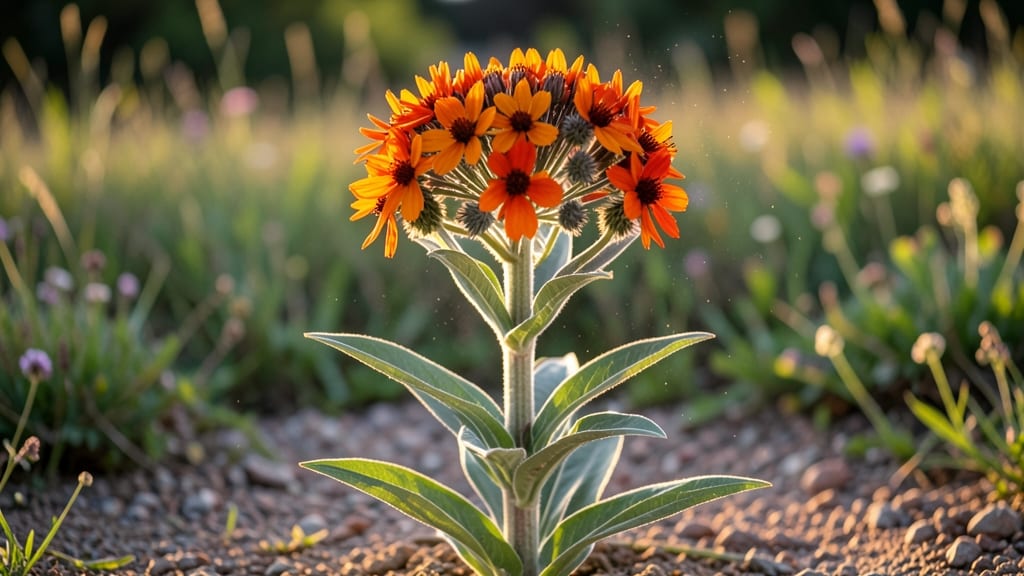
Butterfly weed blooms for 6 to 8 weeks during its prime season, usually spanning from mid-summer through early fall (July to September), showcasing its striking orange blossoms that draw in pollinators. Trimming faded flowers can push that vibrant display another 2-3 weeks.
This native perennial packs a punch with its long-lasting blooms, making it a garden favorite. 🌸 The flowering window varies slightly depending on your climate zone—warmer regions might see earlier blooms in June, while cooler areas could extend into October.
What's fascinating is how the flowers start as tight buds, burst into brilliant orange, and then gradually fade into seed pods, creating a natural progression that keeps gardens lively for months.
For gardeners eager to maximize their butterfly weed's display, the key is consistent care. Proper sunlight (at least 6 hours daily) and well-drained soil are non-negotiable—these plants hate soggy roots.
I've found that mulching around the base helps retain moisture while preventing weeds, which can compete for nutrients that might otherwise fuel longer blooms.
💡 In This Article
- Butterfly Weed Bloom Cycle: Stages and Color Evolution
- Extending Butterfly Weed Blooms: Pruning and Care Tips
Butterfly weed bloom cycle: stages and color evolution
The butterfly weed's 6-8 week bloom cycle unfolds in three distinct phases, each marked by dramatic color shifts and structural changes. It begins with the budding stage, where tight, green buds form along the stems—these contain the plant's energy reserves that will fuel the explosive orange display.
The buds typically emerge in late June to early July in most U.S. growing zones (5-9), with warmer climates seeing earlier blooms as soon as May.
During the peak flowering phase, the buds burst open into those iconic bright orange flowers that resemble butterfly wings—hence the name. Each flower cluster can contain 10-20 individual blooms, and the plant may produce 50-100 flowers per stem under ideal conditions.
The color intensity peaks when daytime temperatures hover between 75-85°F and nights stay above 60°F. Interestingly, the flowers' orange hue comes from carotenoid pigments that reflect sunlight, helping attract pollinators like monarch butterflies while also protecting the plant from UV damage.
The final phase involves the color transformation as blooms fade and seed pods develop. After 3-5 weeks of peak flowering, the petals begin to curl and brown, revealing flat, seed-filled pods that turn from green to tan.
These pods contain tufted seeds that catch the wind for natural dispersal—a process that signals the plant's shift from reproduction to seed propagation. The entire cycle demonstrates butterfly weed's remarkable adaptability, as it can extend its bloom window by 2-4 weeks in cooler climates where summer temperatures remain moderate.
Environmental factors play crucial roles in this cycle. Full sun exposure (6+ hours daily) is essential—plants receiving less than 4 hours of sunlight may produce 30-50% fewer blooms and enter dormancy earlier.
Soil moisture also matters: while butterfly weed tolerates drought once established, consistent watering during bud formation (about 1 inch per week) helps ensure vibrant color development.
The plant's deep taproot system stores water, allowing it to rebound quickly after dry spells, but overwatering can lead to root rot and premature bloom decline.
What many gardeners overlook is how the plant's foliage color changes alongside the flowers. New growth emerges in deep green hues, while mature leaves develop a blue-green cast due to waxy coatings that reduce water loss.
When blooms fade, the stems often develop a reddish tint before producing seed pods, creating a subtle but striking visual progression that extends the plant's ornamental value well beyond its peak flowering period.
For those growing butterfly weed in containers, the bloom cycle may be slightly shorter—typically 4-6 weeks—due to limited root space. However, container plants often rebloom more vigorously the following year if given proper winter care.
The key difference lies in how container-grown plants experience more temperature fluctuations and drier soil conditions, which can accelerate the fading phase.