
Tools
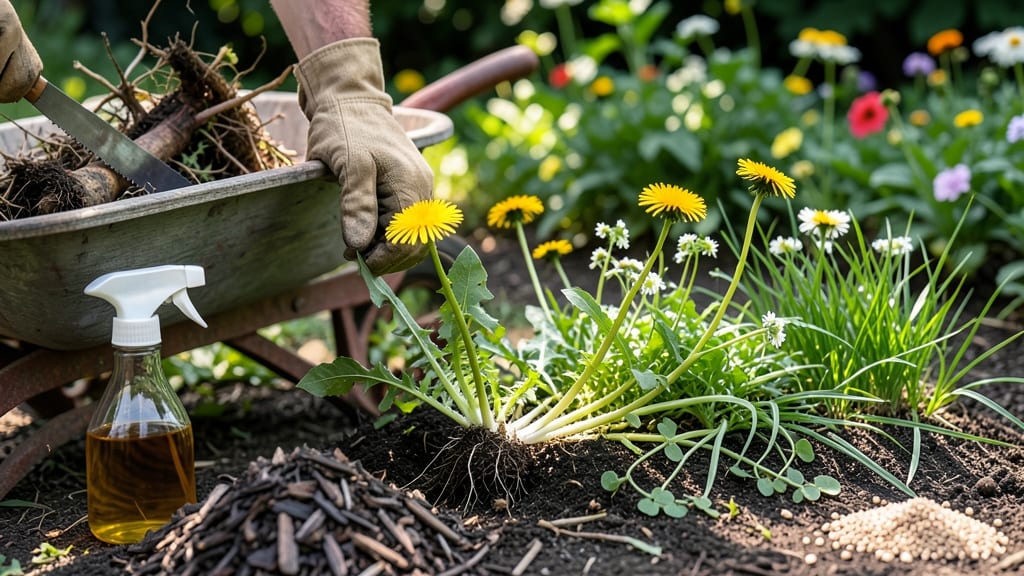
How to get weeds out of your garden without wrecking your soil or your back? 🌱 I’ve wrestled with stubborn dandelions and creeping vines for years—and I’ve cracked the code on removing them without damaging your garden’s health. The key is timing, the right tools, and a few sneaky tricks that make weeds surrender without a fight.
You don’t need expensive tools or harsh chemicals. A sturdy pair of gloves, a long-handled weeder, and a sharp hoe are your best allies. Add a bucket for disposal (or compost, if the weeds are young and seed-free), and you’re ready to reclaim your garden in under an hour.
The secret? Pull weeds when the soil is moist—roots come out easier, and you avoid disturbing the soil too much.
By the end of the session, your garden beds will look tidier, and you’ll notice fewer weeds popping up later. The soil stays intact, beneficial microbes thrive, and you skip the backbreaking digging. Plus, your plants will finally have the space—and nutrients—they’ve been craving.
Works for vegetable gardens, flower beds, and even cracks in the patio. Here’s how to make it happen without breaking a sweat—or your soil’s structure.
📚 In This Guide
- What you need
- Instructions
- Tips and common mistakes
- Wrapping up and next steps
What you need
- ● Garden gloves (1 pair) – Choose breathable, durable ones (nitrile-coated for grip).
- ● Hand weeder or dandelion digger (1) – Look for a sturdy, ergonomic tool with a forked tip (e.g., Fiskars or Gorilla Grip).
- ● Hoe or stirrup hoe (1) – A 5–7-inch blade works best for shallow cuts. Japanese-style hoes are ideal for precision.
- ○ Garden fork or broadfork (optional but helpful) – For loosening compacted soil without digging deep.
- ● Bucket or wheelbarrow (1) – To collect weeds and debris (5+ gallons capacity).
- ● Sharp scissors or pruners (1 pair) – For trimming stubborn weed roots at the base.
- ● Kneeling pad or cushion – Protect your knees (memory foam or gel-infused pads last longer).
- ● Compost or mulch (2–3 inches) – Straw, wood chips, or shredded leaves smother weeds while enriching soil.
- ● Vinegar (5% acetic acid) (1 gallon) – For spot-treatment (mix 1 part vinegar + 1 part water in a spray bottle). ⚠️ Avoid spraying near desired plants!
- ● Boiling water (kettle or large pot) – Pour directly on weed roots for instant kill (great for sidewalks or cracks).
- ○ Corn gluten meal (optional) – Pre-emergent herbicide (apply 20 lbs per 100 sq ft in early spring).
- ● Cardboard or newspaper (for sheet mulching) – Use unbleached, pesticide-free layers (2–3 sheets thick).
- ● Timing matters: Pull weeds after rain or watering—soil is softer, and roots are easier to remove.
- ● Sunny days are best: Work when weeds are dry to avoid muddy hands and soil.
- ● Dress for success: Wear long sleeves and closed-toe shoes to avoid skin irritation from sap or thorns.
Step-by-Step guide to removing weeds without digging
Here’s my go-to method for clearing weeds while keeping soil structure intact and healthy.
🌱 Step 1: Choose the Right Time and Conditions
Weeds pull easiest when the soil is moist but not soggy—after a light rain or first thing in the morning when dew is still on the leaves. Avoid working when the ground is bone-dry or compacted; you’ll end up tearing roots instead of removing them cleanly. I test soil moisture by squeezing a handful—if it holds together but crumbles when poked, it’s perfect.
Wear gloves (trust me, you’ll thank me later) and grab a sturdy hand trowel or weeding knife. These tools give you leverage to pry weeds out without straining your back. I like to work in small sections—think of it like tackling a puzzle instead of a battlefield.
💧 Step 2: Loosen Soil Around Weeds
Insert the trowel’s blade about ½ inch deep at the base of each weed, then wiggle it gently to create a narrow trench. This breaks the weed’s grip on the soil without disturbing nearby plants. The goal is to sever the root just below the soil line—you’ll hear a faint snap when it’s done right.
For stubborn weeds like dandelions, I use a fork to loosen the soil first. Drive the tines in around the weed in a circular motion, then rock it back and forth to free the roots. This method works best on bare soil patches where weeds have taken over.
✂️ Step 3: Pull Weeds Cleanly by Hand
Grasp the weed at its base, just above the soil line, and pull upward with steady pressure. If the root breaks off, dig deeper to remove the remaining piece—any fragment left behind will regrow. I like to twist slightly as I pull; this helps dislodge the root without tugging on surrounding plants.
For broadleaf weeds like chickweed or clover, I snap off the leaves at the soil surface and let them dry out. The plant will weaken and die without its foliage. Avoid yanking weeds—you’ll risk uprooting desirable plants or leaving behind weed fragments that sprout again.
☀️ Step 4: Prevent Regrowth with Mulch or Vinegar
After clearing a section, cover the soil with a thick layer of mulch—2-3 inches of straw, wood chips, or grass clippings blocks sunlight and starves weed seeds. I reuse my kitchen scraps (like coffee grounds) for small patches; they decompose quickly and add nutrients while suppressing weeds.
For stubborn weeds like creeping Charlie, spot-treat with a 10% vinegar solution (equal parts white vinegar and water) in a spray bottle. Apply on a sunny day—vinegar burns leaves on contact, but it won’t harm established plants if used carefully. Always test a small area first!
🪴 Step 5: Maintain Weed-Free Soil Long-Term
Water your garden regularly—healthy plants outcompete weeds for space and nutrients. I water deeply 2-3 times per week during dry spells, encouraging deep root growth that crowds out weeds naturally. A thick layer of mulch also retains moisture and keeps soil cool.
Inspect your garden weekly for new weeds, especially after rain or wind storms, which often bring in fresh seeds. Pull them early before they establish roots. Over time, your soil will stay weed-free with minimal effort—just stay consistent!
Tips & tricks for perfect weed removal without digging
These simple strategies will help you tackle weeds efficiently while keeping your garden soil healthy and intact.
Timing is Everything: The early morning after dew has formed is the absolute best time to pull weeds. The moisture makes roots easier to extract, and the cool temperatures prevent soil from drying out or compacting. I've learned the hard way—trying to pull weeds in the midday heat often leaves stubborn fragments behind that just regrow.
Tool Selection Matters: A sturdy hand trowel or weeding knife is your best friend for Step 2, but don't overlook a garden fork for stubborn weeds. The fork's tines create better leverage for dandelions and deep-rooted weeds. For large garden beds, consider a long-handled weeding tool—it saves your back while giving you better control. I keep both in my gardening bucket for quick access.
Root Removal Technique: When you hear that satisfying snap in Step 2, you know you've severed the root just right. For weeds that break off, use your trowel to dig deeper—even a tiny root fragment can sprout into a new weed. I've found that twisting slightly as you pull in Step 3 helps dislodge the entire root without tugging on nearby plants.
Mulch Application: That 2-3 inch layer of mulch in Step 4 isn't just decoration—it's your first line of defense against regrowth. For small garden beds, I spread coffee grounds from my kitchen first, then top with straw. The coffee grounds add nitrogen while the straw blocks sunlight. Just make sure to keep mulch a few inches away from plant stems to prevent rot.
Pro Tips for Get Weeds Out Of Garden
- These simple strategies will help you tackle weeds efficiently while keeping your garden soil healthy and intact.
- Timing is Everything: The early morning after dew has formed is the absolute best time to pull weeds.
- Tool Selection Matters: A sturdy hand trowel or weeding knife is your best friend for Step 2, but don't overlook a garden fork for stubborn weeds.
Frequently asked questions
Got questions about tackling weeds the soil-friendly way? You’re not alone!
Here are answers to the most common concerns—plus a few pro tips to make your garden look (and feel) like a weed-free paradise.
Can I pull weeds when the soil is wet or dry?
Pulling weeds when the soil is moist (after rain or watering) is ideal—it lifts weeds with less resistance and reduces root breakage. Dry soil can make weeds brittle, but you risk leaving fragments behind. Aim for early morning or late afternoon when the ground is damp but not soggy. Pro tip: Water the area the day before for easier extraction!
How often should I check for new weeds?
Weeds grow fast, so check your garden weekly during active growing seasons (spring and summer). Focus on areas with bare soil, cracks in mulch, or edges of plant beds. A quick 10-minute scan can prevent small weeds from becoming unruly giants. Prevention tip: Mulch heavily (3–4 inches) to block sunlight and slow regrowth.
What if pulling weeds doesn’t work—what’s the next step?
If weeds keep returning, try these steps:
- Vinegar spray: Mix 1 gallon white vinegar + 1 cup dish soap + 2 tbsp salt. Spray on weeds (avoid desirable plants—it’s non-selective!).
- Corn gluten meal: Sprinkle this organic pre-emergent on soil to prevent weed seeds from sprouting.
- Hand weeding tools: Use a hula hoe or weeding knife for stubborn roots without digging.
Are there weeds I should keep in my garden?
Yes! Some "weeds" are beneficial:
- Clover: Fixes nitrogen in the soil and attracts pollinators.
- Dandelions: Early spring food for bees and edible greens.
- Chickweed: A natural ground cover that suppresses weeds.
What’s the best tool for weeds with deep roots?
For deep-rooted weeds (like thistles or quackgrass), use:
- Dandelion digger: A fork-like tool that prys roots out cleanly.
- Weeding knife: Slides between roots and soil for precision.
- Garden fork: Loosens compacted soil to expose hidden roots.
Wrapping up and next steps
Removing weeds from your garden doesn’t have to be a battle—with the right tools and techniques, you can reclaim your soil without digging or harsh chemicals. 🌱 From vinegar sprays to natural mulches, these soil-friendly methods keep your plants thriving while minimizing effort.
Remember, consistency is key, but even small steps add up to a weed-free paradise!
Now that you’re armed with knowledge, grab your tools and start small. Try one method this weekend and watch your garden transform! 🌿 For extra inspiration, check out our guide on maintaining a weed-free yard long-term.