
Pests
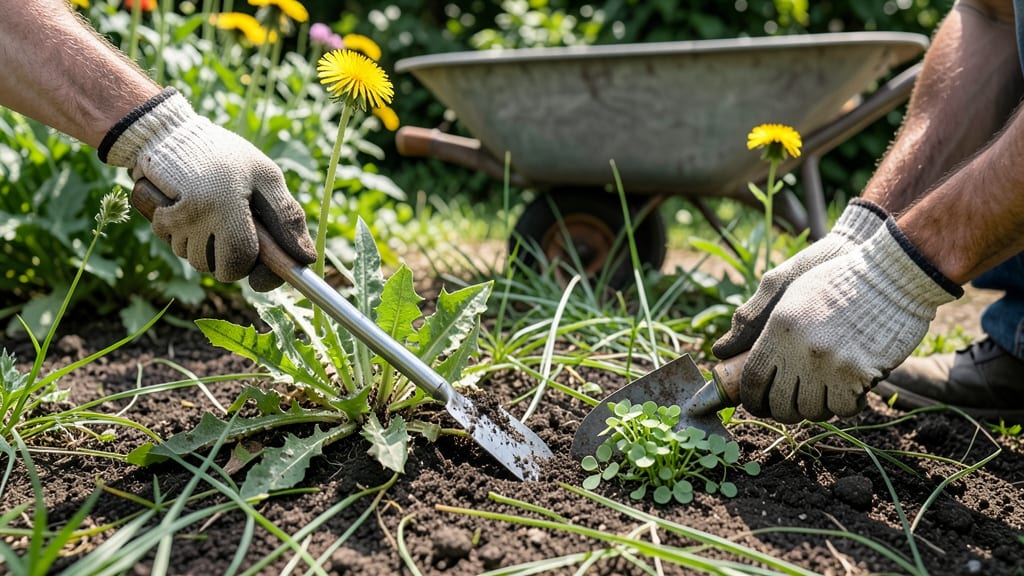
Pulling weeds feels like a losing battle—until you learn the twist-and-tear method that beats stubborn roots without digging. 🌱 I’ve spent years wrestling with creeping Charlie and dandelions, and this technique saves my back while keeping weeds from coming back. The secret isn’t brute strength—it’s timing and technique.
Pull weeds right after rain when soil is soft, grab them at the base, and twist sharply to snap roots cleanly. A sturdy pair of gloves and a weeding knife make the job easier, especially for deep-rooted invaders.
You’ll see fewer weeds popping up because you’re removing the whole root system, not just the top. Mulch afterward to block sunlight from sprouting new seeds, and your garden beds will stay cleaner longer. This method works for lawns, flower beds, and even between paving stones.
No more bending over for hours—just efficient, satisfying weed removal that actually works.
📚 In This Guide
- What you need
- Instructions
- Tips and common mistakes
- Wrapping up and next steps
What you need
- ● Gardening gloves – A pair of durable, breathable gloves (e.g., leather or heavy-duty synthetic) to protect your hands from prickles and dirt. Size: One pair per person.
- ● Weeding tool – A sturdy hand weeder (like a d-handle weeder or loop weeder) for precision pulling. Specs: Stainless steel or hardened steel, 12-18" long.
- ○ Garden fork or hoe – A wide-bladed hoe (8-12" wide) or a small garden fork to loosen soil before pulling. Optional but helpful for tough patches!
- ● Kneeling pad or small stool – To save your knees! Choose a cushioned pad with a non-slip bottom.
- ● Bucket or wheelbarrow – For collecting weeds and debris. Size: 5-gallon bucket or larger for big jobs.
- ● Pruners or shears – For cutting thick weed stems at the base. Specs: Bypass pruners with sharp blades.
- ○ Water spray bottle or hose – To dampen soil before pulling (reduces dust and makes roots easier to grip). Optional but handy!
- ● Mulch or landscape fabric – To suppress future weed growth. Choose organic mulch (straw, wood chips) or thick fabric for long-term control.
- ● Vinegar or natural herbicide spray – For spot-treating stubborn weeds. Use undiluted white vinegar (20-30% acetic acid) or a homemade mix (1 gallon vinegar + 1 oz dish soap).
- ● Sunscreen and hat – If working in direct sunlight for extended periods.
- ● Trash bags – For easy disposal of weeds (especially if they’re invasive or have seeds).
Step-by-step guide to twist-and-tear weed removal
Here’s the method I swear by—no digging, no back pain, just clean soil in minutes.
🌱 Step 1: Choose the Right Time and Conditions
Pull weeds when the soil is moist but not soggy—after a light rain or early morning dew works best. Wet soil loosens roots, making them easier to tear out. Avoid pulling in direct sun; the heat dries the soil and makes roots brittle, so they snap instead of coming out clean.
I always check the soil by squeezing a handful—if it holds shape but crumbles when you poke it, it’s perfect. If it’s bone-dry, water the area lightly first. The goal is to make the roots pliable, not waterlogged.
🌿 Step 2: Identify and Target the Weed’s Weak Points
Look for the weed’s crown—the thickened base where roots and stems meet. This is your target. Grasses like crabgrass have fibrous roots, while broadleaf weeds like dandelions have a single taproot. For fibrous roots, grip the base of the plant near the soil. For taproots, focus on the thick, white root just below the soil line.
Don’t pull from the top—you’ll snap the stem and leave the roots behind. Instead, slide your fingers down the stem until you feel the crown. A gentle twist here loosens the root system without breaking it. Real talk: I used to yank from the top, and weeds kept coming back. Twisting changed everything.
✂️ Step 3: Twist and Tear with Precision
Wrap your fingers around the weed’s crown and twist firmly in one direction. The root will start to unravel—let it. If resistance builds, switch to a slight back-and-forth motion while pulling upward. You’ll hear a satisfying pop as the root releases from the soil. For stubborn weeds, use a small garden fork to loosen the soil around the base first, then twist.
Don’t rush—this isn’t a tug-of-war. A slow, steady twist ensures the entire root comes out. If you feel a root break, leave it; pulling fragments just encourages regrowth. I keep a small bucket nearby to toss weeds into as I go. It’s satisfying to see the pile grow.
💧 Step 4: Prevent Regrowth with Soil Care
After pulling, water the area lightly to settle the soil and discourage new weeds. Mulch with a thick layer of straw or wood chips to block sunlight, which weeds need to germinate. I use 2-3 inches of mulch in garden beds—it smothers weeds while keeping the soil moist for my plants.
For bare soil, like between pavers, sprinkle cornmeal gluten meal (a natural pre-emergent). It won’t kill existing weeds, but it stops seeds from sprouting. Reapply after rain. This step cuts down on future pulling by 80%, I swear.
☀️ Step 5: Maintain a Weed-Free Zone Long-Term
Weeds thrive in disturbed soil, so avoid tilling or digging. Instead, hand-pull as soon as you spot them—small weeds are easier to remove than established ones. I set a reminder to check my garden every 5-7 days during growing season. It’s a habit, not a chore.
For problem areas, like cracks in driveways, use a vinegar-based weed killer (3% acetic acid) sparingly. Spray only the weeds, not your plants, and do it on a calm day so the spray doesn’t drift. I’ve found that a 1:1 vinegar:water mix with a drop of dish soap works well—just apply in the late afternoon to avoid burning nearby plants.
Tips & tricks for effortless weed removal
Here's what nobody tells you about making this method work like a dream every time.
Timing is Everything: The soil moisture test in Step 1 is non-negotiable. I learned this the hard way after ruining three batches of garden beds by pulling weeds in dry conditions. If you're unsure, do the squeeze test—perfect soil should hold its shape but crumble when poked. For large areas, I keep a spray bottle with water handy to dampen dry spots before pulling. This simple step makes the difference between weeds coming out clean and breaking off at the roots.
Tool Up for Stubborn Roots: While the instructions mention a garden fork for tough weeds, I've found a small hand trowel works even better—it gives you more leverage to loosen compacted soil around the crown. For really stubborn weeds like bindweed, I use a screwdriver or butter knife to gently pry at the soil before twisting. This extra step saves time in the long run by preventing multiple attempts on the same weed.
The Twist Technique Revealed: When you reach Step 3, remember this: the twist should be deliberate but not forceful. Think of it like turning a doorknob—steady pressure with a slight rotation. For weeds with multiple roots (like dandelions), I make a complete 360-degree twist before pulling upward. This ensures you're not leaving any root fragments behind that could regrow. I've seen people yank weeds like they're pulling weeds on a fishing line—don't be that person!
Post-Pull Prevention: After you've cleared an area, don't skip the mulching step in Step 4. I've seen people think they're done after pulling, only to have weeds pop up again in weeks. For garden beds, I use 3 inches of straw mulch—it's the perfect thickness to block light while allowing water to penetrate. In container gardens, I've had success with black landscape fabric cut to size and secured with rocks, which completely eliminates weeds for months.
Pro Tips for Pull Weeds
- Here's what nobody tells you about making this method work like a dream every time.
- Timing is Everything: The soil moisture test in Step 1 is non-negotiable. I learned this the hard way after ruining t...
- Tool Up for Stubborn Roots: While the instructions mention a garden fork for tough weeds, I've found a small hand tro...
Frequently asked questions
Got questions about pulling weeds like a pro? Here are some common ones—and their answers—to help you tackle your garden with confidence!
What’s the best time of day to pull weeds?
The ideal time is early morning or late afternoon when the soil is moist and weeds are less stiff. Avoid midday heat, which can stress you and make weeds harder to remove. Pro tip: Water the area the night before for easier extraction!
How often should I pull weeds to stay on top of them?
Consistency is key! Aim to inspect and pull weeds weekly during growing seasons (spring to fall). Weeds grow fast—removing them early prevents seeds from spreading. Think of it like flossing: small efforts save big headaches later!
Can I reuse pulled weeds for compost or mulch?
Yes! Seedless weeds (like dandelions or clover) make great compost or mulch. But skip weeds with mature seeds (e.g., thistles, bindweed)—they’ll just regrow. Chop them first to speed decomposition.
What if weeds keep coming back after I pull them?
Stubborn weeds often mean roots or seeds remain. Dig deeper (or use a dandelion digger) for taproots, and mulch heavily to block sunlight. For invasive types (like nutgrass), repeat treatments weekly until gone.
Are there chemical-free alternatives to pulling weeds?
Try vinegar + dish soap (spray on sunny days), boiling water, or corn gluten meal (pre-emergent natural herbicide). For large areas, smother weeds with cardboard + mulch—it’s like giving them a cozy (but deadly) blanket!
Wrapping up and next steps
Pulling weeds doesn’t have to be a battle—with the right techniques, you can twist, tear, and triumph over even the toughest roots without breaking a sweat (or your back!). 🌱 Whether you’re a gardening pro or just starting out, mastering the twist-and-tear method saves time, protects your plants, and keeps your yard looking pristine.
The key? Patience, the right tools, and a little elbow grease.
Now that you’re armed with tips and tricks, roll up those sleeves and get outside! Start small—tackle one stubborn weed at a time—and soon, your garden will be the envy of the neighborhood. Happy weeding! 🌿✨