
Companion Plants
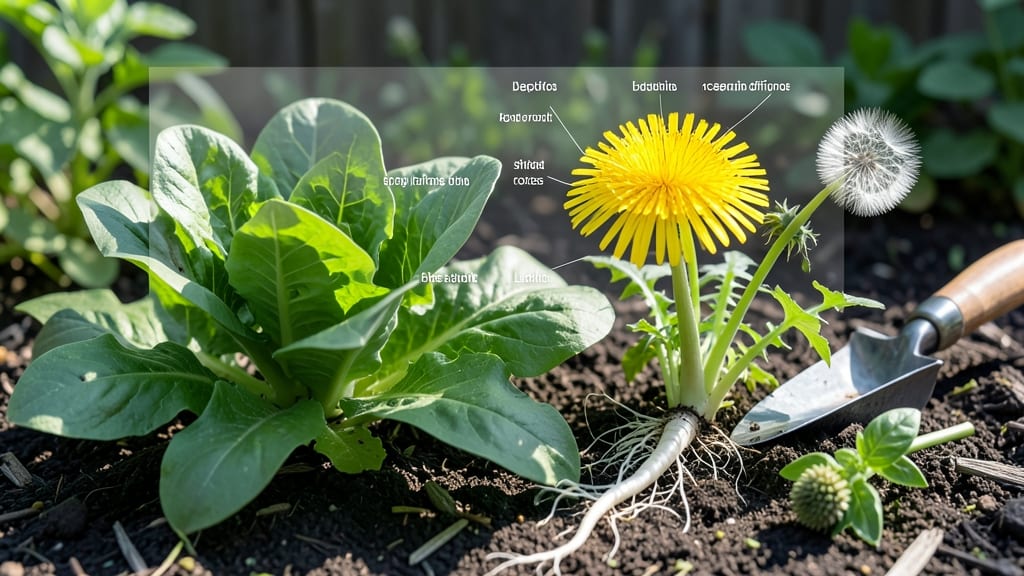
Telling weeds from plants is all about leaf shape, root structure, and where they're growing. 🌱 I used to pull everything in sight until I learned these simple tricks that saved my garden from needless destruction—and kept my veggies thriving.
Weeds often have narrow leaves, grow in clusters, and sprout between cracks, while your plants stand tall with broad leaves and established roots. Dandelions and chickweed are classic offenders, but even their roots reveal their true nature when you gently tug.
You'll spot the difference immediately after a few pulls, and your garden will thank you with fewer interruptions to your tomatoes and peppers. The key is patience—what looks like a weed might be a volunteer plant you actually want. Once you master this, you'll never waste time again.
Here's how to get started with confidence!
📚 In This Guide
- What you need
- Instructions
- Tips and common mistakes
- Wrapping up and next steps
What you need
- ● Garden gloves (1 pair) – Protect your hands from thorns, dirt, and potential irritants. Waterproof or reinforced gloves work best!
- ● Hand trowel or small shovel – For gently digging up plants to inspect roots. A 5-inch stainless steel trowel is ideal.
- ○ Magnifying glass or loupe (optional but handy) – Helps you study leaf veins, textures, and fine details up close.
- ● Notebook and pen – To jot down observations like leaf shape, root structure, and growth patterns.
- ● Ruler or measuring tape – For comparing leaf sizes and spacing. A 6-inch ruler is perfect for most plants.
- ● Field guide or plant identification app (e.g., iNaturalist, PlantNet, or a local gardening guidebook) – Cross-reference your findings with expert resources.
- ● Water spray bottle – Keeps leaves damp for easier inspection of surface textures and veins.
- ● Pruning shears – For safely trimming stems or leaves to study their structure.
- ● Camera or smartphone – Snap photos of leaves, roots, and growth habits for later comparison.
- ● pH testing kit – Weeds and plants often thrive in different soil conditions. A simple soil pH test kit can provide clues.
- ● Garden journal – Track plant behavior over time, like growth speed or seasonal changes.
- ● Companion plant reference list – If you’re gardening, know which plants thrive together and which are weeds to avoid.
How to tell weeds from plants: leaf shape and root tells all
Even seasoned gardeners mix up weeds and plants—here's how to spot the difference instantly.
🌱 Step 1: Examine Leaf Arrangement and Growth Pattern
Weeds often grow in dense clumps or spread aggressively, while most garden plants grow upright with spaced leaves. Look for alternate leaf patterns (one leaf per node) on desirable plants like tomatoes or peppers—weeds like crabgrass have parallel veins and grow in flat rosettes.
Run your thumb along the stem: if leaves grow in pairs or whorls (three or more leaves at a node), it's likely a weed. Garden plants usually have single leaves at each node. Check the base too—weeds often sprout from multiple stems at ground level, while plants have a single main stem.
🌿 Step 2: Study Leaf Shape and Edge Characteristics
Weeds typically have simple, undivided leaves with jagged or serrated edges. Dandelions, for example, have deeply lobed leaves, while most garden plants have smoother, more uniform edges. Compare the leaf to your known plants: if it looks nothing like your tomatoes or basil, it's probably a weed.
Hold the leaf up to light—weed leaves often have a thin, waxy texture and may feel slightly rough. Garden plants usually have thicker, softer leaves. Notice the veins: weeds often have prominent parallel veins running the length of the leaf, while most plants have a central vein with branching veins.
🪴 Step 3: Check the Root System
Gently dig up the plant to examine its roots—this is the most definitive test. Weeds like dandelions have deep, taproots that go straight down, while garden plants often have shallow, fibrous roots spreading outward. If you see a single thick root, it's likely a weed.
Look for secondary roots: weeds often sprout multiple shoots from the same root system, while garden plants have a single main root with smaller feeder roots. If pulling the plant reveals a tangled mess of roots, it's definitely a weed—these plants are designed to spread and take over.
⏰ Step 4: Observe Growth Habits and Flowering Patterns
Weeds grow fast and produce flowers quickly—often within weeks of sprouting. Garden plants usually take longer to flower. If you see tiny white or yellow flowers popping up unexpectedly, it's likely a weed. Pay attention to how fast the plant is growing: weeds grow aggressively, while garden plants grow at a more controlled pace.
Check the plant's height: weeds often grow much taller than surrounding plants. If a plant is suddenly taller than your tomatoes or peppers, it's probably a weed. Also, weeds often have hairy stems or unusual textures—garden plants usually have smoother stems.
💧 Step 5: Test with the Glove Trick
Put on a gardening glove and pull up a suspect plant. Weeds often have weak stems that break easily, leaving the root intact. Garden plants usually pull up with their roots attached. If the plant resists and you're left with a broken stem, it's likely a weed.
If the plant comes up easily with its roots, examine the roots again. Weeds often have a single, thick root that goes deep, while garden plants have multiple roots spreading outward. This simple test helps you quickly identify and remove weeds without damaging your desired plants.
Tips & tricks for mastering weed identification in your garden
Confession: I used to pull up perfectly good tomatoes thinking they were weeds—until I learned these game-changing tricks. Here's how to avoid my mistakes.
Leaf Texture Test: Step 2 mentions holding leaves up to light, but here's the pro move: rub a leaf between your fingers. Weed leaves often feel waxy or slightly rough, while garden plants usually have soft, velvety leaves. This quick tactile check saves time when you're working fast in the garden.
Root System Shortcut: In Step 3, you're told to dig up plants to check roots—but what if you don't want to disturb your garden? Try this: gently tug on the plant. If it pops out easily with a single thick root, it's a weed. Garden plants usually resist more due to their fibrous root network.
Growth Speed Clue: Step 4 highlights that weeds grow aggressively, but here's the real tell: check the plant's height relative to its neighbors. If something is suddenly taller than your established plants within weeks, it's almost certainly a weed. This is especially true for plants that shoot up overnight.
Seasonal Flowering Reminder: Remember that weeds often flower quickly—within weeks of sprouting. Keep an eye out for those tiny white or yellow flowers popping up unexpectedly. This is nature's way of telling you, "This plant is here to spread, not to feed you."
Pro Tips for Tell Weeds From Plants
- Confession: I used to pull up perfectly good tomatoes thinking they were weeds—until I learned these game-changing tricks.
- Leaf Texture Test: Step 2 mentions holding leaves up to light, but here's the pro move: rub a leaf between your fingers.
- Root System Shortcut: In Step 3, you're told to dig up plants to check roots—but what if you don't want to disturb your garden?
Frequently asked questions
Got questions about distinguishing weeds from plants? You’re not alone—even seasoned gardeners sometimes need a refresher! Here are answers to the most common queries, so you can confidently keep what you want and toss what you don’t.
How do I tell if a plant is a weed just by looking at its leaves?
Weeds often have broad, jagged leaves that grow close to the ground, while desirable plants (like herbs or veggies) usually have distinct shapes, textures, or growth patterns. For example, dandelions have toothed leaves and grow in rosettes, while basil leaves are oval and smooth. Check the leaf arrangement—weeds often grow in dense clusters.
Is there a best time of year to identify weeds in my garden?
The early spring (before weeds sprout) or late summer (when growth is active) are ideal times to spot weeds. Young weeds are easier to pull, and you’ll catch them before they crowd out your plants. Pro tip: Inspect after rain—soil moisture helps weeds pop up faster!
What if I accidentally pull a plant I thought was a weed?
Don’t panic! Many "weeds" are edible or harmless—like purslane (a nutrient-rich "weed") or clover (great for soil health). If you’re unsure, transplant it to a pot and research it later. Common garden plants (like mint or comfrey) often get mistaken for weeds but are highly beneficial!
Are there natural ways to prevent weeds without chemicals?
Try mulching (with straw or wood chips), hand-pulling (best after rain), or boiling water for stubborn weeds. Pro tip: Plant dense ground covers (like creeping thyme) to block sunlight weeds need to grow.
What should I do if weeds keep coming back in the same spot?
Persistent weeds often mean rich soil or disturbed ground. Improve soil health with compost, cover crops (like clover), or deep tilling to disrupt weed roots. If the area is high-traffic (like a path), consider landscape fabric or gravel mulch for long-term control.
Wrapping up and next steps
Mastering the art of distinguishing weeds from plants is all about observing leaf shapes, root structures, and growth habits—and now, you’ve got the know-how! 🌱 With practice, you’ll spot the differences in no time, keeping your garden thriving and your lawn looking its best.
Ready to put your skills to the test?
Your next step? Grab your gardening gloves and head outside—identify that mystery plant lurking in your yard today! Need a refresher? Bookmark this guide and revisit it whenever you’re unsure. Happy gardening!