
Neem Oil
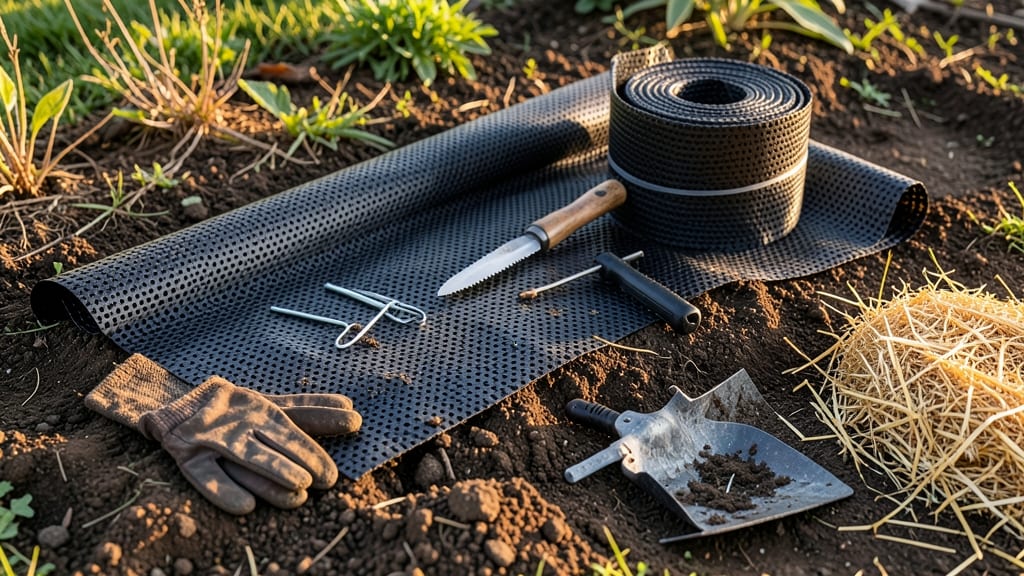
How to use weed block fabric transforms your garden from a battleground to a peaceful plot. 🌱 The moment I laid down my first strip, I noticed how it instantly tamed the aggressive creeping Charlie that had taken over my yard—no more pulling weeds by the fistful. This simple fabric creates a physical barrier that stops invasive roots cold while still letting water and air reach your plants.
You’ll need just a few supplies: the weed block itself (choose 3-ounce fabric for heavy-duty use), landscape fabric staples or spikes, and a sharp utility knife for cutting. The process is straightforward—lay the fabric down before planting, overlap edges by 6 inches, and secure it tightly to prevent gaps.
For vegetable gardens, you’ll see fewer weeds and healthier plants almost immediately.
What you’ll gain is a garden that stays lush and productive with minimal weeding. The fabric breaks down over time, adding organic matter to the soil, and it works just as well in flower beds as it does in vegetable plots.
I’ve used it under mulch, around trees, and even in raised beds—it’s that versatile.
Here’s the secret: don’t skip the overlap or you’ll create weak spots where weeds can sneak through. And if you’re installing it in an existing garden, pull weeds first—this fabric works best when the battlefield is clear. Ready to reclaim your garden?
📚 In This Guide
- What you need
- Instructions
- Tips and common mistakes
- Wrapping up and next steps
What you need
- ● Weed block fabric: Choose a high-quality, UV-stabilized fabric (e.g., landscape fabric or geotextile fabric) with a weight of 3–6 oz per square yard. Measure your project area and buy 10–20% extra for overlaps and mistakes.
- ● Shovel or spade: A sturdy flat-edged shovel (18–24 inches wide) for digging trenches.
- ● Staple gun (landscape-grade):strong> With 1-inch galvanized staples to secure the fabric.
- ● Measuring tape & string: For marking straight lines and ensuring proper spacing.
- ○ Garden edging (optional but helpful): Plastic, metal, or stone edging to keep fabric in place.
- ● Gloves & knee pads: Because gardening is hard work! 😉
- ● Landscape fabric staples or U-shaped pins: For extra hold in windy areas.
- ● Mulch (straw, wood chips, or gravel): To cover the fabric and block light.
- ● Ground cloth or cardboard: If installing over grass or weeds to prevent regrowth.
- ● Spray adhesive or fabric glue: For sealing seams if using multiple pieces.
Step-by-Step instructions for using weed block fabric
Here's how to install weed block fabric like a pro—no more battling weeds or invasive roots.
🪴 Step 1: Choose the Right Location and Prepare the Soil
Start by marking your planting area with stakes and string to visualize the layout. Weed block fabric works best in areas where you want to control weeds permanently, like under mulch or around shrubs. Clear all existing vegetation, including roots, from the space—even small weeds will poke through the fabric over time.
Loosen the top 6-8 inches of soil with a shovel or garden fork to create a soft bed for the fabric. The goal is to make it easy to tuck the edges later. If your soil is rocky or uneven, smooth it out now. Uneven surfaces will cause the fabric to shift, leaving gaps where weeds can grow.
🌱 Step 2: Lay the Weed Block Fabric Evenly
Unroll the weed block fabric over the prepared area, allowing it to extend 6-12 inches beyond the edges of your planting zone. This extra fabric will help prevent weeds from creeping in along the edges. Overlap seams by at least 6 inches if you're using multiple pieces, and secure them with landscape staples or heavy-duty staples designed for outdoor use.
Smooth out any wrinkles or bubbles in the fabric—these can create pockets where weeds or water can collect. If the fabric feels stiff, gently stretch it to relax the material before tucking it into the soil. This ensures it lies flat and doesn’t shift over time. Press it firmly into the soil along the edges to create a barrier that weeds can’t penetrate.
💧 Step 3: Secure the Edges and Add Mulch
Fold the excess fabric from the edges downward into the soil** by at least 4-6 inches. This buried edge acts as an extra barrier against weeds trying to sneak underneath. Use a shovel or your hands to press the folded fabric firmly into the soil, eliminating any air pockets that could let weeds through.
Once the edges are secured, cover the entire fabric with a 2-4 inch layer of mulch. Organic mulch like wood chips or straw works best because it breaks down over time, adding nutrients to the soil. Inorganic mulch, such as gravel or rocks, also works but won’t enrich the soil. The mulch will hold the fabric in place and prevent sunlight from reaching any weeds that might try to grow through.
✂️ Step 4: Plant and Maintain Your Barrier
Cut X-shaped slits in the weed block fabric where you plan to plant. Make the slits just large enough to accommodate the root balls of your plants—no bigger than necessary. This minimizes the fabric’s exposure to weeds. Gently fold back the fabric flaps and place your plants into the holes, then tuck the fabric back around the roots and press the soil firmly in place.
After planting, water the area thoroughly to settle the soil and help the plants establish roots. Over time, check the fabric occasionally for any gaps or shifts caused by soil settling or erosion. If you notice weeds poking through, simply pull them out immediately—prevention is easier than dealing with established weeds later.
Tips & tricks for perfect weed block fabric installation
These practical tips will help you create a weed-proof barrier that lasts for years—no more frustrating weed invasions.
Soil Prep Secret: Before laying the fabric in Step 1, consider adding a thin layer of coarse sand to the loosened soil. This creates a smoother surface for the fabric to lie flat against, preventing those pesky wrinkles that can trap weeds. I've found that smoothing the soil with a rake after loosening it makes all the difference—it's like giving your fabric a perfect foundation to work with.
Overlap Strategy: When working with multiple pieces in Step 2, overlap seams by at least 6 inches, but I recommend going up to 12 inches for extra security, especially in high-traffic garden areas. This creates a double barrier that weeds can't penetrate. Use heavy-duty staples every 12-18 inches along the seams to prevent shifting over time—think of it like sewing a strong seam in fabric.
Edge Burial Technique: In Step 3, don't just fold the edges down—press them firmly into the soil with your hands or a shovel. The deeper you can get that buried edge (up to 6 inches), the better. I've seen weeds try to sneak through when edges weren't properly secured. For extra protection, consider adding a small trench along the buried edge before pressing the soil back in.
Mulch Choice Matters: While organic mulch is ideal, if you choose inorganic mulch like gravel in Step 3, make sure it's at least 3 inches thick to block sunlight effectively. I've noticed that thinner layers can still allow some light through, which encourages weed seeds to germinate. For best results, combine organic mulch with inorganic options around plant stems where weeds are most likely to appear.
Pro Tips for Use Weed Block Fabric
- These practical tips will help you create a weed-proof barrier that lasts for years—no more frustrating weed invasions.
- Soil Prep Secret: Before laying the fabric in Step 1, consider adding a thin layer of coarse sand to the loosened soi...
- Overlap Strategy: When working with multiple pieces in Step 2, overlap seams by at least 6 inches, but I recommend go...
Frequently asked questions
Got questions about using weed block fabric? You’re not alone! Here are some of the most common concerns—and their straightforward answers—to help you get the most out of your root barrier.
How deep should I bury weed block fabric to stop weeds effectively?
For best results, bury the fabric 6–12 inches deep along the edges of your garden beds or pathways. This depth blocks roots from spreading horizontally while still allowing water and air to penetrate. If you’re dealing with deep-rooted weeds like bindweed, extend it to 18 inches.
Can I install weed block fabric in existing gardens, or do I need to start fresh?
You can install it in existing gardens, but it’s easier if you clear the area first. Remove weeds, loosen the soil, and lay the fabric over the roots before adding mulch or soil. For established weeds, cut them at the base and smother them with a layer of cardboard or landscape fabric before adding the weed block.
Is weed block fabric reusable, or should I replace it after one season?
Weed block fabric is long-lasting and reusable—it won’t degrade like mulch. However, if it gets torn or damaged, patch it with duct tape or overlap a new piece. Over time, you might need to refresh mulch layers above it, but the fabric itself can last 5–10+ years with proper care.
What’s the difference between weed block fabric and landscape fabric?
Weed block fabric is thicker and more durable (usually 3–5mm), designed to block roots, while landscape fabric (1–3mm) mainly stops weeds from sprouting. Weed block is ideal for garden edges, while landscape fabric works better for ground cover under mulch or in pathways.
My weeds are still growing through the fabric—what am I doing wrong?
If weeds persist, check these fixes:
Buried too shallow? Dig deeper (aim for 12+ inches) to block roots.
Gaps or tears? Overlap seams by 6–12 inches and seal edges with landscape staples.
Weeds sprouting from above? Add a thick layer of mulch (3–4 inches) to smother light.
Persistent invaders? Pre-treat the area with vinegar or herbicide before installing the fabric.
Wrapping up and next steps
Using weed block fabric is your secret weapon against invasive weeds—saving time, effort, and your garden’s beauty! 🌱 By following these steps, you’ll create a durable barrier that keeps unwanted plants at bay while protecting your landscape investment.
Ready to reclaim your yard? Start by measuring your area, installing the fabric properly, and securing it with landscape staples or edging. Your weed-free oasis awaits—just take the first step and watch your garden thrive!
Pro tip: For extra protection, pair your weed block with mulch or ground cover plants to enhance results! 🌟