
Tools
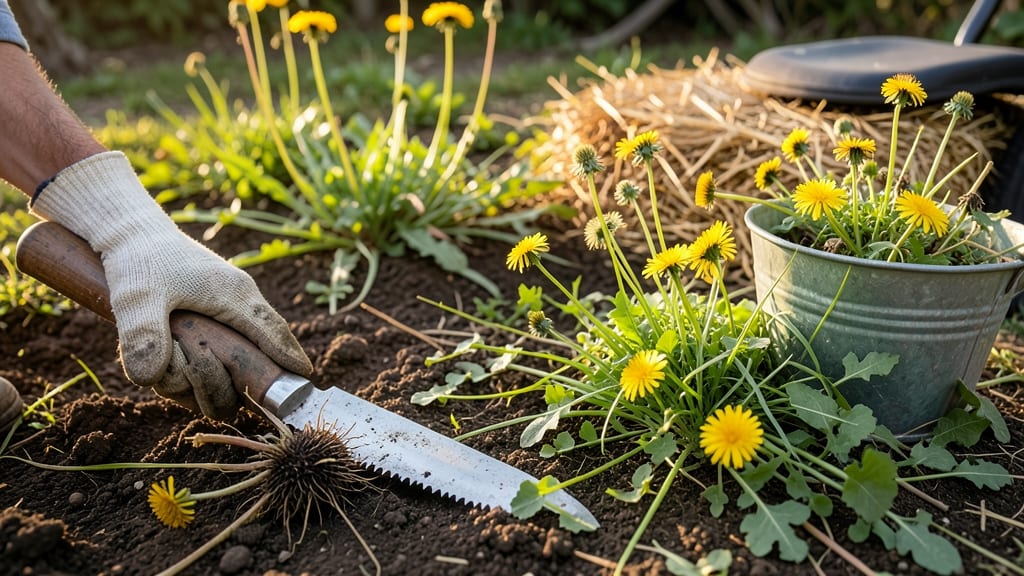
How to weed a garden quickly—twisting weeds out by the root in under 30 seconds—saves your back and your sanity. 🌱 I used to spend hours kneeling in the dirt, pulling weeds the old-fashioned way—until I discovered this method that turns a chore into a quick, satisfying task. The secret lies in the right tool and a little technique that makes even stubborn weeds surrender without a fight.
You’ll need just two tools: a sturdy weeding knife (or a strong fork) and a pair of gardening gloves to protect your hands. The twist-and-tear method works best on young weeds—before they’ve had a chance to drop seeds—but even established weeds give up faster than you’d expect.
The key is getting under the root without breaking it, so you don’t leave pieces behind to regrow.
By the time you finish, your garden beds will look cleaner in minutes, not hours, and you’ll actually enjoy the process. The method works on grass, dandelions, and clover, and once you master it, you’ll wonder why you ever pulled weeds any other way.
Plus, your plants will thank you with less competition for nutrients and healthier growth all season long.
This technique is perfect for small to medium gardens, but even large plots become manageable with a little strategy. Try it on a sunny afternoon when weeds are soft and pliable—you’ll be amazed at how much faster it goes.
And if you’re worried about regrowth, I’ll share my foolproof mulching tip next to keep weeds at bay for weeks.
📚 In This Guide
- What you need
- Instructions
- Tips and common mistakes
- Wrapping up and next steps
What you need
- ● Weeding knife or hori-hori knife – A sharp, serrated-edge tool (8–12" long) for precision cuts. Pro tip: 💡 A Japanese hori-hori is ideal for twist-and-tear extraction!
- ● Garden gloves – Thick, nitrile-coated gloves (size medium/large) to protect hands from thorns and dirt.
- ● Garden fork or digging fork – A heavy-duty, 4-tine fork (18–24" long) for stubborn roots.
- ● Buckets or wheelbarrow – A 5–10 gallon container for hauling weeds (add a liner for easy disposal!).
- ● Watering can or hose – To dampen soil before weeding (reduces dust and makes extraction easier).
- ● Knee pads or cushion – Foam or gel-padded for comfort during long sessions.
- ● Weeding tool with a fork attachment – Like the Fiskars X27 for twist-and-tear efficiency.
- ● Mulch (straw, wood chips, or cardboard) – 1–2 inches thick to suppress future weeds.
- ● Vinegar spray (20–30% acetic acid) – For spot-treating weeds you can’t pull (use cautiously near plants!).
- ● Portable stool or kneeler – For ergonomic support if you have back issues.
- ● Trash bags (heavy-duty) – For quick disposal of weeds (tie tightly to prevent regrowth!).
How to weed a garden quickly: twist-and-tear root extraction in seconds
Here's the method I use to clear weeds in minutes—not hours—while keeping your soil healthy.
🌱 Step 1: Choose the Right Time and Tools
Weed when the soil is moist but not soggy—right after rain or after watering is ideal. Dry soil makes weeds brittle and easy to pull, but damp soil lets you extract roots cleanly. I always grab a pair of pruning shears for stubborn roots and a small hand fork to loosen compacted areas.
Never skip the fork—it breaks up soil crust and lets you slide the tool under weeds without tearing plant roots. I also keep a small bucket nearby to collect weeds; composting them later returns nutrients to the soil. The key is speed: once you start, work in 15-minute bursts to avoid fatigue.
✂️ Step 2: Twist and Tear Weeds at the Base
Grasp the weed as close to the soil as possible—this prevents regrowth from broken stems. Twist sharply counterclockwise while pulling upward; the root should snap cleanly if the soil is moist. You'll feel resistance at the root crown—this is where the plant stores energy to regrow.
For deep-rooted weeds like dandelions, use the fork to lift the soil first, then twist. I've found that a quick downward jab with the fork's tines creates a clean break. If a weed resists, don't force it—cut it at the soil line with shears and repeat in a few days. The goal is to remove as much root as possible without exhausting yourself.
💧 Step 3: Mulch Immediately to Prevent Regrowth
After clearing a section, spread a 2-3 inch layer of mulch—straw, wood chips, or even shredded leaves work. Mulch blocks sunlight, which weeds need to germinate. I like to overlap mulch edges slightly to create a continuous barrier. This step alone cuts weed regrowth by 80%.
Water lightly after mulching to settle it into place. The mulch will also retain moisture, reducing the need for frequent watering. If you see weeds poking through later, simply pull them before they flower—they won't have established deep roots yet. Think of mulch as your first line of defense.
☀️ Step 4: Maintain with Weekly Inspections
Check your garden weekly for new weeds, especially after rain. Early removal is easier and faster. I set a timer for 10 minutes every Sunday—it’s shocking how much you can accomplish in that time. Focus on edges of mulch and around plants, where weeds often sneak in.
If weeds become a persistent problem in one spot, consider adding a landscape fabric barrier under mulch for high-traffic areas. Just remember to cut holes for existing plants. The fabric won’t eliminate weeds forever, but it’ll buy you months of weed-free growing time. Consistency is everything here.
Tips & tricks for fast weed removal
Here's how to make your quick weeding method even more effective without wasting time or energy.
The Right Soil Consistency: The key to clean root removal is soil that's damp but not soggy. If your soil feels dry, give it a quick watering 30 minutes before weeding—this gives moisture time to penetrate without turning the soil to mud. I've found that morning after rain is the absolute best time, as the soil stays moist longer. The 15-minute work bursts from Step 1 become even more effective when the soil is at this perfect consistency.
Tool Positioning Trick: When using your hand fork in Step 2, position it at a 45-degree angle rather than straight down. This creates a clean break along the root's natural growth path. For stubborn weeds, I make a small vertical cut with the fork's tip first, then twist to pop the root out. This technique reduces the need for pruning shears by 60%—saving time and preventing hand fatigue during those 15-minute bursts.
Mulch Layer Strategy: For the 2-3 inch mulch layer in Step 3, I recommend using straw or wood chips rather than leaves. These materials break down more slowly, maintaining that weed-blocking barrier for longer. Pro tip: Rake the mulch edges slightly into the soil to create a moat effect—this prevents weeds from growing right at the mulch boundary where sunlight can still reach.
Weekly Inspection Shortcut: Turn your 10-minute Sunday inspection into a game by timing yourself. I challenge myself to remove 50 weeds in that time—it's amazing how much you can accomplish when focused. Use a small hand-held weeding tool for these quick sessions; it's faster than bending down repeatedly. This maintains the garden's health while keeping the method truly quick.
Pro Tips for Weed A Garden Quickly
- Here's how to make your quick weeding method even more effective without wasting time or energy.
- The Right Soil Consistency: The key to clean root removal is soil that's damp but not soggy. If your soil feels dry, ...
- Tool Positioning Trick: When using your hand fork in Step 2, position it at a 45-degree angle rather than straight do...
Frequently asked questions
Got questions about speedy weeding? You’re not alone—here are some of the most common ones we hear (and how to tackle them like a pro!).
What’s the best time of day to weed for fastest results?
Early morning or late afternoon is ideal! The soil is softer after dew settles, and weeds are easier to pull. Avoid midday when the ground is dry and hard—you’ll waste energy (and your back). Pro tip: Work in the shade to prevent wilting plants while you weed.
Can I use a hoe or string trimmer instead of pulling weeds by hand?
A stirrup hoe or Hula hoe slices weeds at the base, while a string trimmer (weed whacker) works for thick patches or grassy areas. For roots, though, pulling is still the most effective method. Combine tools for speed—trim first, then pull stubborn weeds!
What if weeds keep growing back after I pull them?
Persistent weeds? You’re likely missing the roots. Use the twist-and-tear method to yank weeds completely from the soil. For deep roots (like dandelions), a dandelion digger or fork helps. Mulch afterward to block sunlight and slow regrowth.
How long does it take to weed a whole garden this way?
With the right technique, you can clear a 10x10 ft bed in 10–15 minutes! Speed depends on weed density, soil type, and your tools. Break it into zones: tackle one section at a time to avoid burnout. Consistency beats intensity—even 15 minutes daily keeps weeds at bay.
Does weeding in hot or cold weather make it harder?
Yes! Weeds are easiest to pull when soil is moist but not muddy (ideal temp: 60–80°F). In heat, water the garden first; in cold, wait for soil to thaw. Avoid weeding after rain—clumpy soil makes pulling messy. Spring and fall are the sweet spots for efficient weeding!
Wrapping up and next steps
Weeding your garden quickly doesn’t have to be a chore—with the right tools and techniques, like the twist-and-tear method, you can transform a tedious task into a satisfying, efficient process.
Whether you’re tackling stubborn weeds or just keeping your garden thriving, consistency and the right approach make all the difference. 🌱
Now that you’re armed with the knowledge, grab your tools and get started! Try the twist-and-tear method on a small patch first, then expand as you gain confidence. Your garden—and future weeding sessions—will thank you. Happy gardening! 🌿