
Advice
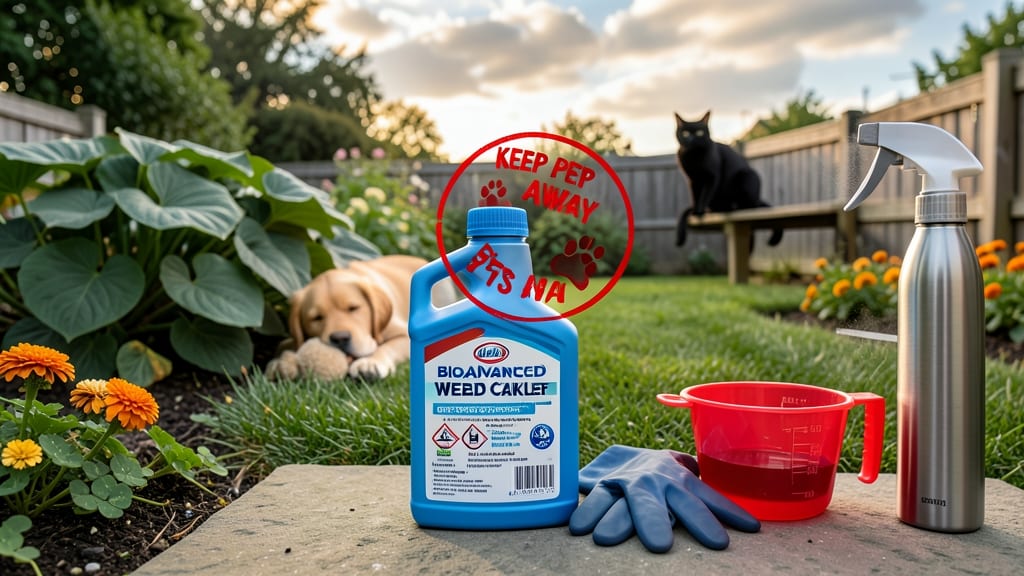
Bioadvanced weed killer is not pet-safe—its active ingredients (like glyphosate or dicamba) pose serious risks, including vomiting, skin irritation, or even organ damage if pets ingest or absorb them. Always keep animals away during treatment and thoroughly clean treated areas before allowing them access.
Bioadvanced weed killers contain chemicals designed to disrupt plant growth, and while they're effective for weeds, they're equally harmful to pets. 🐾 Dogs and cats are especially vulnerable because they often lick their paws after walking on treated areas, or may chew on plants after spraying.
Even residual droplets on grass or soil can lead to accidental exposure. Veterinarians recommend avoiding chemical herbicides entirely in homes with pets, opting instead for manual removal or vinegar-based solutions that break down safely in the environment.
If you've already used Bioadvanced in your yard, monitor your pets closely for signs of distress like drooling, lethargy, or vomiting. Immediate vet care is critical if you suspect poisoning.
For a safer approach, consider flame weeding tools or corn gluten meal—both are pet-friendly and effective for controlling weeds without the risks.
💡 In This Article
- Active Ingredients in Bioadvanced Weed Killer and Their Pet Toxicity Risks
- Vet-Approved Pet-Safe Weed Control Alternatives for Gardens
Active ingredients in Bioadvanced weed killer and their pet toxicity risks
Bioadvanced weed killers primarily contain glyphosate or dicamba, both classified as herbicides that disrupt plant growth by interfering with essential enzymes.
Glyphosate works by inhibiting the EPSP synthase enzyme in plants, which is critical for producing certain amino acids—animals lack this enzyme, but exposure still causes toxicity through absorption or ingestion.
The LD50 (lethal dose for 50% of test subjects) for glyphosate in dogs is approximately 5 grams per kilogram of body weight, meaning even small amounts can be dangerous for pets.
Dicamba, another common ingredient, mimics plant hormones, causing uncontrolled growth and cell death in weeds. For pets, dicamba exposure leads to skin irritation, vomiting, or respiratory distress.
What makes these chemicals particularly risky is their persistence—glyphosate can linger in soil for months, while dicamba may volatilize (turn into vapor) and drift, contaminating nearby areas where pets play.
A single lick of contaminated paws or a chewed weed can expose pets to harmful doses, especially for small breeds or kittens with sensitive systems.
The real danger lies in how pets interact with treated areas. Dogs and cats groom themselves, transferring residue from fur to mouths, while curious pets may dig or chew plants.
Symptoms of poisoning appear within 30 minutes to 24 hours and include drooling, diarrhea, lethargy, or even seizures in severe cases. Unlike humans, pets can’t communicate discomfort effectively, making early detection difficult. Veterinarians often treat exposure with activated charcoal to absorb toxins and IV fluids to flush the system.
Long-term exposure poses even greater risks. Studies link glyphosate to kidney or liver damage in animals, while dicamba may disrupt hormonal balance. The Environmental Protection Agency (EPA) classifies both as "likely carcinogens" in high doses, though their effects on pets remain less documented.
The safest approach is avoiding these chemicals entirely in homes with pets, opting for non-toxic alternatives that don’t carry the same health risks.
Consider this: A 10-pound dog licking its paws after walking on glyphosate-treated grass could ingest enough residue to cause mild poisoning. The same dose in a 50-pound dog might trigger severe symptoms. Size matters because smaller pets have less body mass to dilute toxins, making them far more vulnerable.
Always err on the side of caution—when in doubt, skip the chemical and choose a pet-safe method instead.
If you’ve already used Bioadvanced, wait at least 72 hours before allowing pets near treated areas. Test soil with a pet-safe kit (like those for heavy metals) to confirm safety.
For immediate relief, wash paws and fur with mild soap and water, then monitor for symptoms. Prevention is key—your pet’s curiosity isn’t a risk worth taking.