
Flowers
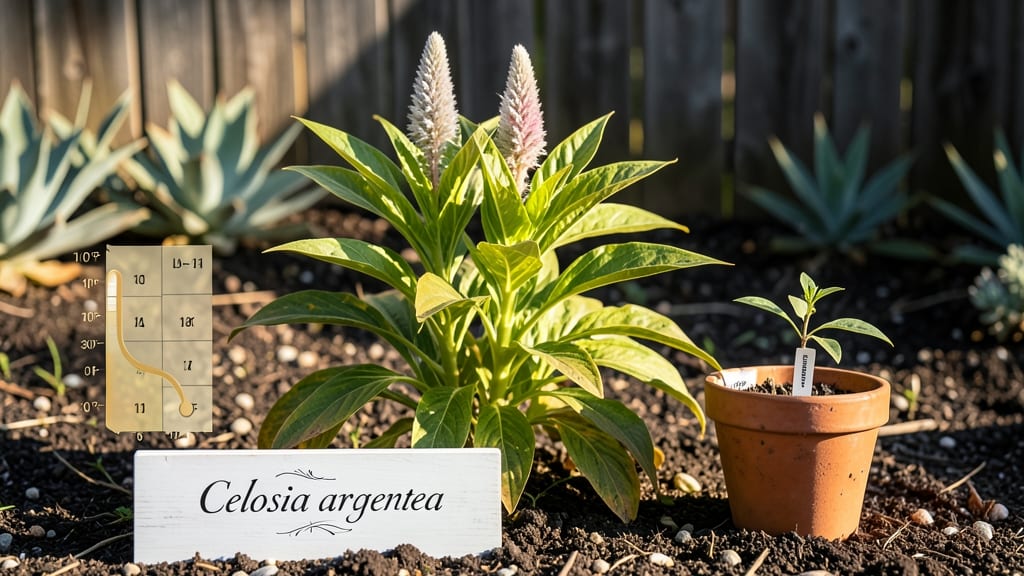
Celosia is a perennial only in frost-free climates, dying back after frost in most regions, though it often self-seeds prolifically in warm zones (USDA 9-11).
Is celosia a perennial? Its perennial status depends entirely on your climate. 🌱 In frost-free zones like Florida or Southern California, it thrives year-round, often sprouting from fallen seeds or surviving mild winters. However, in colder regions (USDA 7 and below), the plant's tender stems and leaves freeze quickly, killing it to the ground. The key difference lies in its root system—celosia doesn't develop true winter-hardy roots like perennials such as lavender or salvia, which is why it's classified as an annual in most gardens.
Gardeners in transitional zones (USDA 8) sometimes get lucky when celosia self-seeds aggressively, creating a natural renewal process. But this isn't reliable enough to count on for consistent returns.
For those who want to keep their favorite varieties, overwintering in pots with bright indoor light gives you the best chance to replant come spring.
💡 In This Article
- Celosia’s Growth Habits and Cold Tolerance
- How to Overwinter Celosia in Cooler Climates
Celosia’s growth habits and cold tolerance
Celosia’s behavior as an annual stems from its tropical origins and delicate physiology. Unlike hardy perennials, its stems and leaves contain minimal moisture reserves, making them vulnerable to freezing temperatures below 28°F.
The plant’s root system, while fibrous, lacks the deep, woody structure of true perennials like hostas or peonies, which can regenerate from protected underground storage organs. When frost hits, celosia’s entire above-ground structure collapses, and without protective mulch or shelter, the roots often fail to survive the winter chill.
The key difference in frost-free climates is celosia’s prolific self-seeding habit. In zones USDA 9-11, where winter temperatures rarely drop below 30°F, the plant continues growing year-round or enters only a brief dormancy.
Seeds naturally disperse from the flower heads, creating dense patches of volunteers that emerge in spring. This natural regeneration explains why celosia often appears perennial in these regions—it’s not the same plant returning, but its offspring thriving in ideal conditions. 🌿
In cooler climates, celosia’s cold sensitivity becomes apparent through its growth patterns. The plant’s rapid bolting (flowering) in response to shorter daylight hours is a survival strategy for tropical species, but this same trait makes it less adaptable to northern winters.
Unlike biennials that store energy for regrowth, celosia prioritizes seed production over root development, leaving it with limited cold resistance. Even in USDA 8 zones, where winters are mild, plants may survive light frosts but rarely recover fully.
What makes this especially interesting is how celosia’s two main types—Celosia argentea (plumed varieties) and Celosia cristata (cockscomb)—differ in hardiness. The plumed types tend to be slightly more resilient due to their denser foliage, which provides some insulation.
However, neither variety develops true winter dormancy like perennials. Instead, they rely on quick regrowth from seed, which explains why gardeners in marginal zones sometimes see "perennial" behavior from self-sown seedlings rather than the original plant.
The science behind this involves celosia’s C4 photosynthetic pathway, which is highly efficient in hot, sunny conditions but becomes stressed when temperatures dip. This metabolic limitation prevents it from entering true dormancy, a key trait of hardy perennials.
The plant’s energy is always focused on growth or reproduction, never on storing reserves for winter survival. 💡
For gardeners in transitional zones, this means celosia’s "perennial" status is more about opportunistic seeding than true plant persistence. While it won’t survive winter in place like a peony, its ability to produce thousands of seeds ensures it will return—just not from the same roots.
This natural cycle explains why some gardeners swear by celosia’s reliability while others struggle to keep it coming back year after year.