
Picking
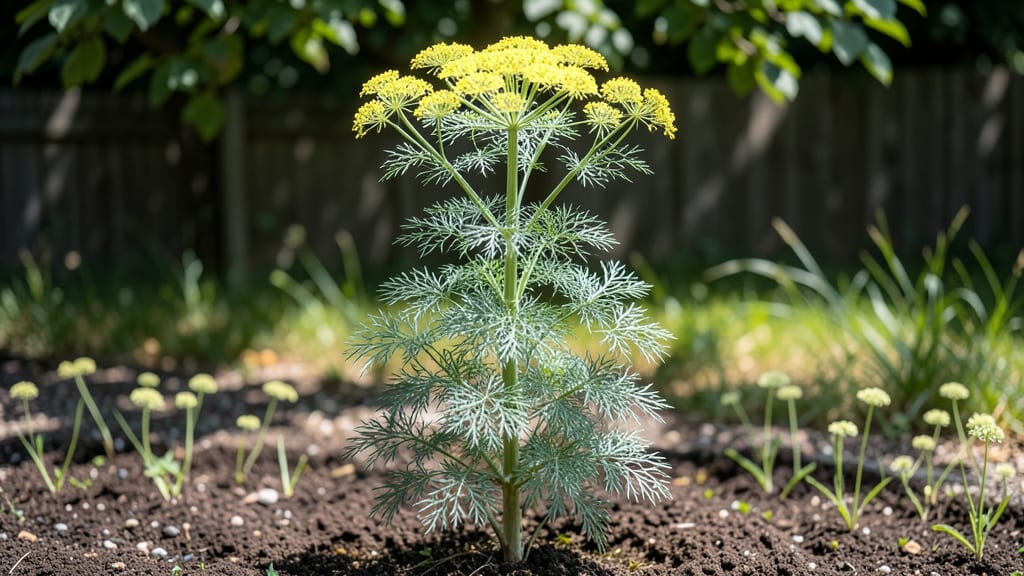
Is dill a weed? No—it's a prized herb with edible leaves and seeds, though its wild appearance and tendency to self-seed can make it look like an unwanted plant in gardens.
Dill's reputation as a weed stems from its feathery, lacy leaves and how easily it spreads seeds, but it's actually a deliberately cultivated plant with a long history in cooking and medicine. 🌱 Unlike true weeds, dill (Anethum graveolens) has a deep taproot and grows upright, making it a desirable garden addition rather than an ecological nuisance.
Many gardeners even welcome its self-seeding nature because it ensures a steady supply of fresh herbs for dishes like pickles, soups, and fish.
What sets dill apart is its dual-purpose nature—it's both a culinary staple and a medicinal herb, used for digestive health and even as a natural remedy for colic in infants.
The key difference from weeds? Dill's controlled growth habits and intentional cultivation make it a valuable garden resident rather than an invasive pest.
💡 In This Article
- Botanical Differences: Dill vs True Weeds
- Growing Dill: Cultivation Tips and Garden Management
Botanical differences: dill vs true weeds
Dill (Anethum graveolens) belongs to the Apiaceae family, which also includes carrots and parsley, while true weeds like crabgrass or pigweed are typically classified under different botanical families like Poaceae or Amaranthaceae.
The key distinction lies in their growth patterns: dill grows upright with a deep taproot that can reach 12-18 inches deep, anchoring it firmly in the soil. This root system allows it to thrive in garden conditions without spreading aggressively like shallow-rooted weeds.
The feathery leaves of dill are often mistaken for wild plants, but they serve a functional purpose—they maximize sunlight absorption for photosynthesis. True weeds, however, have evolved to spread rapidly, often with shallow root systems and prolific seed production (like lambsquarters, which can produce 10,000+ seeds per plant).
Dill's seed heads, while abundant, are intentionally cultivated for their culinary and medicinal properties, not for invasive spread. 🌱 The seeds contain carvone and limonene, compounds that give dill its signature flavor and digestive benefits.
Ecologically, dill plays a positive role in gardens. Its deep roots help aerate the soil, and its flowers attract beneficial pollinators like bees and hoverflies. In contrast, true weeds often outcompete desirable plants for nutrients and water, disrupting garden ecosystems.
Dill's controlled growth—when managed properly—makes it a garden ally, not a pest. Its ability to self-seed is actually a feature, ensuring a continuous harvest for home cooks.
Another key difference is how they respond to cultivation. Dill thrives in well-drained soil with full sun and regular watering, while many weeds flourish in disturbed or nutrient-poor conditions. Gardeners can easily manage dill by harvesting leaves and seeds regularly, preventing overgrowth.
True weeds, however, often require herbicides or manual removal to control their spread. This fundamental difference in growth habits is why dill is celebrated in kitchens worldwide—from Scandinavian gravlax to Mexican salsa.
Visually, dill's ferny foliage and yellow umbrella-shaped flowers are unmistakable, but its upright growth habit sets it apart from sprawling weeds. The plant's height typically ranges from 2-4 feet, with stems that are hollow and segmented—characteristics that make it easily identifiable as a cultivated herb.
Unlike weeds, which often have irregular or jagged leaf edges, dill's leaves are finely divided and aromatic when crushed, releasing a citrusy, slightly sweet scent.
For those concerned about dill spreading uncontrollably, the solution is simple: deadhead spent flowers before they go to seed or harvest seeds intentionally for cooking. This practice ensures dill remains a welcome garden resident rather than an unwanted guest.
The botanical truth is clear—dill is a deliberately cultivated plant, not a weed, and its many uses make it a valuable addition to any garden or kitchen. 🌿