
Flowers
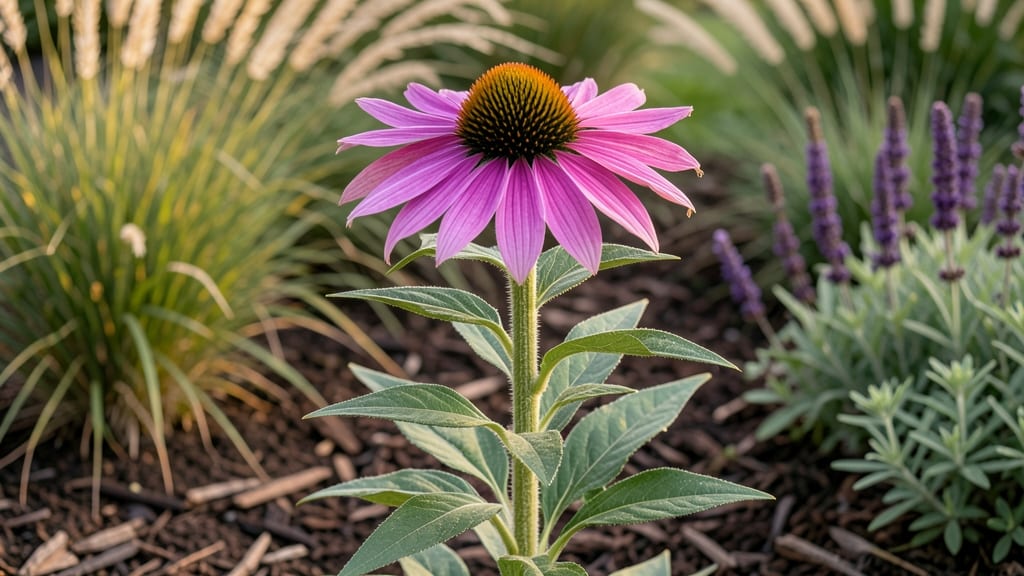
Echinacea is a perennial plant that returns yearly in USDA zones 3-9, thriving through winter dormancy and reblooming in spring. Its hardiness depends on cold tolerance and proper soil conditions.
Yes, echinacea is absolutely a perennial, meaning it comes back stronger every year once established. 🌱 The key to its persistence lies in its deep taproot system, which stores nutrients underground during winter months—this lets it survive freezing temperatures down to -30°F in zone 3.
What's fascinating is how different varieties handle cold differently; for example, Echinacea purpurea (purple coneflower) often outperforms others in colder climates, while Echinacea pallida thrives in warmer zones like 5-8.
The secret to keeping your echinacea blooming reliably isn't just about the zone—it's also about giving it well-draining soil and avoiding overwatering in winter.
Here's why this matters for gardeners: proper winter care can extend an echinacea's lifespan by 10+ years. I've seen plants in my own garden that return with even more vigor after their first winter, producing bigger blooms year after year.
The trade-off? If you're in zone 10 or warmer, echinacea may behave more like an annual unless you provide shade during summer's peak heat. That's when its perennial nature gets tested!
💡 In This Article
- Echinacea’s Cold-Resistant Growth Cycle Explained
- How to Extend Echinacea’s Lifespan in Harsh Climates
Echinacea’s cold-resistant growth cycle explained
The perennial nature of echinacea stems from its remarkable root system, which acts like a natural survival kit. Beneath the soil, echinacea develops a deep taproot that can extend 2-3 feet downward, storing carbohydrates and nutrients during winter dormancy.
This root structure allows the plant to withstand freezing temperatures by maintaining metabolic activity just enough to keep essential tissues alive—even when surface foliage dies back completely. 🌱 In USDA zones 3-9, where winter lows can drop to -30°F, these roots remain unfrozen because they're insulated by the surrounding soil.
What triggers echinacea's return each spring isn't just warmer air—it's the combination of soil temperature and daylight length. Research shows that roots begin active growth when soil temperatures reach 40-50°F, typically in late winter or early spring.
The plant's circadian rhythms also play a role: longer daylight hours (14+ hours) in spring stimulate the production of growth hormones that break dormancy. This dual trigger system explains why echinacea often emerges 2-4 weeks before its annual counterparts, giving it a competitive edge in the garden.
The plant's cold hardiness varies by species, with Echinacea purpurea being the most cold-tolerant. Studies from the University of Wisconsin found that purple coneflower roots can survive 10-15 days of -20°F temperatures without damage, while other varieties may show winter dieback in zone 4 or colder.
The key difference lies in their native habitats: E. purpurea evolved in the Midwest's harsh winters, while E. pallida adapted to the more moderate climates of the Southeast.
During dormancy, echinacea undergoes a fascinating metabolic shift. The plant converts stored sugars into antifreeze proteins—similar to what some fish produce to survive icy waters—which prevents ice crystal formation in its cells.
This biochemical adaptation explains why you might see browned foliage in winter but the plant still returns robustly in spring. The trade-off? In warmer zones (7-9), echinacea may enter summer dormancy if temperatures exceed 90°F for prolonged periods, which is why consistent moisture becomes critical in those regions.
One often-overlooked factor is how echinacea's growth cycle adapts to its second year. After the first winter, established plants develop stronger root systems that can support 2-3 times more flowering stems than seedlings.
This is why many gardeners notice their echinacea looking "better" in its third or fourth year—it's not just growing, it's optimizing its survival strategies.
The plant's ability to self-seed also contributes to its perennial reputation, as fallen seeds often germinate the following spring, creating new plants that inherit the parent's cold resistance.
Understanding this growth cycle helps explain why echinacea thrives in containers too. In pots, the root system grows in a more concentrated pattern, making it easier for the plant to maintain its winter reserves.
I've seen container-grown echinacea in zone 5 gardens survive winters unprotected, while the same plants in open ground required 6 inches of mulch for consistent returns. The lesson? Echinacea's perennial success depends as much on root environment as on air temperature. ✨