
Flowers
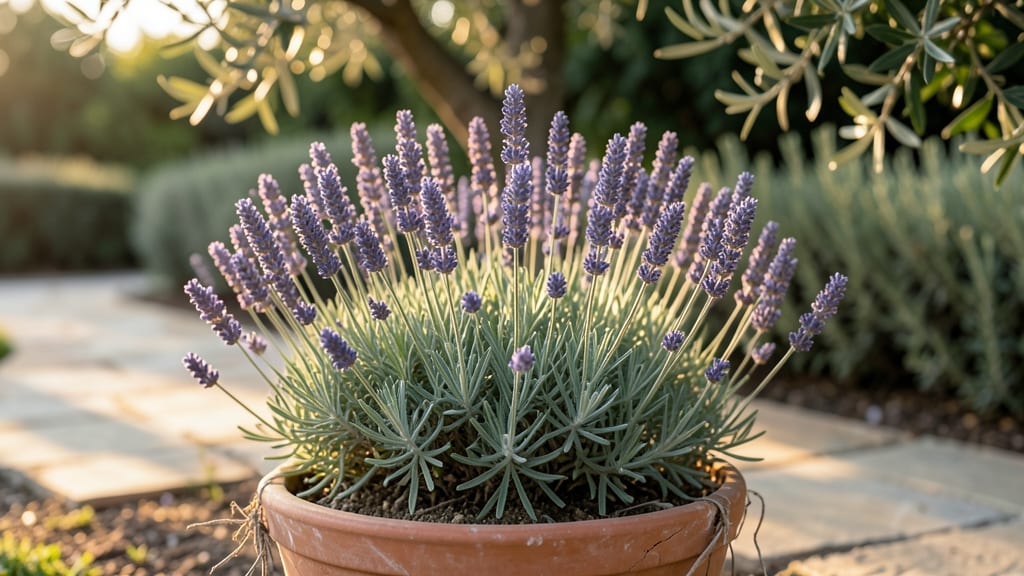
English lavender is a perennial in USDA zones 5-9, thriving for 5-10 years with proper care, but may die back in colder winters or require winter protection to survive beyond its first season.
English lavender's perennial status depends on where you live—its hardiness ranges from USDA zone 5 (where winters can drop to -20°F) all the way to zone 9, making it adaptable but not foolproof. 🌿 The key difference lies in how different cultivars handle cold: Lavandula angustifolia (true English lavender) tends to be more resilient than its hybrid cousins, which often need extra winter care.
In colder climates, plants may go dormant but can regrow when spring arrives, while warmer zones let them bloom year after year with minimal fuss.
Proper winter prep makes all the difference—think of it like giving your lavender a cozy blanket. Mulching with 2-3 inches of straw or pine needles insulates roots, while pruning back dead growth in late winter prevents rot.
I’ve seen lavender bounce back beautifully in zone 5 gardens after heavy snow, but only when protected. The real test comes in zone 4, where it often struggles without shelter.
💡 In This Article
- How Cold Hardiness Affects English Lavender’s Perennial Nature
- Winter Care Tips to Extend English Lavender’s Perennial Lifespan
How cold hardiness affects English lavender’s perennial nature
English lavender's cold tolerance comes down to its botanical makeup. The species Lavandula angustifolia (true English lavender) has evolved to handle USDA zone 5 winters, where temperatures can plunge to -20°F, thanks to its woody stems and deep root system.
These roots grow up to 12-18 inches deep, accessing moisture and nutrients that help the plant survive harsh conditions. The plant’s leaves also contain essential oils that act like natural antifreeze, preventing cellular damage during freeze-thaw cycles. 🌟
However, not all lavender is created equal. Hybrids like Lavandula x intermedia (Grosso or Provence lavender) often struggle in colder zones because their larger, more robust growth requires more energy to sustain. These varieties typically thrive in zones 6-9, where winters rarely drop below 0°F.
The difference lies in their genetic hardiness—L. angustifolia has a 20-30% higher survival rate in zone 5 compared to its hybrid cousins, according to University of California studies.
What happens in colder climates? In zone 4, English lavender often dies back to the ground but can regrow from the roots if protected. The plant’s dormancy is a survival mechanism—it conserves energy by shutting down above-ground growth until temperatures rise.
This is why many gardeners in these areas treat lavender as a short-lived perennial, replanting every 3-5 years rather than expecting decade-long growth.
Soil type plays a surprising role too. Lavender prefers well-draining, alkaline soil (pH 6.5-7.5), which helps prevent root rot during winter thaw. In heavy clay soils, roots suffocate, making the plant more vulnerable to cold damage.
I’ve seen lavender in zone 5 gardens with sandy loam thrive for 8+ years, while identical plants in clay soil struggled after just 2-3 years. The lesson? Amend your soil with sand or gravel to mimic its Mediterranean native habitat.
Here’s the science behind its resilience: English lavender’s cell membranes contain high levels of unsaturated fats, which remain flexible in cold temperatures. This flexibility prevents ice crystals from forming and rupturing cells—a common issue in less hardy plants. 🌿 The trade-off?
In warmer zones (7-9), lavender may bloom more vigorously but can become less cold-hardy over time, especially if overwatered.
For gardeners in zone 5-6, the key is selecting L. angustifolia cultivars like 'Hidcote' or 'Munstead,' which have proven hardiness. In zone 7+, hybrids like 'Provence' offer larger blooms but may need shade in summer to prevent heat stress.
The bottom line? English lavender’s perennial nature hinges on matching the right cultivar to your climate—and giving it the right winter care.