
Neem Oil
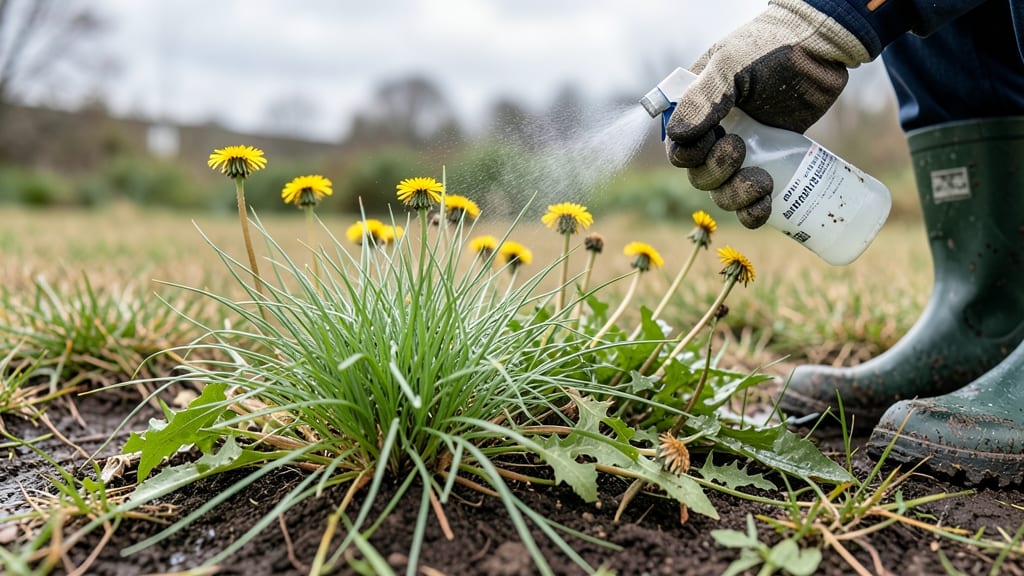
Spraying weeds after rain is generally not recommended—excess moisture can wash herbicides off leaves, reducing effectiveness and increasing runoff risks. Wait until plants are dry and temperatures are moderate for best results, typically early morning or late afternoon on clear days.
Rainy conditions create a slippery surface for herbicides, making them more likely to slide off weed leaves before they can absorb. 🌧️ The waxy cuticle on plant surfaces repels water, but when leaves are already damp, herbicides simply bead up and roll away.
This is especially true for water-based herbicides, which rely on direct contact with dry foliage to work properly. Even soil-applied treatments can become less effective when heavy rain follows application, as it may dilute the concentration or wash active ingredients deeper into the soil where weeds can't access them.
For best results, aim to spray when weeds are actively growing but the ground is dry. Early mornings or late afternoons are ideal because temperatures are cooler, reducing evaporation and allowing the herbicide to linger longer on the leaves.
If you must treat after rain, consider using a sticky adjuvant or opting for granular herbicides that adhere better to moist surfaces.
💡 In This Article
- How Rain Affects Herbicide Absorption in Weeds
- Best Times to Spray Weeds for Maximum Control
How rain affects herbicide absorption in weeds
Rain fundamentally alters how herbicides interact with weed foliage by disrupting the natural adhesion process. When leaves are wet, the herbicide solution simply beads up and rolls off rather than adhering to the leaf surface.
This happens because the waxy cuticle layer on plant leaves—nature's built-in waterproofing—becomes saturated, preventing proper herbicide absorption. Water-soluble herbicides like glyphosate are particularly vulnerable, as they rely on direct contact with dry plant tissues to penetrate effectively.
The problem extends beyond immediate runoff. After rain, soil moisture increases, which can dilute herbicides before they reach target weeds. For example, pre-emergent herbicides designed to form a protective barrier in the soil may get washed deeper than intended, reducing their ability to inhibit weed seed germination.
Even post-emergent herbicides that work by contact may fail to establish the necessary concentration on foliage when applied to damp plants. 🌧️ The ideal scenario is applying herbicides to dry leaves when the cuticle is intact and receptive.
Herbicide chemistry plays a crucial role too. Contact herbicides like 2,4-D or dicamba rely on direct leaf coverage, while systemic herbicides like glyphosate need to be absorbed through leaves and translocated throughout the plant.
Wet conditions prevent both types from working optimally. Studies show that herbicide efficacy can drop by 30-50% when applied to wet foliage compared to dry conditions, making timing critical for successful weed control.
Consider the physics at play: water creates a barrier between the herbicide and the leaf surface. When you spray after rain, you're essentially trying to apply a treatment to a surface that's already slippery.
The herbicide droplets lack the necessary surface tension to stick, and any that do adhere may be washed away within hours. This is why professional landscapers and farmers often wait 24-48 hours after rainfall before applying foliar treatments.
For granular herbicides, the situation is slightly different but still problematic. While granules may adhere better to moist soil, they can also become less effective if heavy rain follows application, as it may wash them deeper into the soil profile where weeds can't access them.
The key is understanding whether your herbicide is designed for foliar uptake or soil incorporation—and adjusting your timing accordingly. 🔍
One exception worth noting is when using herbicides specifically formulated for wet conditions, such as some oil-based or surfactant-enhanced products. These formulations include additives that help the herbicide adhere better to wet surfaces.
However, even these products work best when applied to plants that are only slightly damp rather than completely saturated.