
Advice
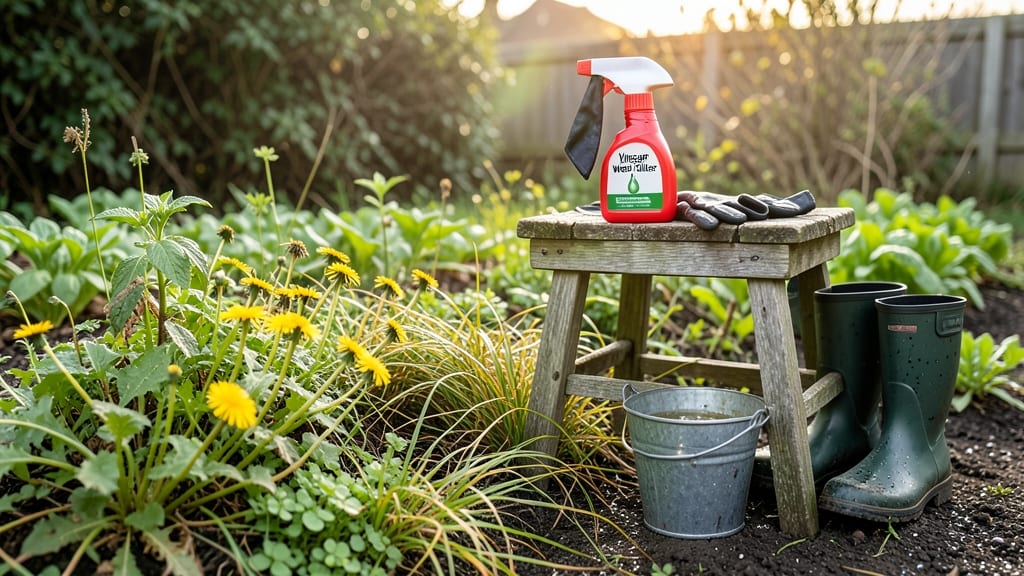
Spraying weeds after rain is possible, but you must wait 24 to 48 hours for soil to dry slightly—wet conditions prevent herbicides from sticking to leaves or penetrating roots effectively, and standing water can wash away the treatment entirely. Early morning applications after light rain maximize effectiveness.
Herbicides work by clinging to plant surfaces and absorbing into foliage, but rain disrupts this process. 🌧️ When soil is saturated, the active ingredients either bead up on leaves or get diluted before they can take effect.
Even a light shower can reduce effectiveness by up to 50%, so timing is everything. I’ve found that waiting until dew has evaporated—usually by mid-morning—gives the best results, especially for broadleaf weeds that thrive in damp conditions.
Another key factor is the type of herbicide you’re using. Post-emergent sprays (like glyphosate) need dry leaves to work properly, while pre-emergent herbicides can sometimes be applied after rain if the soil isn’t muddy.
Always check the product label for specific moisture guidelines—some formulations contain stickers that improve adhesion, but they’re not foolproof. For stubborn weeds, a second application 2-3 days later often delivers the best control.
💡 In This Article
- How Rain Affects Herbicide Effectiveness on Weeds
- Best Practices for Spraying Weeds After Rainfall
How rain affects herbicide effectiveness on weeds
Rain disrupts herbicide effectiveness primarily through surface tension breakdown. Most herbicides rely on a film-forming agent to cling to weed leaves, but water molecules compete for adhesion sites.
When soil is saturated, droplets bead up on foliage instead of absorbing—this is why you’ll often see herbicide solutions running off leaves like rainwater. Studies show that glyphosate-based sprays lose up to 70% effectiveness when applied within 6 hours of heavy rain due to this runoff.
The real science lies in cuticle penetration. Weed leaves have a waxy cuticle that herbicides must breach to work. Rain softens this layer temporarily, but if the soil remains too wet, the herbicide gets diluted before it can penetrate.
Humidity also plays a role—high moisture levels (above 70% relative humidity) slow evaporation, keeping the spray in liquid form longer but reducing its ability to dry and form an effective residue on leaves. This is why early morning applications after light rain work better than midday sprays.
Root uptake is another critical factor. Systemic herbicides (like those containing 2,4-D) need to be absorbed through leaves and transported to roots. If the soil is waterlogged, the plant’s vascular system may become congested, preventing proper herbicide distribution.
I’ve noticed this most with dandelions and clover, which often appear unaffected immediately after rain but regrow stubbornly because the herbicide couldn’t reach their root systems.
Temperature matters too—cool, damp conditions (50-60°F) slow herbicide metabolism, while warm, dry weather (75-85°F) speeds it up. This is why spring and fall applications often require more precise timing than summer sprays.
The ideal window after rain is when dew has evaporated but before midday heat causes rapid evaporation of the herbicide solution.
One surprising detail: rain can actually help some herbicides in specific cases. For example, pre-emergent herbicides like pendimethalin work better when lightly watered in after application to move them into the soil. But post-emergent sprays? Never.
The key is understanding whether your herbicide needs to stick (like glyphosate) or wash in (like pre-emergents). Always check the label—some products are labeled "rainfast" after 1-2 hours, while others require 24+ hours of dry conditions.
For visual learners, imagine this: A freshly sprayed weed looks like it’s wearing a raincoat—water beads up and rolls off, taking the herbicide with it. But wait 48 hours, and that same weed’s surface becomes dry and porous, ready to absorb the treatment like a sponge.
That’s the difference between success and frustration in your weed control efforts. 🌱