
Flowers
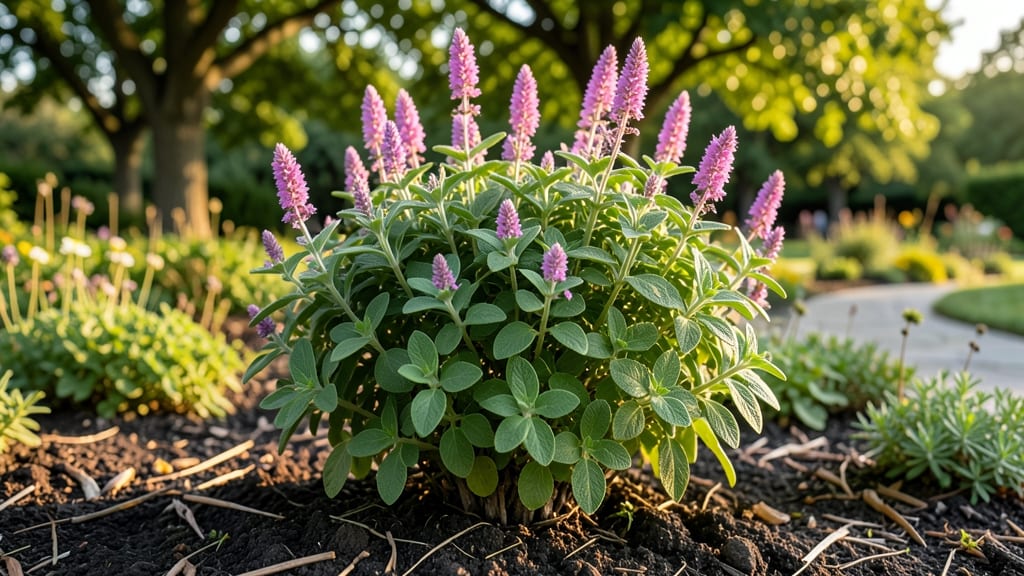
Italian oregano is indeed a perennial herb, thriving in USDA hardiness zones 5-9 and returning each year with proper care. Its hardy root system allows it to regrow annually when given well-draining soil, full sun exposure, and winter protection.
This hardy herb's perennial nature comes from its deep root system, which stores nutrients and moisture to survive harsh winters and dry spells. 🌱 Unlike its annual cousins, Italian oregano can spread aggressively through self-seeding and underground runners, making it a low-maintenance addition to perennial gardens.
The key to its longevity lies in providing consistent sunlight and preventing waterlogged soil—both critical for its survival across multiple growing seasons.
For gardeners in colder climates, applying a thick layer of mulch before winter helps insulate the roots, while pruning back stems in early spring encourages fresh, vigorous growth.
The plant's ability to regenerate from its root crown means even if the tops die back in winter, it'll bounce back with new shoots when temperatures rise.
💡 In This Article
- How Italian Oregano Survives as a Perennial Plant
- Tips for Growing Italian Oregano as a Long-Term Perennial
How Italian oregano survives as a perennial plant
The secret to Italian oregano's perennial survival lies in its robust underground structure. Unlike annual varieties that complete their life cycle in one season, Italian oregano develops a deep, fibrous root system that stores carbohydrates and moisture.
These roots can extend up to 12-18 inches below soil level, allowing the plant to access water during droughts and nutrients year-round. This underground network also contains meristematic tissue—specialized cells that can regenerate new growth even after the aboveground parts die back. 🌱
Botanically, Italian oregano (Origanum vulgare subsp. hirtum) thrives in temperate climates because its cold hardiness comes from a combination of factors. Its leaves contain high levels of volatile oils (like carvacrol and thymol) that act as natural antifreeze, preventing cellular damage during freezing temperatures.
In contrast, annual oregano varieties lack this deep root structure and specialized chemistry, making them far more vulnerable to winter kill. Italian oregano's ability to survive -15°F to 0°F temperatures explains why it flourishes in USDA zones 5-9.
The plant's drought tolerance stems from its ability to close stomata (pores) during dry periods, reducing water loss while maintaining photosynthesis. This adaptation allows it to survive extended dry spells that would kill less resilient herbs.
What's fascinating is how the roots continue metabolizing even when the plant appears dormant, slowly rebuilding energy reserves for spring growth. This biological efficiency is why Italian oregano can return stronger each year with minimal intervention. 💫
Comparing it to other Mediterranean herbs reveals its unique resilience. While basil (an annual) dies with frost, Italian oregano's root crown remains viable through winter. The key difference is that perennial oregano stores energy in its roots rather than relying on annual seed production.
This means gardeners get established plants that multiply through both self-seeding and underground stolons (horizontal stems), creating dense patches over time.
One often-overlooked survival mechanism is Italian oregano's ability to photosynthesize at lower light intensities. During early spring or late fall, when sunlight is weaker, its leaves can still produce energy, giving it a head start on growth.
This adaptability explains why it often outcompetes annual herbs in perennial gardens—it's simply better equipped to handle seasonal extremes. The plant's aromatic oils also play a role in pest resistance, reducing stress that might otherwise weaken it during harsh conditions. 🌿
For gardeners curious about the science, Italian oregano's perennial nature can be traced to its evolutionary history. Native to the Mediterranean, it developed these traits to survive hot, dry summers and cold winters—a perfect adaptation for temperate garden climates.
The combination of deep roots, chemical antifreeze properties, and efficient water use makes it one of the most hardy culinary herbs for long-term gardening. 🔥