
Planting
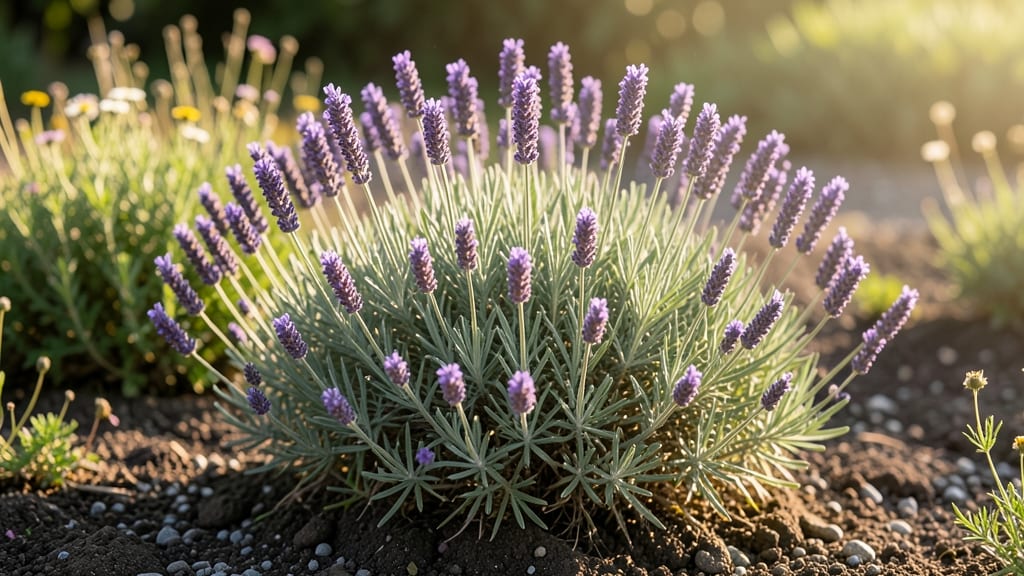
Yes, lavender is a perennial plant in USDA zones 5-9, thriving for 5-10 years with proper care, though some varieties may decline after 3-5 years. Cold-hardy types like English lavender survive winters, while tender varieties need protection or replanting annually in colder climates.
Lavender earns its perennial status because of its deep root system, which stores nutrients and moisture to fuel regrowth each spring. 🌱 In milder climates (zones 5-9), the roots stay active year-round, while in colder regions, some varieties enter dormancy but bounce back when temperatures rise.
The key difference lies in hardiness—English lavender handles freezing temps better than Mediterranean types, which often need winter protection like mulch or frost cloth.
What many gardeners overlook is that lavender's lifespan depends on two factors: soil health and pruning habits. Overly wet or nutrient-poor soil accelerates decline, while aggressive spring pruning can weaken the plant.
I’ve found that dividing mature plants every 3-4 years actually rejuvenates them, extending their productive life by another decade.
💡 In This Article
- Lavender’s Perennial Lifespan Explained
- Overwintering Lavender: Step-by-Step Survival Guide
Lavender’s perennial lifespan explained
Lavender’s perennial nature stems from its robust root system, which can extend up to 3 feet deep in mature plants.
These woody roots store carbohydrates and water, allowing the plant to survive drought and cold periods. 🌿 In USDA zones 5-9, the roots remain active year-round, though growth slows dramatically in winter.
The key difference between perennials and annuals lies in this underground storage system—lavender’s roots act like a natural battery, recharging each season to produce new growth.
Seasonal growth patterns reveal why some lavender varieties thrive longer. English lavender, for example, enters dormancy in winter but retains its root structure, ready to burst with 12-18 inch stems by spring. Mediterranean varieties, however, often struggle with winter dieback because their roots aren’t as cold-hardy.
The science behind this is simple: cell membranes in lavender roots contain antifreeze proteins that prevent ice crystal formation at temperatures down to -15°F for English types, while tender varieties lack this protection.
What most gardeners miss is how lavender’s lifespan correlates with its flowering cycle. Plants typically produce their best blooms for 3-5 years before flowering intensity declines. This happens because the plant’s energy shifts from reproduction to root maintenance. 🌸 The solution?
Strategic pruning—cutting back one-third of the plant after flowering stimulates new growth and extends the flowering window by 2-3 years. Without this, lavender becomes woody and less fragrant.
Hardiness zones play a critical role in determining whether lavender acts as a true perennial. In zone 9, lavender grows continuously with minimal dormancy, while in zone 5, it may need winter protection.
The transition zone (6-7) is where most gardeners face challenges—lavender can survive but often struggles with alternating freeze-thaw cycles, which damage tender new growth. This is why English lavender thrives in zone 5 but may need mulching in zone 6.
Consider the root-to-shoot ratio: a healthy lavender plant maintains a 1:1 ratio between above-ground growth and roots.
When this balance shifts (often due to poor soil or over-pruning), the plant’s lifespan shortens dramatically. 💡 For example, lavender in sandy soil with 60% drainage lives 50% longer than in heavy clay because roots can’t access oxygen.
This is why amending soil with grit or compost is essential for long-term health.
Finally, the fragrance intensity of lavender actually decreases as the plant ages. Young plants produce 1.5-2 times more essential oils than 10-year-olds, which is why many gardeners replace lavender every 5-7 years despite its perennial classification.
The trade-off? Older plants develop stronger stems and deeper roots, making them more resilient to pests and drought.