
Planting
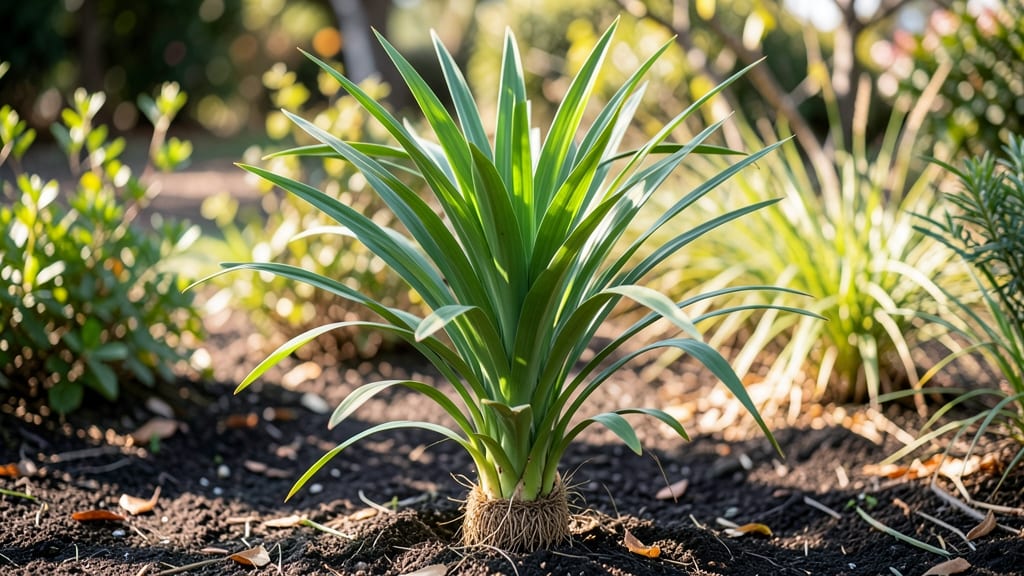
This lemongrass plant is a perennial in frost-free tropical climates but acts like an annual in colder regions, where it dies back completely when temperatures fall below 20°F (-6°C). To restart growth, you'll need to replant from cuttings or seeds once the soil warms in spring.
The is lemongrass plant a perennial hardiness depends entirely on your climate zone. 🌱 In warm regions like Florida or Hawaii, lemongrass thrives year-round, sending up new shoots from the same root system.
However, in colder zones where winter temperatures dip below freezing, the entire plant turns brown and crispy—it's not dead, just dormant. The key difference lies in their root systems: tropical perennials store energy underground to regrow, while cold-zone plants need fresh starts through propagation.
For gardeners in colder areas, the good news is that lemongrass is surprisingly easy to revive. Simply save healthy stalks before the first frost, trim the leaves, and replant the lower portion in well-draining soil once temperatures stabilize above 50°F (10°C).
Within weeks, you'll see fresh green shoots emerging—proof that this citrusy herb is more resilient than many realize.
💡 In This Article
- Lemongrass Lifespan and Cold Hardiness Explained
- Reviving Lemongrass After Frost: Step-by-Step Regrowth Guide
Lemongrass lifespan and cold hardiness explained
Lemongrass (Cymbopogon citratus) is a true tropical perennial, meaning it naturally thrives in regions where temperatures stay above 50°F (10°C) year-round.
The plant's survival strategy relies on its fibrous root system, which stores carbohydrates and nutrients to fuel regrowth during the dry season—a common adaptation in its native Southeast Asia.
When winter temperatures drop below 20°F (-6°C), these roots can't withstand the freeze, causing the entire above-ground plant to turn brown and crispy. 🌱 This isn't death—just a survival mechanism that differs dramatically from cold-hardy perennials like asparagus, which can tolerate -20°F (-29°C).
The key difference lies in lemongrass's thin, non-woody stems and delicate leaves, which lack the protective layers found in temperate perennials. In tropical climates, lemongrass grows continuously, reaching heights of 3-5 feet (1-1.5 meters) with new shoots emerging from the base every 6-8 weeks.
The plant's natural regrowth cycle involves the root system sending up fresh stalks after each harvest, creating a self-sustaining growth pattern. This contrasts sharply with annuals like basil, which complete their entire life cycle in one season and must be replanted each year.
What most gardeners don't realize is that lemongrass's cold sensitivity stems from its evolutionary adaptation to monsoon climates. The plant evolved to handle seasonal droughts through its root system, not freezing temperatures.
When you see lemongrass "die back" in winter, it's actually conserving energy—similar to how some desert plants go dormant during extreme heat. The difference is that desert plants can survive 120°F (49°C) heatwaves, while lemongrass can't handle 32°F (0°C) frosts. 🥶
Here's where the science gets interesting: lemongrass contains volatile oils (like citral and geraniol) that make its leaves aromatic and pest-repellent. These same oils, however, become more concentrated in cold weather, making the plant more susceptible to freeze damage.
When temperatures drop below 32°F (0°C), these oils can actually crystallize within the plant cells, rupturing them—a process similar to how ice crystals damage plant tissue in other freeze-sensitive species.
For comparison, consider these hardiness zones:
- Tropical perennials (Zone 10-11): Lemongrass thrives year-round with no protection
- Subtropical (Zone 9): May survive mild winters with mulch protection
- Temperate (Zone 8 and below): Dies back completely each winter, requiring replanting
The good news is that lemongrass's root system remains viable even after the plant appears dead. I've seen gardeners successfully revive plants that were buried under 6 inches (15 cm) of snow by simply waiting for spring warmth.
The roots can remain dormant for months, waiting for ideal conditions to regrow—much like how some bulbs (like lilies) survive winter underground. 🌿