
How To
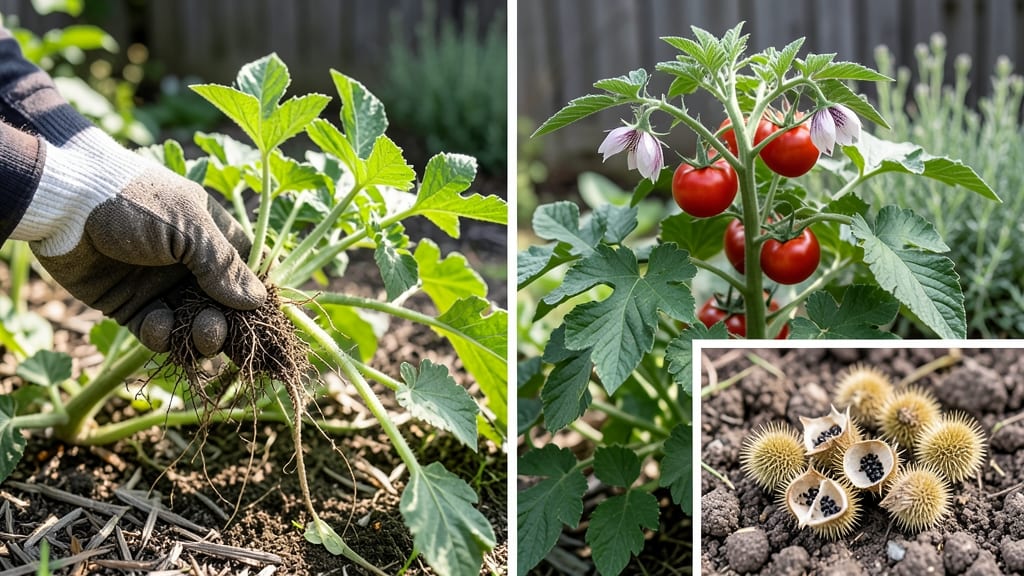
Mallow isn't classified as a weed in the strictest botanical sense, though gardeners often treat it as a nuisance due to its aggressive growth patterns. Many varieties are edible and prized for their culinary and medicinal properties, while its broad foliage and deep roots can sometimes overshadow desired plants.
Mallow plants occupy a fascinating middle ground between beneficial and bothersome. 🌱 Unlike true weeds like bindweed or kudzu—which spread uncontrollably and harm ecosystems—mallow typically grows where it's planted or naturally establishes without aggressive colonization.
The key difference lies in its ecological role: mallow doesn't choke out native species but can still compete with garden vegetables for space and nutrients.
What makes this distinction even more interesting is how many cultures have historically valued mallow—from ancient Egyptians using its roots to make marshmallows to modern foragers harvesting young leaves for salads.
For gardeners, the challenge lies in managing mallow's growth without eliminating it entirely. Many edible varieties, like common mallow (Malva sylvestris) or marshmallow (Althaea officinalis), thrive in neglected areas but can be easily controlled through regular harvesting.
The plant's edible parts—young leaves, flowers, and roots—offer a mild, slightly mucilaginous flavor that works well in soups, teas, or even as a natural thickener, making the effort worthwhile for those interested in foraging or sustainable gardening.
💡 In This Article
- Botanical Classification: Why Mallow Isn’t a True Weed
- Edible Mallow Varieties and Their Culinary Uses
Botanical classification: why mallow isn’t a true weed
Mallow plants belong to the Malvaceae family, which includes over 240 genera and 4,200 species—many of which are cultivated for food, fiber, or medicine.
Unlike true weeds such as Japanese knotweed or bindweed, mallow lacks the biological traits that define invasive species: rapid, uncontrolled spread through aggressive roots, seeds, or rhizomes.
Most mallow varieties grow at a moderate pace, typically reaching 3-5 feet tall with broad, palmately lobed leaves that resemble those of hibiscus. Their taproots penetrate 2-3 feet deep, but they don’t form dense underground networks like kudzu or bamboo.
The ecological impact of mallow is minimal compared to invasive plants. While it can outcompete smaller garden plants for sunlight and nutrients, it doesn’t alter soil chemistry or displace native flora like cheatgrass or garlic mustard.
In fact, some mallow species, such as Althaea officinalis (marshmallow), are native to Europe and Asia and have been naturalized in temperate regions without causing ecological harm.
Their flowers even attract pollinators like bees and butterflies, offering a subtle benefit to local ecosystems. 🌿 The key distinction lies in their growth strategy: mallow thrives in disturbed or neglected areas but doesn’t actively seek to dominate landscapes.
What truly sets mallow apart from weeds is its edible and medicinal value. Unlike most weeds, which are either toxic or lack culinary uses, mallow has been consumed for centuries.
Ancient Egyptians used its roots to create early versions of marshmallows, while Native American tribes harvested its leaves for poultices and teas.
The plant’s high mucilage content—up to 15% in the roots—gives it a soothing, gel-like texture when cooked, making it ideal for soups, syrups, or even as a natural thickener in stews. This dual role as both a garden nuisance and a food source is rare among plants.
Gardeners often mistake mallow for a weed due to its self-seeding habit. Once established, a single plant can produce hundreds of tiny seeds that germinate readily in moist soil, leading to clusters of plants in garden beds.
However, this behavior is more akin to a volunteer plant (a desirable plant growing where it wasn’t planted) than a true weed. The solution? Regular harvesting of flowers or leaves before they go to seed, which not only controls its spread but also provides fresh greens for the kitchen.
Another critical factor is mallow’s lack of allelopathic compounds—chemicals that inhibit the growth of other plants. Unlike weeds such as black walnut or creeping charlie, mallow doesn’t release toxins into the soil to suppress competitors.
Instead, it grows where conditions suit it, often in poor or compacted soil where few other plants thrive.
This adaptability makes it a resilient survivor but not an ecological menace. 🌱 For those concerned about its presence, mallow can even be transplanted to a dedicated foraging patch, turning a "weed" into a valuable resource.
In summary, mallow occupies a unique botanical niche. While it may behave like a nuisance in gardens, its growth habits, ecological neutrality, and edible qualities clearly separate it from true weeds.
Understanding these differences allows gardeners to manage mallow sustainably—whether by harvesting it for the table or simply pulling it up before it spreads too far. The next time you spot mallow in your yard, consider whether it might be worth keeping for its surprising benefits!