
Aphids
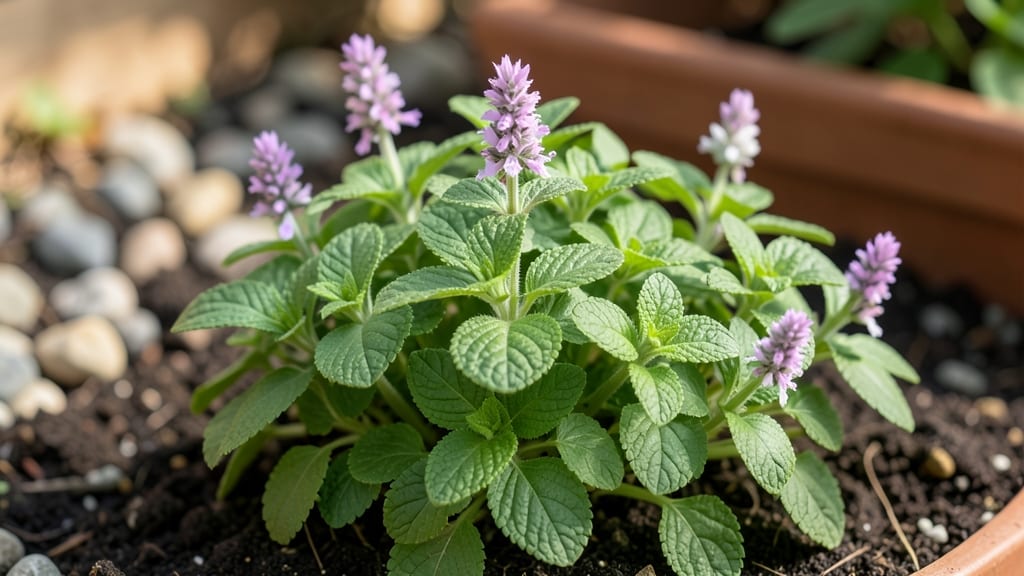
Yes, mint is a perennial plant that dies back to the ground in winter but regrows vigorously from its robust underground rhizomes each spring, thriving in USDA zones 3-11 with proper care.
Mint’s perennial nature comes from its underground rhizome system, which acts like a natural energy bank. 🌱 These horizontal stems store nutrients and water, allowing mint to "sleep" through cold winters and burst back to life when temperatures rise.
Unlike annuals that complete their life cycle in one season, mint’s rhizomes ensure it returns year after year—often spreading aggressively if left unchecked. This hardiness explains why mint thrives even in colder climates when given proper winter protection like mulch or container growing.
What sets mint apart is its adaptability—it can survive freeze-thaw cycles in zones 3-11 by going dormant above ground while its roots remain active. Many gardeners mistakenly treat it as an annual because they don’t recognize the subtle regrowth signs in early spring, like tiny shoots pushing through soil.
The key to maintaining perennial mint is controlling its spread through regular pruning and division, which actually strengthens the plant for future seasons.
💡 In This Article
- How Mint’s Rhizome System Defines Its Perennial Nature
- Growing Mint as a Perennial: Zones, Care, and Revival Tips
How mint’s rhizome system defines its perennial nature
Mint’s perennial classification stems from its specialized rhizome system, a horizontal underground stem that functions like a biological battery. These rhizomes store carbohydrates, proteins, and water reserves—up to 30% of the plant’s annual energy production—during the growing season.
When winter arrives, the above-ground foliage yellows and dies back, but the rhizomes remain dormant yet metabolically active, maintaining just enough cellular function to survive -20°F to -30°F temperatures in zones 3-11. This is why mint can regrow from just a 1-inch rhizome fragment left in the soil.
The rhizome’s structure is what truly distinguishes mint from annuals like basil or marigolds. While annuals complete their life cycle in one season and must be replanted yearly, mint’s rhizomes contain meristematic cells—undifferentiated cells capable of producing new shoots—along their entire length.
When spring temperatures reach 50°F, these cells activate, sending up new stems within 7-14 days. The rhizomes also produce auxin hormones, which stimulate root growth while suppressing competitors nearby, explaining mint’s notorious spread.
What’s fascinating is how mint’s rhizomes adapt to environmental stress. Under drought conditions, they can reduce water loss by 50% through specialized cell walls, while in cold climates, they produce antifreeze proteins similar to those in winter wheat.
This dual resilience means mint doesn’t just survive winters—it recharges its energy stores during dormancy, emerging stronger than before. Compare this to true perennials like lavender, which have woody stems, or biennials like parsley, which store energy in taproots—mint’s rhizomes give it a hybrid advantage.
Here’s the botanical secret: mint’s rhizomes grow at a 1-2 inch per month rate in ideal conditions, creating a network that can spread 3-6 feet in a season if unchecked.
Each node along the rhizome has the potential to become an independent plant, which is why gardeners often divide established clumps in early spring. This aggressive growth isn’t just survival—it’s a reproductive strategy that ensures the plant’s dominance in its ecosystem, much like bamboo’s running rhizomes.
The visual difference between mint’s rhizomes and other perennials is striking. While plants like hostas have thick, vertical roots, mint’s rhizomes are thin, segmented, and branching, often forming a web-like structure just below the soil surface.
When you dig up mint, you’ll notice these segments have tiny buds at each joint—each capable of sprouting into a new plant. This is why even a small piece left in the ground can regenerate an entire patch within months.
Understanding this system explains why mint can thrive in containers, hanging baskets, or even cracks in pavement—it doesn’t need deep soil. The rhizomes only require 3-4 inches of loose, well-draining soil to access moisture and nutrients.
This adaptability is what makes mint the ultimate survivor among herbs, capable of outlasting annuals by decades with minimal care.