
Planting
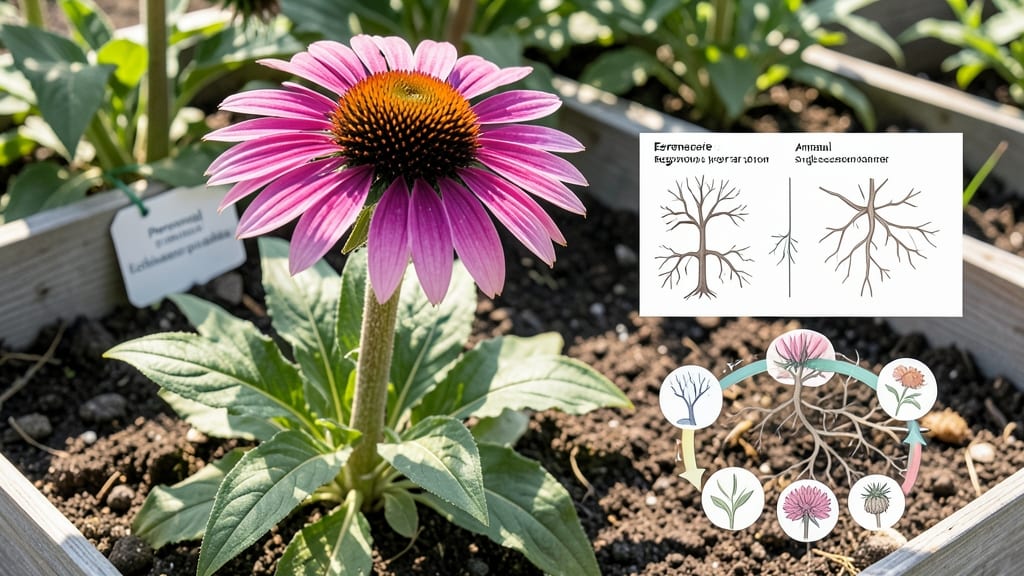
Perennial plants mean they live for three or more years, regenerating each season from the same root system rather than completing their life cycle in one or two years like annuals or biennials. This hardiness makes them ideal for gardens, reducing replanting efforts while providing long-term beauty.
A perennial plant thrives because its root system stores energy underground during dormancy, allowing it to push new growth each spring. 🌱 Unlike annuals that die after flowering, perennials like hostas or coneflowers return stronger yearly, often with minimal care.
This resilience makes them perfect for low-maintenance landscapes, though some may need winter protection in colder climates.
What sets perennials apart is their adaptability—many thrive in specific conditions, from sun-loving lavender to shade-tolerant ferns. I always recommend checking a plant's hardiness zone before buying, as this determines its long-term success in your area.
Native perennials often require less water and fertilizer, making them both eco-friendly and cost-effective choices.
💡 In This Article
- How Perennial Plants Survive Multiple Growing Seasons
- Choosing Perennial Plants for Your Garden: Best Species by Climate and Use
How perennial plants survive multiple growing seasons
The secret to a perennial's longevity lies in its root system, which acts like a biological battery. Unlike annuals that rely on a single growing season, perennials develop deep, complex roots that store carbohydrates like starches and sugars.
These reserves fuel regrowth each spring, even after harsh winters. For example, a peony can store enough energy in its roots to produce flowers for decades without replanting.
Dormancy is another key survival strategy. During cold months, perennials enter a metabolic slowdown, reducing water loss and conserving energy. Some, like hostas, produce antifreeze proteins that protect their cells from freezing, while others, such as black-eyed Susans, rely on thick, woody stems to insulate their growing points.
This adaptability allows them to thrive in zones ranging from USDA Zone 3 (extreme cold) to Zone 10 (mild winters).
Perennials also outcompete annuals in regeneration. While annuals die after flowering, perennials often produce new shoots from their crowns or underground stems called rhizomes (like in iris) or tubers (like in peony).
This built-in backup system ensures they bounce back even if above-ground growth is damaged by frost or pests. 🌿 The trade-off? Their slower initial growth compared to annuals, which is why perennials often take 2-3 years to reach full maturity.
Environmental resilience is where perennials truly shine. Many have evolved to tolerate drought (e.g., sedum) or flooding (e.g., cattails) by developing specialized root structures.
For instance, purple coneflower roots grow 3-5 feet deep, accessing water far below the surface, while mosses (technically perennials) survive extreme conditions by absorbing moisture from the air. This adaptability makes them the backbone of sustainable gardens.
Comparing perennials to biennials reveals another layer of their advantage. Biennials, like carrots or foxgloves, focus energy on leaf growth their first year and flowering their second before dying. Perennials, however, balance energy between growth, flowering, and storage year-round.
This dual strategy explains why a daylily can produce vibrant blooms for 20+ years with minimal intervention, while a biennial like hollyhock fades after its second summer.
One misconception is that all perennials are low-maintenance. While many are, some—like bleeding heart—require careful winter mulching in colder climates to prevent root heave (when freezing/thawing cycles push roots above ground).
The key is matching the plant's native habitat to your garden's conditions. For example, Mediterranean perennials like lavender thrive in poor, dry soil but struggle in humid climates without proper drainage. 🌍