
Flowers
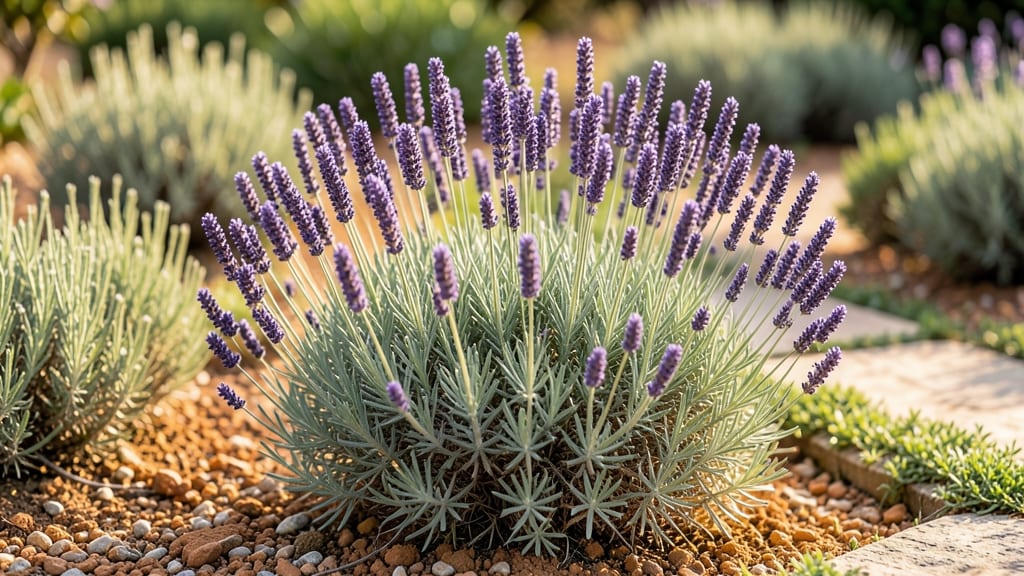
Munstead lavender is a perennial plant that thrives by storing energy in its root system during winter, allowing it to regrow fresh stems each spring after the previous year's woody growth naturally withers away.
This dieback isn't a sign of poor health—it's actually how Munstead lavender prepares for winter. Unlike evergreen varieties, its stems turn brown and crispy when temperatures drop, but the roots stay alive underground, storing nutrients to fuel new growth when spring arrives. 🌱 The key difference?
Munstead lavender prioritizes root health over keeping its stems alive year-round, which makes it more resilient in colder climates than its evergreen cousins. This survival strategy also means you'll never have to worry about deadheading—nature does it for you!
What's fascinating is how this process works: as temperatures fall below 20°F, the plant's growth hormones shift focus entirely to the roots. This dormancy period actually strengthens the plant—think of it like hibernation for your garden.
The brown stems you see in winter? They're just empty husks that'll disappear completely once new shoots emerge in spring.
💡 In This Article
- Why Munstead Lavender Dies Back Annually
- Caring for Munstead Lavender After Dieback
Why Munstead lavender dies back annually
Munstead lavender's annual dieback is a survival mechanism tied to its cold hardiness and root-based energy storage system. Unlike evergreen lavender varieties that maintain green foliage year-round, Munstead lavender prioritizes root development and nutrient storage.
When temperatures drop below 20°F, the plant's growth hormones trigger stem dormancy, causing the above-ground growth to turn brown and crispy. This process conserves energy that would otherwise be spent maintaining woody stems during winter.
The roots remain active underground, storing carbohydrates and nutrients in specialized cells that act like a natural battery. These root reserves fuel the plant's rapid regrowth in spring, often producing 12-18 inches of new growth within just 4-6 weeks after the last frost.
The dieback also prevents disease buildup in old stems, similar to how deciduous trees shed leaves to conserve resources during winter dormancy. 🌿
This survival strategy gives Munstead lavender a distinct advantage in colder climates. While evergreen lavenders may struggle with winter burn or dieback in zones colder than Zone 5, Munstead lavender thrives in Zones 5-9 because its root system can withstand temperatures as low as -20°F.
The trade-off is the annual stem renewal, but this actually makes the plant more resilient against pests and diseases that target older, woody growth.
What's particularly interesting is how temperature fluctuations trigger regrowth. When daytime temperatures consistently reach 50°F for several days, the roots detect this signal and begin producing auxin hormones that stimulate new shoot formation. This precise temperature sensitivity ensures the plant doesn't waste energy on premature growth during late winter thaws.
The new shoots emerge from the base of the plant, often in clusters that create that signature Munstead lavender bush shape.
The annual dieback also creates a natural pruning effect. As the old stems decompose, they return nutrients to the soil, enriching the plant's growing environment. This self-sustaining cycle means Munstead lavender requires minimal intervention from gardeners—unlike evergreen varieties that may need regular trimming to maintain shape and health.
The brown winter stems serve as a visual reminder of this plant's clever survival strategy. ✨
For comparison, consider how this differs from annual lavender varieties that complete their entire life cycle in one growing season. Munstead lavender's perennial nature means it can live for 10-15 years or more with proper care, making it an excellent long-term investment for gardeners in cooler climates.
The dieback isn't a sign of weakness—it's evidence of the plant's sophisticated adaptation to seasonal changes.