
Advice
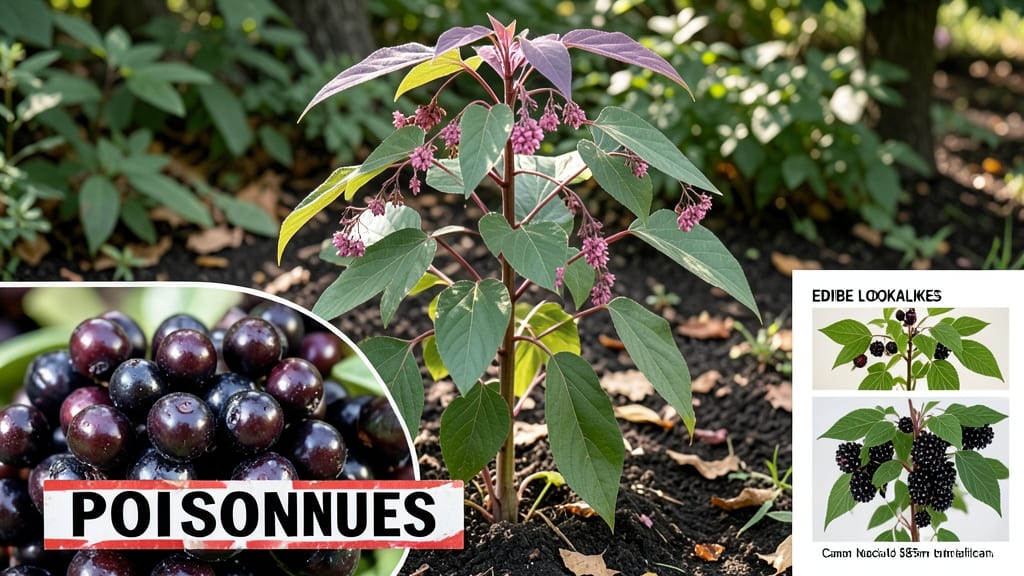
Yes, pokeweed is poisonous, particularly its berries and roots, which contain dangerous compounds like phytolaccatoxin that can trigger severe vomiting, diarrhea, and even organ damage if consumed. Even skin contact without gloves may cause irritation or allergic reactions.
Pokeweed's toxicity isn't just limited to berries—every part of the plant carries risks, though the concentration varies. 🌿 The leaves contain lower toxin levels than roots or berries, but they're still unsafe to eat raw or cooked.
Even animals like deer avoid mature plants, which is a natural warning sign. If you suspect accidental ingestion, seek medical help immediately, as symptoms can escalate quickly depending on the amount consumed.
What makes this plant particularly dangerous is how easily its berries are mistaken for edible fruits. Their deep purple color and juicy appearance can fool both humans and pets, leading to accidental poisonings. I always recommend treating any wild berries with extreme caution—when in doubt, leave it out.
💡 In This Article
- Toxic Compounds in Pokeweed: Berries, Roots, and Leaf Risks
- Safe Handling and Removal: Gloves, Disposal, and Garden Alternatives
Toxic compounds in pokeweed: berries, roots, and leaf risks
The real danger in pokeweed comes from its chemical arsenal, with phytolaccatoxin being the most potent toxin found in all plant parts, especially the berries and roots.
This compound disrupts cellular function by inhibiting protein synthesis, leading to symptoms like severe nausea, abdominal pain, and even respiratory distress in extreme cases. The berries contain the highest concentration—just 10-20 berries can cause poisoning in adults, while children may react to even fewer.
Roots pack a similar punch, containing phytolaccigenin and phytolaccoside, which act as irritants and can cause burning sensations in the mouth and throat if chewed. Leaves, while less toxic, still contain phytolaccic acid, which may trigger skin irritation or gastrointestinal upset if ingested.
Interestingly, the toxicity increases as the plant matures—young shoots contain lower toxin levels, but they're still unsafe to eat raw. Cooking doesn't neutralize these compounds, so no preparation method makes pokeweed safe.
Animals provide a natural warning system: deer and livestock avoid mature pokeweed, and even birds typically ignore its berries. This avoidance behavior highlights how dangerous the plant is in its natural ecosystem.
Pets are particularly vulnerable—dogs and cats may ingest berries while exploring, leading to symptoms like drooling, lethargy, or seizures. The key takeaway? Never assume a plant is safe just because it looks appealing or grows in your yard.
What most people don't realize is how toxin levels vary by plant part and season. Berries ripen in late summer to fall, reaching peak toxicity when fully purple. Roots, harvested in early spring, contain the highest concentrations of irritating compounds.
Even the sap can cause skin irritation, making it a triple threat—ingestion, contact, and inhalation risks. The plant's ability to thrive in disturbed soils (like gardens or roadside edges) only increases the chances of accidental exposure.
For comparison, pokeweed's toxicity rivals that of oleander or castor beans, though its symptoms develop more gradually. Unlike some toxins that cause immediate reactions, pokeweed's effects may take 6-12 hours to manifest, making early intervention critical.
This delayed onset is why cases often escalate before people seek help, especially when children or pets are involved.
One surprising detail: Native Americans historically used pokeweed medicinally in very controlled doses, but only after extensive preparation to reduce toxins. They relied on traditional knowledge to distinguish safe uses from dangerous ones—a practice that's lost on modern foragers.
Today, even these traditional methods aren't recommended due to the unpredictable nature of toxin concentrations. 🌿