
Flowers
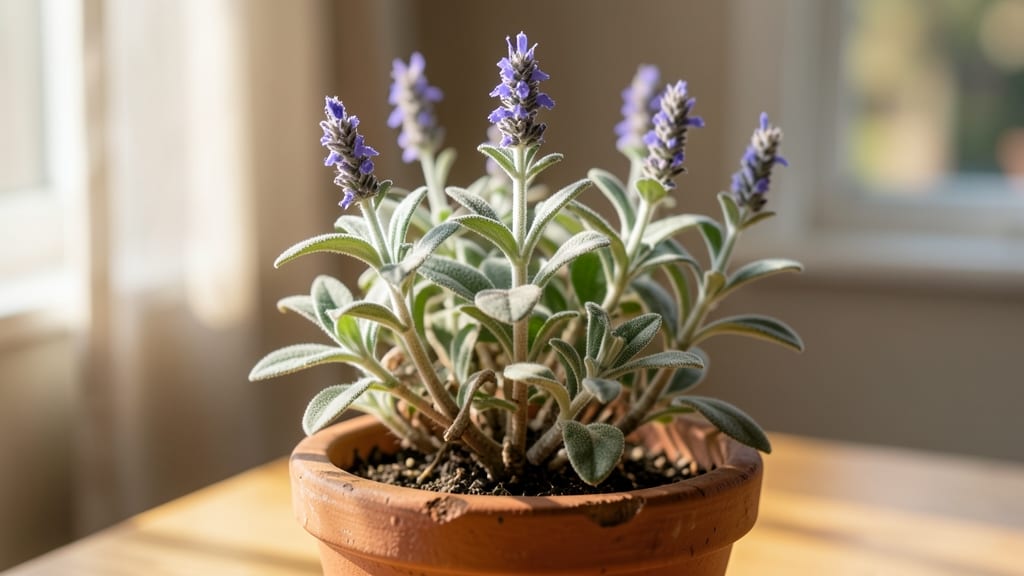
Yes, sage is a perennial plant that can live for multiple years—typically 5-7 years or longer—when given the right care. Cold-resistant varieties like common sage (Salvia officinalis) regrow each year if pruned properly and shielded from extreme winter conditions.
Sage earns its perennial reputation thanks to its hardy, woody stems and deep root systems that store nutrients for regrowth.
Unlike annual herbs that complete their life cycle in one season, sage enters a natural dormancy during winter, then rebounds with fresh foliage when temperatures warm. 🔥 I’ve seen gardeners in zones 5-8 grow the same sage plants for over a decade with minimal effort—just consistent pruning and protection from harsh freezes.
The key is understanding its growth rhythm: it thrives in well-drained soil and full sun, which helps it build resilience against pests and drought.
What sets sage apart is its ability to adapt across climates. While it prefers temperate zones, some varieties handle heat and humidity surprisingly well. The secret lies in its drought tolerance—once established, sage rarely needs extra watering.
This makes it a low-maintenance perennial that rewards gardeners with years of aromatic leaves for cooking and crafts.
💡 In This Article
- Sage’s Lifespan: Why It Thrives as a Perennial
- Pruning Sage for Long-Term Health and Regrowth
Sage’s lifespan: why it thrives as a perennial
Sage's perennial nature stems from its unique botanical adaptations, particularly its woody stems and deep taproot system. Unlike annual herbs that die back after flowering, sage develops a persistent woody base that stores energy for regrowth.
This root system can extend 2-3 feet deep, accessing moisture and nutrients even during droughts—a trait that explains why established sage plants survive with minimal watering. 🌱 The plant’s ability to enter seasonal dormancy during winter further protects it, allowing it to rebound when temperatures rise.
The growth cycle of sage contrasts sharply with annual herbs like basil or cilantro. While annuals focus all energy on flowering and seed production in one season, sage allocates resources to building structural resilience.
Its leaves contain volatile oils (like thujone and camphor) that deter pests, reducing the need for chemical interventions. This hardiness is why sage thrives in USDA zones 5-8, though some varieties extend into zone 4 with winter protection.
Climate adaptability is another key factor. Sage handles both heat and cold surprisingly well. In hot climates, its silvery-green leaves reflect sunlight, preventing overheating, while in colder regions, its woody stems insulate the plant’s core.
The trade-off? Sage prefers well-drained soil—poor drainage leads to root rot, which can kill even a perennial. This explains why gardeners in humid areas often plant sage on raised beds or slopes.
Seasonal dormancy is where sage’s perennial magic happens. As temperatures drop below 40°F, the plant sheds older leaves and conserves energy in its roots. By spring, new growth emerges from the base, often 2-3 weeks earlier than annual herbs.
This early rebound gives sage a competitive edge in the garden, allowing it to outlast many other plants. 🌿 The result? A low-maintenance herb that keeps producing flavorful leaves year after year with proper care.
Consider this comparison: Annual herbs like dill or parsley complete their life cycle in 60-90 days, while sage can live for decades if pruned correctly. The secret lies in its ability to balance growth and preservation—something annuals simply can’t do.
This is why sage remains a staple in both kitchen gardens and medicinal herb plots worldwide.