
Flowers
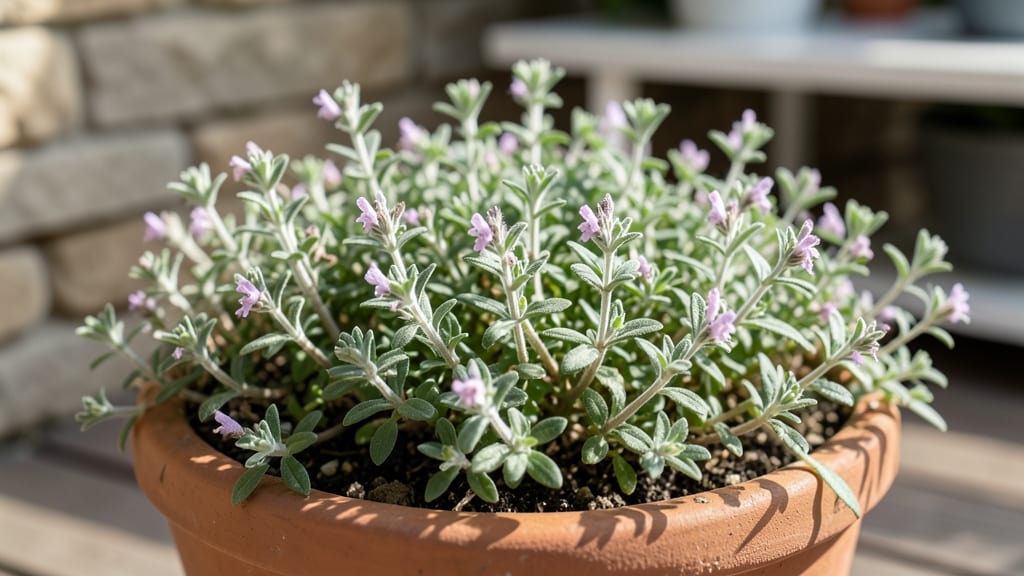
Yes, thyme is a perennial herb that dies back to the ground in winter but regrows from its hardy root system each spring, thriving in USDA zones 5-9 with proper care and well-drained soil.
Thyme's perennial nature comes from its deep, woody roots that store energy during winter dormancy. 🌱 Unlike annuals that complete their life cycle in one season, thyme's roots remain alive underground, ready to sprout new growth when temperatures rise.
This makes it a low-maintenance choice for gardeners in cold climates, as long as you provide well-draining soil and avoid overwatering during its dormant phase.
What sets thyme apart is its ability to regenerate year after year with minimal intervention. Many gardeners mistakenly think it's an annual because it looks dead in winter, but those brown stems are just waiting for spring warmth to reveal fresh green foliage.
The key to keeping thyme thriving as a perennial is proper pruning after flowering and avoiding soggy soil conditions that can rot the roots.
💡 In This Article
- How Thyme Survives Winter Dieback
- Cultivating Thyme as a Perennial: Pruning and Soil Tips
How thyme survives winter dieback
Thyme's winter survival strategy begins with its specialized root system. Unlike annual herbs that complete their life cycle in a single season, thyme develops a deep, woody root structure that acts as an underground energy reserve.
These roots contain starches and sugars that serve as fuel during dormancy, allowing the plant to withstand freezing temperatures down to -20°F in protected microclimates.
The above-ground stems die back because they're not equipped with the same cold resistance, but the root crown remains alive and protected just below the soil surface.
The dormancy process is triggered by shorter daylight hours and cooler temperatures, which signal the plant to conserve energy. Thyme's leaves contain specialized cells that produce antioxidants to protect cellular structures from frost damage, while the roots maintain a semi-dormant state where metabolic activity slows dramatically.
This adaptation is similar to how perennial grasses like fescue survive winter - both plants prioritize root preservation over above-ground growth during cold months. In USDA zones 5-9, thyme's roots can remain viable even after snow cover insulates the soil for months.
Regrowth begins when soil temperatures rise above 40°F in spring, typically between March and May depending on your location. The root crown sends out new shoots that emerge from the soil surface, often within 2-3 weeks of consistent warmth.
You'll notice the fresh growth appears from the base of the plant rather than the tips, which is how you can distinguish true regrowth from new plantings.
This process demonstrates why thyme is classified as a hardy perennial - it's not just surviving winter, but actively preparing for the next growing season through its root system.
One common misconception is that thyme's winter dieback means it's dead. The brown stems are actually a protective mechanism - they reduce water loss and prevent frost damage to the emerging buds.
In colder zones (like zone 5), mulching with 2-3 inches of organic matter can provide additional insulation, while in warmer zones (zone 9), winter rains can sometimes cause rot if drainage isn't adequate.
The key difference between annual and perennial herbs becomes clear when you observe this precise timing of dieback and regrowth cycle.
Thyme's survival strategy also includes its aromatic compounds. The essential oils in thyme leaves contain compounds like thymol that have natural antifungal properties, helping protect the plant from soil-borne pathogens during dormancy.
This chemical defense system works alongside the physical protection of the root system, creating a two-pronged approach to winter survival. When you see thyme regrow each spring, you're witnessing the culmination of these sophisticated botanical adaptations at work.
For gardeners in transition zones (like zone 8), winter care becomes particularly important. While thyme can handle some frost, heavy snow accumulation can cause stems to break and rot. Gently brushing snow off plants in late winter prevents this damage while allowing sunlight to reach the crown.
The plant's ability to regrow from just a few inches of remaining stem demonstrates its remarkable resilience - a testament to why thyme has been cultivated for centuries across diverse climates.