
How To
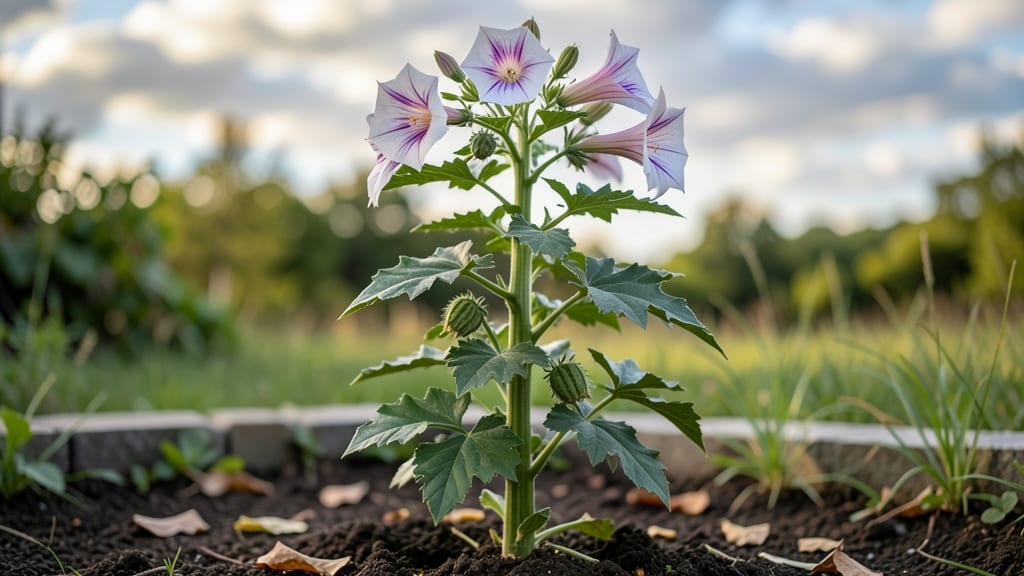
Growing datura stramonium—jimson weed—is like cultivating a botanical double agent: stunningly beautiful yet fiercely protective of its secrets. 🌿 The large, trumpet-shaped blooms and silvery foliage make it a standout in cottage gardens, but its reputation as a toxic plant demands respect.
I've grown it for years, and while it thrives with minimal fuss, understanding its quirks is key to success—and safety. This plant demands full sun and well-draining soil, but it’s surprisingly drought-tolerant once established. Seeds are the easiest way to start, though cuttings work too if you’re patient.
Just remember: all parts of the plant are poisonous, so gloves and careful handling are a must. The trade-off? Hummingbirds and moths adore its nectar-rich flowers, making it a magnet for pollinators.
You’ll see those iconic white or lavender blooms within 8-10 weeks of planting, and the plants can grow 4-6 feet tall with proper care. The real challenge? Controlling self-seeding—datura spreads aggressively, so deadhead spent blooms if you don’t want a jungle next season.
The intoxicating scent alone makes it worth the effort, though. Whether you’re growing it for its dramatic foliage, pollinator support, or sheer botanical intrigue, datura rewards those who treat it with caution and curiosity. Just keep kids and pets far away—this isn’t a plant for casual handling.
📚 In This Guide
- What you need
- Instructions
- Tips and common mistakes
- Wrapping up and next steps
What you need
- ● Jimson Weed Seeds: 10–20 seeds (ensure they’re fresh or stored properly in a cool, dry place).
- ● Growing Containers or Garden Bed: For containers: 5–10 gallon pots with drainage holes (1–2 plants per pot).
- ● For in-ground planting: Well-draining soil in a sunny, sheltered location (full sun, 6+ hours/day).
- ● Potting Soil or Garden Soil: 2–3 cubic feet of high-quality, well-draining soil (mix in perlite or sand for aeration if needed).
- ● Watering Can or Hose: With a gentle spray nozzle to avoid disturbing seedlings.
- ● Gloves (Thick, Heavy-Duty): Jimson Weed has thorny seed pods and can irritate skin.
- ● Pruning Shears: Sharp, sterilized shears for trimming dead foliage or harvesting.
- ● Labeling Tags: Waterproof markers to label plants (Jimson Weed is toxic—safety first!).
- ● Compost or Fertilizer: Balanced organic fertilizer (10-10-10) for nutrient boosts during growth.
- ● Mulch: Straw or wood chips to retain moisture and suppress weeds.
- ● Trellis or Stakes: For larger varieties (some Datura stramonium can grow 3–5 feet tall!).
- ● Pest Control: Neem oil or insecticidal soap (to deter aphids or spider mites).
- ● Harvesting Basket: A breathable mesh bag to collect seed pods safely.
Step-by-step instructions for cultivating Jimson weed (datura stramonium)
Here's how to coax these striking night-blooming beauties from seed to maturity with confidence.
🌱 Step 1: Prepare Seeds and Planting Medium
Jimson weed seeds have a tough outer coating that benefits from pre-treatment. Soak seeds in warm water for 24 hours to soften the shell and speed germination. I use a small glass jar with a loose lid to prevent mold while allowing airflow.
After soaking, plant seeds ¼ inch deep in a well-draining mix of 50% potting soil and 50% perlite. The perlite prevents the soil from becoming waterlogged, which is critical since Jimson weed roots are sensitive to rot. Use individual pots for each seed to avoid transplant shock later.
☀️ Step 2: Provide Ideal Germination Conditions
Jimson weed seeds thrive in warmth, so maintain soil temperatures between 70-85°F using a seedling heat mat if needed. Place pots in a location with bright, indirect light—direct sun can overheat the soil during germination.
Keep the soil consistently moist but never soggy. A spray bottle works best to avoid displacing seeds. Germination typically occurs in 10-21 days, though some seeds may take longer. Patience is key—don’t disturb the soil while waiting.
🌿 Step 3: Transplant Seedlings to Larger Containers
Once seedlings develop their first true leaves (not the initial seed leaves), they’re ready to move to larger pots or the garden. Choose containers with at least 6 inches of depth to accommodate their deep taproots.
Transplant carefully, as Jimson weed seedlings are delicate. Bury the stem slightly deeper than before to encourage stability. After transplanting, water thoroughly to settle the soil around the roots, but avoid overwatering—this plant prefers drier conditions once established.
✂️ Step 4: Maintain Growth with Pruning and Support
Jimson weed grows rapidly, often reaching 4-5 feet tall in a single season. Provide sturdy stakes or cages early to support the heavy blooms and prevent toppling. The plant’s spiky seed pods add weight, so reinforcement is essential.
Prune selectively to encourage bushier growth. Pinch back the tips of young plants to promote branching, but avoid heavy pruning once flowering begins. Deadhead spent blooms to redirect energy toward new flowers, though the plant often self-seeds prolifically.
🌙 Step 5: Monitor for Pests and Environmental Needs
Jimson weed is generally pest-resistant, but watch for aphids or spider mites, which can stress the plant. A strong spray of water usually dislodges them, but severe infestations may require neem oil. The plant thrives in full sun but tolerates partial shade in hot climates.
Water deeply but infrequently—once established, Jimson weed is drought-tolerant. Overwatering leads to root rot, so let the soil dry out between waterings. The plant’s striking, trumpet-shaped flowers bloom at night, attracting moths and adding a mystical touch to the garden.
Tips & tricks for thriving Jimson weed cultivation
These botanical secrets will help you navigate the quirks of growing Jimson weed with confidence.
Seed Prep Strategy: The 24-hour warm water soak is non-negotiable—it breaks the seed's tough outer shell while preventing mold by using a loose-lid jar. For even better results, place the jar in a warm spot (around 85°F) to accelerate the softening process. I've found that using distilled water reduces mineral buildup that could inhibit germination.
Soil Composition Insight: That 50/50 potting soil-perlite mix isn't just about drainage—it's about creating an oxygen-rich environment for the delicate taproots. If you're using garden soil, amend it with 30% perlite or vermiculite to prevent compaction. The roots will thank you with faster establishment and better nutrient uptake.
Transplanting Technique: When moving seedlings to their 6-inch-deep containers, I recommend using a dibble tool to create perfect planting holes. This prevents root damage and ensures proper depth placement. The slight stem burial you should do creates a stronger root base—think of it as giving the plant a head start on stability before it faces the weight of those heavy blooms.
Pest Prevention: While Jimson weed is naturally resistant, those aphids and spider mites can still appear. I've found that introducing ladybugs early provides natural pest control without chemicals. If you notice webbing, immediately isolate the plant and treat with insecticidal soap—early intervention prevents systemic stress that could affect flowering.
Pro Tips for Jimson Weed Datura Stramonium
- These botanical secrets will help you navigate the quirks of growing Jimson weed with confidence.
- Seed Prep Strategy: The 24-hour warm water soak is non-negotiable—it breaks the seed's tough outer shell while preventing mold by using a loose-lid jar.
- Soil Composition Insight: That 50/50 potting soil-perlite mix isn't just about drainage—it's about creating an oxygen-rich environment for the delicate taproots.
Frequently asked questions
Got questions about growing jimson weed (Datura stramonium)?
Here are answers to the most common ones—from timing to troubleshooting—so you can cultivate these striking plants with confidence!
How long does it take for jimson weed seeds to germinate?
Jimson weed seeds can take 10–30 days to germinate, depending on soil temperature and moisture. For faster sprouting, soak seeds overnight in warm water and plant in well-draining soil at 70–80°F (21–27°C). Patience is key—some seeds may surprise you with sudden growth!
When is the best time to plant jimson weed seeds?
Plant seeds in late spring or early summer after the last frost, when soil is warm. Jimson weed thrives in heat and prefers full sun. If you live in a cooler climate, start seeds indoors 6–8 weeks before the last frost for a head start.
Why aren’t my jimson weed plants growing tall?
Slow growth is often due to poor soil, lack of sunlight, or overcrowding. Ensure your plants get 6+ hours of direct sun daily and space them 18–24 inches apart. Amend soil with compost for nutrients, and avoid overwatering—jimson weed prefers dry conditions once established.
Is jimson weed safe to grow around pets or kids?
No!
Every part of jimson weed—seeds, leaves, and flowers—is highly toxic if ingested. Keep plants in a secure, enclosed garden or container, and store seeds out of reach. Symptoms of poisoning include hallucinations, rapid heartbeat, and confusion—seek vet help immediately if exposure occurs.
Can I grow jimson weed indoors?
Yes, but it’s tricky! Jimson weed needs bright light (grow lights work) and a warm, humid environment. Use a large pot (10+ inches deep) with well-draining soil. Expect slower growth indoors—outdoor conditions are ideal for these sun-loving plants.
Wrapping up and next steps
Growing Jimson weed (Datura stramonium) is a rewarding journey for plant enthusiasts—just remember, its beauty comes with serious caution. With the right soil, sunlight, and patience, you’ll unlock its striking blooms and unique botanical secrets.
Always prioritize safety: wear gloves, avoid ingestion, and keep it away from pets and children.
Ready to dive deeper? Start small—try growing a single plant in a controlled space—and gradually expand your knowledge. Happy gardening! 🌱✨