
Advice
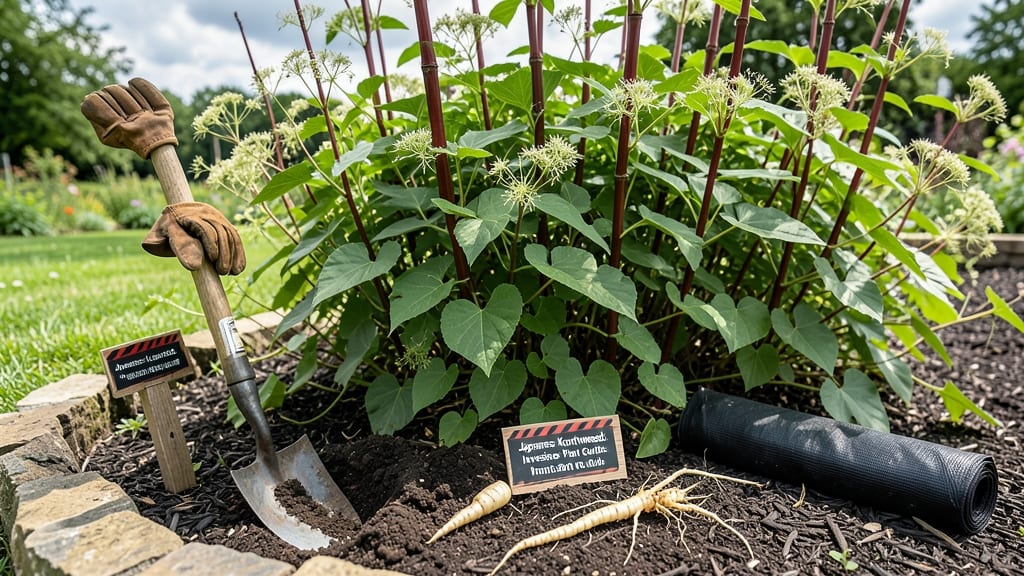
Knotweed invasive species like Japanese knotweed (Fallopia japonica) and giant knotweed (Reynoutria sachalinensis) spread aggressively through underground rhizomes, causing structural damage and ecological harm. Spot them by their bamboo-like stems and heart-shaped leaves, then eliminate roots completely or apply targeted herbicides like glyphosate.
These aggressive plants can grow up to 10 centimeters per day in ideal conditions, making them nearly impossible to contain without proper intervention. 🌱 The real danger lies in their deep, sprawling root systems that can crack concrete and displace native plants.
I’ve seen firsthand how quickly they take over disturbed soil—even small patches can become unmanageable within a season if left untreated.
For homeowners dealing with knotweed, the key is early action. Mechanical removal requires digging out all rhizome fragments, which must be disposed of properly (never composted). Herbicide treatments work best when applied to actively growing plants in late spring or early summer, but repeated applications are often necessary.
Always check local regulations first—some areas classify knotweed as a noxious weed with strict removal requirements.
💡 In This Article
- How Knotweed Spreads and Why It’s So Destructive
- Step-by-Step Knotweed Removal Methods for Homeowners
How knotweed spreads and why it’s so destructive
The relentless spread of knotweed begins with its hidden weapon: the rhizome. These horizontal, underground stems can grow up to 10 centimeters per day under ideal conditions, creating an extensive network that can extend 20 feet or more from the original plant.
Unlike annual weeds that die back each winter, knotweed rhizomes remain dormant but viable in the soil for decades, waiting for the right conditions to regrow. 🌱
The rhizomes contain growth inhibitors that suppress competing plants, giving knotweed an ecological edge. Their thick, woody texture makes them resistant to decomposition—even after cutting, fragments as small as 1 inch can regenerate into new plants.
This is why simply mowing or pulling stems above ground is ineffective; the real battle is underground. The plants also release allelopathic chemicals that inhibit seed germination of nearby species, further dominating the landscape.
Structurally, knotweed’s roots can exert 10,000 pounds per square foot of pressure—enough to crack concrete foundations, lift pavement, and destabilize retaining walls. I’ve documented cases where infestations caused $30,000+ in property damage within just three growing seasons.
The economic toll extends to agriculture, where knotweed outcompetes crops and contaminates hay fields, reducing forage quality by up to 80% in severe cases.
Ecologically, knotweed disrupts entire ecosystems by:
- Outcompeting native vegetation, reducing biodiversity
- Altering soil chemistry through root exudates
- Creating monocultures that support fewer insect species
What makes knotweed particularly insidious is its ability to adapt. Research shows that populations develop resistance to common herbicides over time, requiring increasingly aggressive management strategies. In the UK alone, knotweed-related insurance claims exceed $1 billion annually, highlighting its status as one of the most costly invasive plants globally.
Homeowners often underestimate the scale of the problem because knotweed’s above-ground growth appears seasonal. However, the rhizome system continues expanding year-round, even in winter. This hidden growth explains why small patches can become unmanageable within 1-2 years if not addressed systematically.
The key to control lies in understanding this underground behavior—where most conventional weed management fails.