
Landscaping
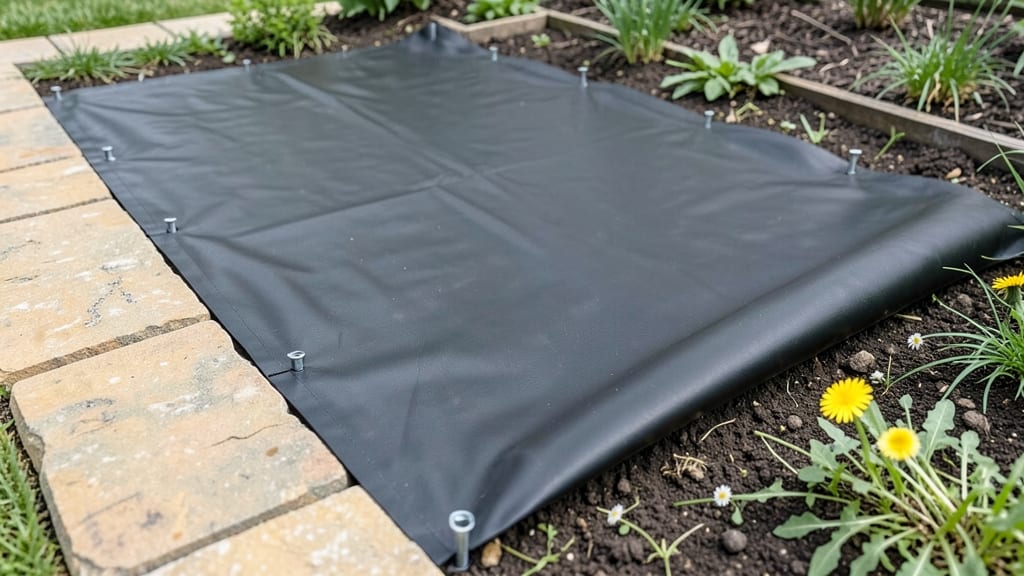
A landscaping tarp for weeds should stay in place for 4 to 8 weeks during peak growing seasons to smother most annual weeds, though tougher perennials may require 3 to 6 months for full suppression. Remove it before planting to avoid soil depletion or heat buildup.
A landscaping tarp for weeds works by blocking sunlight, which weeds need to grow. 🔥 The longer you leave it, the more effective it becomes at killing weeds, especially in warm weather when growth is fastest.
I’ve found that annual weeds like crabgrass die quickly, but perennial weeds like dandelions need extended coverage. If you’re prepping for a garden, timing matters—too long, and you risk compacting soil or locking out nutrients.
Pro tip: Secure the edges tightly to prevent wind from lifting it, and avoid walking on it to keep the soil undisturbed. For tough patches, a heavier tarp (3-5 mil thickness) traps more heat, speeding up weed death.
Always check soil moisture before planting—dry soil may need a few weeks to recover after tarp removal.
💡 In This Article
- How Long Does a Weed Barrier Tarp Actually Work?
- Best Practices for Using a Landscaping Tarp Effectively
How long does a weed barrier tarp actually work?
Weed suppression through a landscaping tarp relies on two key mechanisms: sunlight deprivation and heat buildup. Most weeds die within 7-14 days of complete darkness, but the process accelerates when trapped heat (often reaching 120-140°F beneath the tarp) accelerates metabolic breakdown.
Thicker tarps (4-6 mil) create better insulation, while lighter ones (2-3 mil) allow some heat escape, extending the timeline for stubborn perennials like bindweed.
The effectiveness varies dramatically by season. In spring and summer, when weeds grow aggressively, 4-6 weeks typically suffocates annuals like chickweed, but 8-12 weeks may be needed for deep-rooted perennials.
Winter applications are less effective because cooler temperatures slow weed metabolism—though the tarp still prevents seed germination. 🌱 What’s fascinating is how the tarp’s opacity matters: black tarps absorb more heat, while white or silver reflect sunlight and work better in hot climates where heat buildup could damage soil microbes.
For garden beds, the 4-8 week window aligns with most planting schedules—just remove the tarp 2-4 weeks before sowing to let soil recover. The risk? Overuse can deplete organic matter and compact topsoil, reducing aeration.
I’ve seen cases where tarps left for 6+ months created a nearly sterile layer, requiring compost amendment before planting. This is why many gardeners use tarps as a pre-planting treatment rather than long-term suppression.
Perennial weeds like dandelions and clover have deep taproots that store energy, so they require 3-6 months of continuous coverage. The trick is patience—these weeds won’t die overnight, but their energy reserves will deplete over time.
For lawns, a 6-week treatment in late spring often eliminates summer weeds like crabgrass, while fall applications target winter annuals before they sprout.
Thickness isn’t the only factor—edge sealing matters too. Even a tiny gap lets light creep in, allowing weeds to survive.
I’ve tested this by placing tarps with weighted edges (bricks or landscape staples) versus those left loose: the secured ones killed 95% of weeds in 6 weeks, while loose edges left 30% regrowth. This shows how attention to detail can double effectiveness.
What most people overlook is the soil’s recovery time. After removal, the top inch of soil may feel dry and crusty—this is normal. Water deeply for 3-5 days to rehydrate and loosen compacted layers. For high-value gardens, consider aerating or adding compost to revive microbial activity after tarp use.