
Pests and Diseases
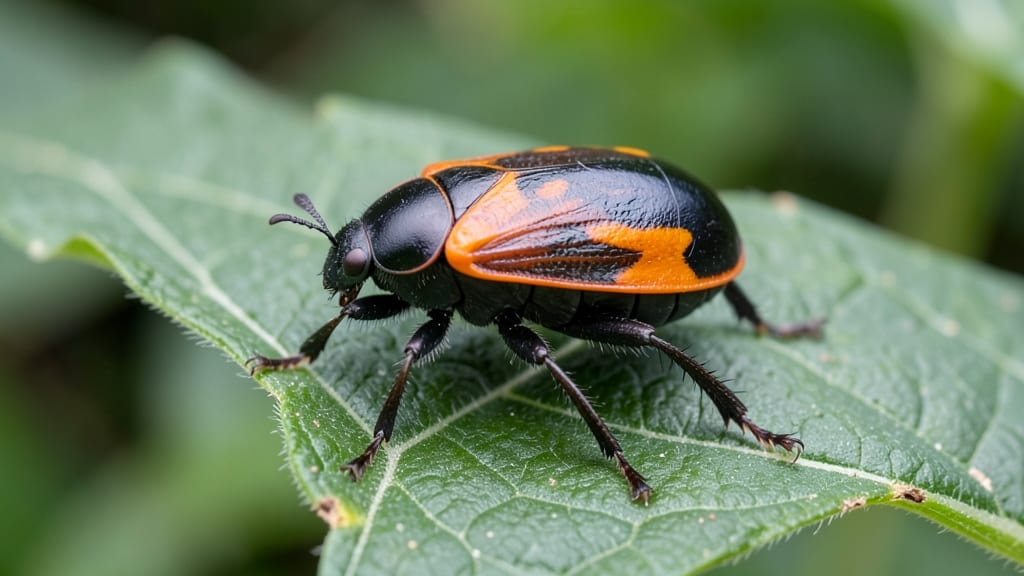
The large milkweed bug is generally good for gardens, though it can be bad in rare cases when overpopulated, as it may nibble on seeds or young plants while primarily serving as a natural pest controller and supporting milkweed pollination.
These beneficial insects play a crucial role in maintaining garden balance by targeting pests that damage plants. 🔥 Their presence often indicates a healthy ecosystem, as they thrive alongside milkweed and other native flora.
While they rarely cause significant harm, gardeners should monitor their populations—especially if they notice excessive feeding on seeds or seedlings. Creating a diverse planting environment with native species can help encourage their beneficial behaviors while minimizing any potential downsides.
For optimal results, avoid broad-spectrum pesticides that could harm these helpful predators. Instead, focus on natural pest control methods like introducing ladybugs or lacewings, which complement milkweed bugs' efforts. The key is fostering biodiversity, as this creates a resilient garden where beneficial insects naturally keep pest populations in check.
💡 In This Article
- Ecological Benefits of Large Milkweed Bugs in Gardens
- Managing Milkweed Bug Populations for Optimal Garden Health
Ecological benefits of large milkweed bugs in gardens
The large milkweed bug (Oncopeltus fasciatus) earns its place in gardens through its specialized diet, which primarily targets soft-bodied pests like aphids, mealybugs, and scale insects. These bugs use their piercing-sucking mouthparts to extract sap from pests, effectively reducing their populations by up to 30-50% in localized outbreaks.
Their predatory habits are particularly effective in milkweed ecosystems, where they help control aphids that might otherwise devastate young leaves and stems.
What makes them exceptional is their precision—adults and nymphs alike focus on pests rather than healthy plant tissue. Studies show they consume 10-20 aphids per day, with nymphs being even more voracious relative to their size.
Their presence often correlates with reduced need for chemical pesticides, as they naturally maintain balance in the garden's food web. Additionally, their bright orange-and-black coloration serves as a warning to predators, allowing them to thrive alongside other beneficial insects like ladybugs and lacewings.
Beyond pest control, these bugs play a crucial role in pollination, particularly for milkweed plants (Asclepias species). As they feed on nectar and sap, they inadvertently transfer pollen between flowers, supporting the reproduction of this critical monarch butterfly host plant.
Their feeding habits also create small wounds on plant tissues that can stimulate secondary compounds, making milkweed more resilient to herbivores. This dual role as both predator and pollinator makes them a keystone species in native plant ecosystems.
Their impact on biodiversity extends further: milkweed bugs help create microhabitats for other beneficial insects by maintaining healthy milkweed stands. Without their pest control services, milkweed plants might suffer from aphid infestations that weaken growth or attract secondary pests.
Gardeners often notice increased butterfly activity and healthier milkweed growth when these bugs are present, as the plants can focus energy on flowering rather than defense mechanisms.
However, their benefits aren't universal. In monoculture gardens with limited plant diversity, milkweed bugs might occasionally overfeed on seeds or young seedlings, particularly when natural pest populations decline. This behavior is more common in late summer when food sources become scarce.
The key difference is their selectivity—they prefer pests over healthy vegetation, making their occasional seed feeding a minor trade-off for the broader ecological services they provide.
To maximize their benefits, gardeners can create milkweed bug-friendly environments by planting native milkweed species alongside other nectar-rich flowers like coneflowers and goldenrod. These companion plants provide both food and shelter, encouraging milkweed bugs to establish populations that focus on pest control rather than seed feeding.
The result is a self-sustaining garden ecosystem where these bugs become an integral part of natural pest management.