
Flowers
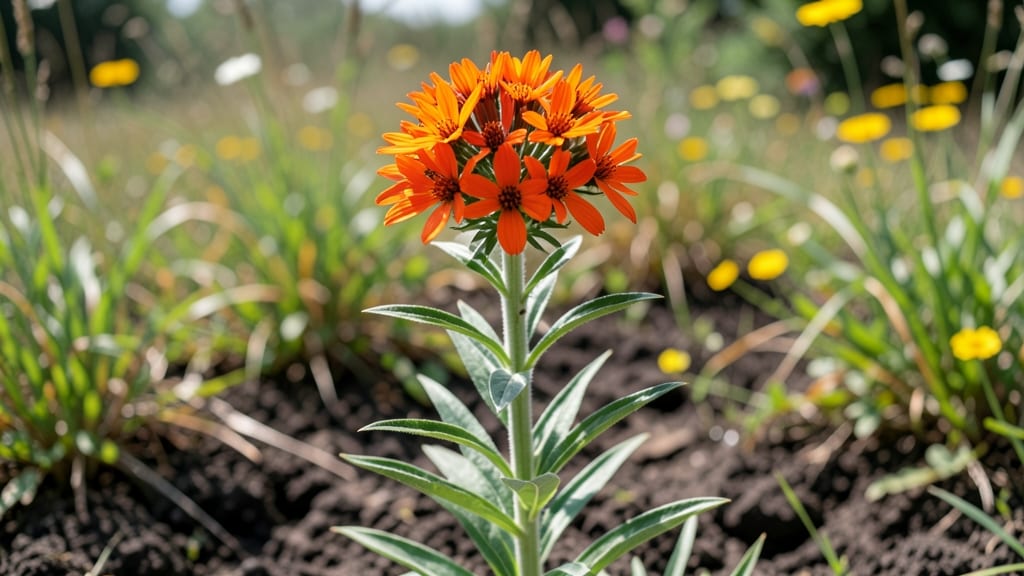
Milkweed with orange flowers isn’t just a splash of color—it’s the pollinator party starter your garden’s been missing. 🌼 This fiery native plant turns your yard into a monarch magnet while adding bold, sun-kissed drama to borders and meadows.
I’ve watched butterflies swarm my Asclepias tuberosa patches within weeks of planting, and the orange blooms keep the show going from late spring through summer.
The secret to making it work isn’t complicated: pair it with purple coneflowers and black-eyed Susans for a cottage-core color story, or let it stand alone in a wildflower meadow where its bright blooms pop against green foliage.
The deep roots mean it thrives in poor soil, and the seed pods add winter interest—no deadheading required. Even better, it’s drought-tolerant once established, so it’s the low-maintenance star of any pollinator garden.
You’ll end up with a garden that’s teeming with life—monarchs, bees, and hummingbirds all vying for attention while your neighbors stare in envy at those impossible-to-miss orange blooms. The best part?
This plant does the heavy lifting: no pesticides, no fuss, just pure ecological impact wrapped in beauty. Start with just one clump, and you’ll be hooked by next season.
Works in full sun or partial shade, from rock gardens to prairie-style plantings. Perfect for anyone who wants stunning color with a purpose—and who doesn’t love a plant that gives back as much as it gives? Let’s make your garden the neighborhood’s new pollinator hotspot.
📚 In This Guide
- What you need
- Instructions
- Tips and common mistakes
- Wrapping up and next steps
What you need
- ● Orange-flowered milkweed seeds: 1–2 packets (50–100 seeds per packet) of Asclepias tuberosa (butterfly weed) or Asclepias sullivantii (prairie milkweed, if available in your region).
- ○ Optional: Pre-germinated seeds (for faster growth).
- ● Garden soil: Well-draining, slightly sandy loam (pH 6.0–7.5). Test soil pH if unsure—milkweed prefers neutral to slightly alkaline conditions.
- ○ Optional: 2–3 cups of compost per planting hole for nutrient boost.
- ● Sunlight access: Full sun (6+ hours of direct sunlight daily). Partial shade (3–6 hours) may work in hot climates but reduces flowering.
- ● Planting tools: Hand trowel or small shovel (for transplanting seedlings).
- ● Garden gloves (to protect hands from sap and soil).
- ● Measuring tape or ruler (for spacing plants 12–18 inches apart).
- ● Watering supplies: Watering can or hose with a gentle spray nozzle.
- ○ Optional: Drip irrigation kit (for consistent moisture, especially in dry climates).
- ● Mulch: 2–3 inches of organic mulch (straw, pine needles, or shredded leaves) to retain moisture and suppress weeds.
- ● Climate & timing: Plant seeds outdoors in early spring (after last frost) or late summer (for fall blooms).
- ● Transplant seedlings in spring (avoid extreme heat). Check local frost dates!
- ● Pollinator prep: Pro tip: Plant nearby nectar sources (e.g., coneflowers, bee balm) to support monarchs year-round. 🐝
- ● Patience: Seeds may take 2–4 weeks to germinate. Seedlings grow slowly—expect blooms in 1–2 years.
How to grow vibrant orange milkweed for monarch butterflies
This striking native plant thrives with minimal fuss—just follow these steps for a pollinator paradise.
🌱 Step 1: Select the Right Variety and Planting Location
Orange milkweed (Asclepias tuberosa) is the star of pollinator gardens, but choose native varieties suited to your region—non-native hybrids may struggle. This species prefers full sun (at least 6 hours daily) and well-draining soil, making it ideal for slopes or rocky areas where water pools.
I always scout the planting site first. Look for dry, sandy, or gravelly soil—orange milkweed hates soggy roots. If your soil is heavy clay, amend with 2-3 inches of compost mixed into the top 6 inches of soil. The plant’s deep taproot means you won’t need to disturb it once established.
☀️ Step 2: Prepare the Soil and Plant at the Right Time
Spring is the best time to plant, after the last frost when soil warms to at least 50°F. Dig a hole twice as wide as the root ball but only as deep—planting too deep suffocates the roots. Gently loosen the roots if they’re circling the pot, but don’t tease them apart unless they’re severely bound.
Mix a handful of bone meal (about 1 tablespoon) into the planting hole to encourage strong root growth. Water deeply before planting, then place the milkweed so the top of the root ball sits level with the soil surface. Fill the hole, firm gently, and water again to settle the soil. Mulch with 2 inches of shredded leaves or pine straw to retain moisture and deter weeds.
💧 Step 3: Water Deeply and Establish the Plant
Orange milkweed is drought-tolerant once established, but new plants need consistent moisture for the first 6-8 weeks. Water deeply once a week, soaking the soil to a depth of 12 inches—this encourages deep root growth. You’ll know it’s enough when water runs out the drainage holes if planted in containers, or when the soil feels damp 6 inches down.
Here’s the thing—don’t overwater. This plant thrives in dry conditions, and soggy soil invites fungal diseases. After the first month, reduce watering to every 2-3 weeks unless your region experiences extreme heat. Yellowing leaves? That’s often a sign of overwatering, not thirst.
✂️ Step 4: Prune and Maintain for Healthy Growth
Pruning isn’t critical, but deadheading spent flowers in late summer keeps the plant tidy and encourages a second bloom in fall. Use clean, sharp pruners to snip back flower stems to the nearest leaf node. Avoid cutting into woody stems—orange milkweed’s growth comes from new shoots at the base.
In early spring, trim back any dead or damaged foliage, but leave the seed pods if you want to support monarchs. The pods take 6-8 weeks to mature, and leaving them on the plant provides food for caterpillars. If you prefer a neater look, remove pods once they turn brown and dry.
🪴 Step 5: Protect and Enjoy Your Pollinator Haven
Orange milkweed attracts more than monarchs—bees, hummingbirds, and other pollinators will flock to its bright blooms. To maximize its impact, plant in clusters of 3-5 (or more if space allows). This creates a visual and scent beacon for pollinators, making your garden a true haven.
Watch for milkweed beetles—they’re harmless and even help control pests. If aphids appear (rare but possible), blast them off with a strong stream of water. Avoid pesticides; they’ll kill the very butterflies you’re trying to attract. With minimal care, your orange milkweed will thrive for years, becoming the centerpiece of your pollinator-friendly garden.
Tips & tricks for growing vibrant orange milkweed
Here’s what nobody tells you about nurturing this pollinator powerhouse—simple secrets that make all the difference.
Soil Preparation Secret: Before amending clay soil with compost, test its drainage by digging a 12-inch hole and filling it with water. If it doesn’t drain within 6 hours, mix in an additional 1-2 inches of coarse sand or perlite with that 2-3 inches of compost. This two-step approach prevents waterlogging while still improving fertility—critical for those deep taproots that need oxygen.
Planting Timing Strategy: The 50°F soil temperature threshold isn’t just about frost—it’s about microbial activity. Warmer soil means faster root establishment. I’ve found that planting when nearby perennials like coneflowers are just breaking dormancy (usually 2-3 weeks after last frost) gives milkweed a head start. Use a soil thermometer if you’re unsure—your local extension office can help interpret readings.
Watering Wisdom: That 12-inch deep watering isn’t just about roots—it’s about creating a moisture reservoir. After the initial 6-8 weeks, let the top 2 inches of soil dry completely between waterings. You’ll know you’ve nailed it when the lower leaves start curling slightly (a sign of mild drought stress that actually triggers deeper root growth). This mimics natural conditions where milkweed thrives in dry prairies.
Pruning Precision: When deadheading in late summer, cut just above the first set of healthy leaves you see below the spent bloom. This leaves enough foliage for photosynthesis while encouraging new growth. For seed pods, wait until they’ve turned completely brown and papery—this means they’ve released most of their seeds naturally. If you must remove them earlier, do it in the morning when humidity is lowest to prevent fungal issues.
Pro Tips for Milkweed With Orange Flowers
- Here’s what nobody tells you about nurturing this pollinator powerhouse—simple secrets that make all the difference.
- Soil Preparation Secret: Before amending clay soil with compost, test its drainage by digging a 12-inch hole and fill...
- Planting Timing Strategy: The 50°F soil temperature threshold isn’t just about frost—it’s about microbial activity. W...
Frequently asked questions
Got questions about growing Asclepias tuberosa (milkweed with orange flowers) to attract monarchs? You’re not alone!
Here are answers to the most common queries from gardeners eager to create a pollinator paradise.
What’s the best time to plant orange milkweed?
Plant seeds or transplants in early spring (after the last frost) or late summer for fall germination. Young plants need time to establish roots before winter. If transplanting mature plants, do it in spring or early fall to avoid stress. Pro tip: Cover seeds lightly with soil—they need light to germinate!
Why aren’t monarchs visiting my orange milkweed?
Monarchs may skip your milkweed if it’s too young (wait until flowers appear), isolated (plant in clusters), or treated with pesticides. Ensure flowers are undamaged—monarchs lay eggs on healthy foliage. Try this: Add nectar plants like Lantana or Joe-Pye weed nearby to lure them in.
Can I grow orange milkweed in containers?
Yes! Use a large pot (12"+ diameter) with well-draining soil and a deep root zone. Containers dry out faster, so water regularly. Warning: Milkweed roots are aggressive—prune roots annually to keep plants manageable. Dwarf varieties like ‘Gay Butterflies’ work best for pots.
What if my milkweed gets aphids or mildew?
Aphids and powdery mildew are common but manageable. Spray plants with water to dislodge aphids, or introduce ladybugs. For mildew, improve airflow and avoid overhead watering. Neem oil (applied at dusk) is a natural remedy. Prevent it: Plant in full sun and space plants 18–24" apart.
Are there orange milkweed alternatives for dry climates?
If your area is extremely arid, try Asclepias franklinii (Franklin’s milkweed) or Asclepias subulata (sand milkweed), both drought-tolerant. For color variety, pair orange milkweed with Asclepias curassavica (tropical milkweed, red/pink flowers). Bonus: Mix native milkweeds to extend the monarch season!
Wrapping up and next steps
Transforming your garden into a vibrant monarch magnet with milkweed featuring bright orange blooms isn’t just rewarding—it’s a gift to nature! 🌸 These striking flowers attract pollinators, support monarch butterflies, and add a pop of color to any landscape.
Whether you’re a seasoned gardener or just starting, every small step counts toward creating a thriving ecosystem.
Ready to take action? Start small—plant a few milkweed seeds or seedlings this season and watch your garden come alive with activity. Your efforts will inspire others to join the movement, turning backyards into pollinator havens one bloom at a time!