
Fertilization
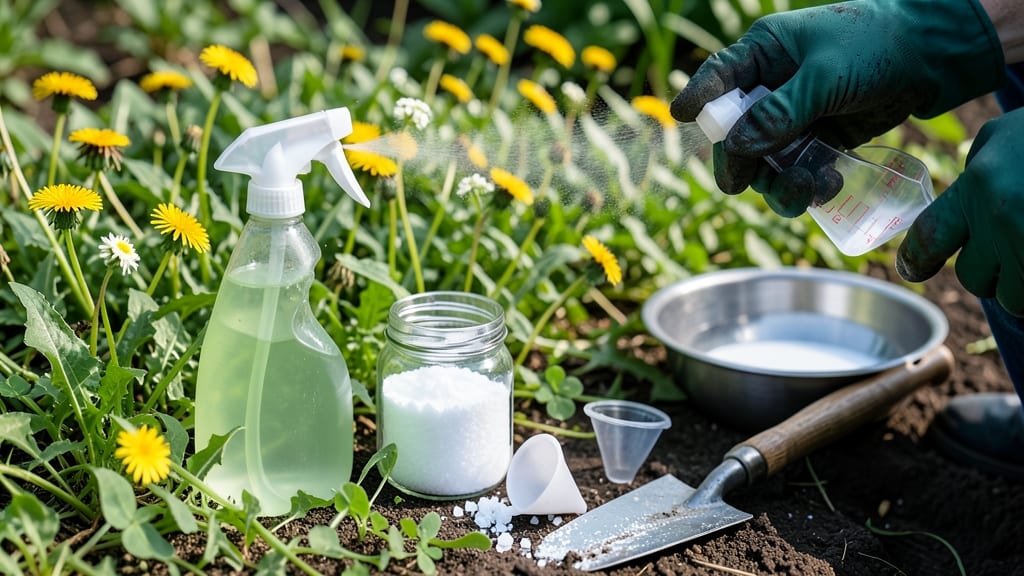
A natural weed killer with Epsom salt isn’t just for baths—it’s a salt-boosted weed killer that works faster than you’d expect. 🌱 I’ve used it to clear stubborn weeds in my driveway cracks and garden paths, and the results appear within 24-48 hours without harsh chemicals. The secret lies in its magnesium sulfate content, which disrupts weed growth while keeping your soil safe—when used correctly.
This method isn’t a one-size-fits-all solution, though. It’s best for non-edible areas like sidewalks, patios, or ornamental beds where you won’t grow food. For garden beds, especially drought-prone ones, the salt can alter soil chemistry over time, so spot-treat carefully.
You’ll need 1 cup of Epsom salt per gallon of water, mixed into a spray bottle for precision.
The process is simple: spray directly on weeds (avoid desirable plants), let it sit for 1-2 hours, then rinse if you’re near edible plants or want to prevent soil buildup.
For tougher weeds, reapply every few days until they wilt. It’s a fast, chemical-free way to tackle weeds—but remember, it’s not permanent. Weeds will return if you don’t maintain the area.
If you’re hesitant about salt’s long-term effects, try vinegar-based sprays or boiling water as alternatives. Both work well for spot treatments and won’t harm your soil.
For large areas, consider mulching or hand-pulling to avoid any risk. Either way, you’ll have cleaner spaces without breaking the bank or harming the environment.
📚 In This Guide
- What you need
- Instructions
- Tips and common mistakes
- Wrapping up and next steps
What you need
- ● Epsom salt (magnesium sulfate): 1 cup (160 grams) – Look for pure, food-grade Epsom salt for best results.
- ● White vinegar: 1 gallon (3.8 liters) – Choose distilled white vinegar for potency.
- ○ Dish soap (optional but recommended): 1 tablespoon – Helps the solution stick to weeds.
- ● Spray bottle or garden sprayer: 16-32 oz (473-946 mL) capacity – A pump sprayer works best for larger areas.
- ● Water: 1 gallon (3.8 liters) – For diluting the mixture.
- ● Gloves and safety goggles – Protect your skin and eyes from vinegar and salt.
- ● Plastic or metal container – For mixing (avoid aluminum or galvanized metal).
- ● Garden trowel or hoe – For scraping out stubborn weeds after treatment.
- ○ Fine-mesh strainer – If you prefer a smoother spray (optional).
- ● Label or marker – To tag your spray bottle for future use.
- ● Old newspaper or cardboard – To cover nearby plants if they’re sensitive.
How to make an effective salt-boosted weed killer
This formula combines common household items for a targeted, eco-friendly solution that disrupts weeds without harming surrounding plants.
🌱 Step 1: Gather the Core Components
You'll need 2 cups of Epsom salt (magnesium sulfate) as the active ingredient, which dehydrates weed foliage while providing magnesium that stresses their systems. Add 1 gallon of white vinegar (5% acidity) to break down cell walls and 1 tablespoon of liquid dish soap to help the solution cling to weed leaves. The soap also lowers surface tension, ensuring better coverage.
Measure everything precisely—too little salt weakens the effect, while too much risks harming desirable plants nearby. I like to mix these in a 1-gallon spray bottle for even distribution. Avoid metal containers; plastic or glass works best to prevent chemical reactions.
💧 Step 2: Mix the Solution Thoroughly
Combine the Epsom salt and vinegar first, then add the dish soap while stirring vigorously. The mixture should look cloudy but fully integrated—no grainy residue. Shake well before each use, as the salt may settle. This solution works best when freshly mixed, so prepare it the same day you plan to apply it.
Here's the thing—this formula is most effective when applied on a sunny, dry day. The sun amplifies the salt's dehydrating effects, while dry conditions prevent dilution from rain. Test a small area first to ensure your target weeds are susceptible; some broadleaf weeds respond better than grassy types.
☀️ Step 3: Apply Directly to Weeds
Fill your spray bottle and apply the mixture only to weed foliage, avoiding desirable plants. The salt and vinegar combo works by absorbing into leaves, disrupting photosynthesis and causing wilting within 24-48 hours. You'll notice brown, crispy edges first, followed by complete desiccation if applied consistently.
For stubborn weeds, reapply every 3-5 days until fully eradicated. I like to use a focused spray pattern—direct the stream at the base of the weed where new growth emerges. This ensures the solution reaches the most vulnerable parts. Wear gloves during application; the vinegar can irritate skin.
✂️ Step 4: Monitor and Maintain
After application, watch for new weed growth in treated areas. If any weeds survive, the solution may need stronger concentration—double the Epsom salt next time. However, be cautious: overuse can alter soil pH and magnesium levels, potentially affecting nearby plants.
For ongoing weed control, repeat the process every 2-3 weeks during growing seasons. This prevents weeds from establishing deep root systems. I've found that combining this method with mulching (using the leftover Epsom salt as a light top-dressing) suppresses future weed seeds naturally.
Tips & tricks for perfect salt-boosted weed control
Took me a while to figure these out, so here goes—these tricks will help you maximize effectiveness while keeping your garden safe.
Precision is Key: When measuring the 2 cups of Epsom salt, use a kitchen scale if possible for accuracy—volume measurements can vary. The salt's effectiveness depends on exact ratios, so don't eyeball it. Also, use a 1-gallon spray bottle with a fine-mist nozzle for even distribution, as this ensures the solution clings to weed leaves without wasting product.
Timing Secret: The 24-48 hour wilting window is critical—this is when the salt and vinegar combo disrupts photosynthesis most effectively. Apply in the early morning when dew is present; the moisture helps the solution adhere better to leaves. Avoid applying before rain, as dilution will reduce effectiveness. If you miss the morning, late afternoon works too, but avoid evening applications that may linger overnight.
Targeted Application: Use a focused spray pattern in Step 3 by holding the spray bottle 6-8 inches from the weeds. Direct the stream at the base of the weed where new growth emerges—this is where the solution will have the most impact. For stubborn weeds, add a second application in 3-5 days (as mentioned), but always avoid spraying desirable plants, as the vinegar can cause leaf burn even in small amounts.
Safety First: Wear nitrile gloves when handling the solution, as the vinegar can irritate skin. If you accidentally spray nearby plants, rinse them immediately with water to prevent damage. For extra protection, consider using a spray shield or cardboard barrier around desirable plants during application. The dish soap in the mix helps the solution cling, but it can also leave a residue—rinse tools and containers thoroughly after use.
Pro Tips for Natural Weed Killer With Epsom Salt
- Took me a while to figure these out, so here goes—these tricks will help you maximize effectiveness while keeping your garden safe.
- Precision is Key: When measuring the 2 cups of Epsom salt, use a kitchen scale if possible for accuracy—volume measurements can vary.
- Timing Secret: The 24-48 hour wilting window is critical—this is when the salt and vinegar combo disrupts photosynthesis most effectively.
Frequently asked questions
Got questions about using Epsom salt as a natural weed killer? You’re not alone! Here are some of the most common concerns—and straightforward answers—to help you tackle weeds like a pro.
How quickly does Epsom salt kill weeds?
Epsom salt typically starts working within 24 to 48 hours, but full results may take 3 to 7 days, depending on weed type, weather, and concentration. Hot, sunny days speed up the process, while rain can dilute the solution. For stubborn weeds, reapply every 2–3 days until they wilt completely.
Is Epsom salt safe to use before planting?
No—never use Epsom salt as a weed killer before planting. The magnesium sulfate in Epsom salt can harm soil structure and beneficial microbes while leaving behind salt residues that may inhibit seed germination or stunt young plants. Wait at least 4–6 weeks after treatment before planting in the same area.
Can I use Epsom salt on all types of weeds?
Epsom salt works best on broadleaf weeds and small annuals (like dandelions, clover, or chickweed). It’s less effective on deep-rooted perennials (e.g., bindweed) or grassy weeds (like crabgrass). For tougher weeds, combine it with vinegar or boiling water for better results, or spot-treat with a higher concentration (3 cups per gallon).
Will rain wash away the Epsom salt solution?
Yes, rain can dilute or wash away the solution, reducing its effectiveness. Apply Epsom salt after a dry forecast (check the weather for 24–48 hours of dry conditions) or reapply if heavy rain occurs within a day. For extra staying power, mix it with a small amount of dish soap to help it cling to weed leaves.
Are there any plants Epsom salt will harm?
Epsom salt is selective—it targets weeds but generally spares most established plants (like lawn grass, shrubs, or perennials) if applied carefully. However, avoid spraying it near:
- Vegetable gardens (especially tomatoes, peppers, and eggplants)
- Fruit trees or berry bushes (can stress roots)
- Delicate flowers (like roses or hydrangeas)
What’s a good alternative if Epsom salt doesn’t work?
If Epsom salt falls short, try these natural weed-killing alternatives:
- Boiling water: Pour directly on weeds (best for driveways or cracks).
- Vinegar + salt + dish soap: Mix 1 gallon white vinegar + 1 cup salt + 1 tbsp soap for a potent spray.
- Corn gluten meal: Prevents weed seeds from germinating (great for pre-emergent control).
- Baking soda: Sprinkle on weeds and water in (works well for sidewalks).
Wrapping up and next steps
Discovering a natural weed killer with Epsom salt isn’t just eco-friendly—it’s a game-changer for your garden! This simple, salt-boosted solution harnesses the power of common household ingredients to tackle weeds effectively, without harsh chemicals.
Whether you’re battling stubborn weeds in your lawn or garden beds, this method is fast, affordable, and sustainable—proving that nature’s tools can outperform store-bought alternatives.
Ready to reclaim your green space? Grab your Epsom salt, water, and a spray bottle—your weed-free garden is just a few steps away! 🌱✨ Try it today and share your success with fellow gardeners.