
How To
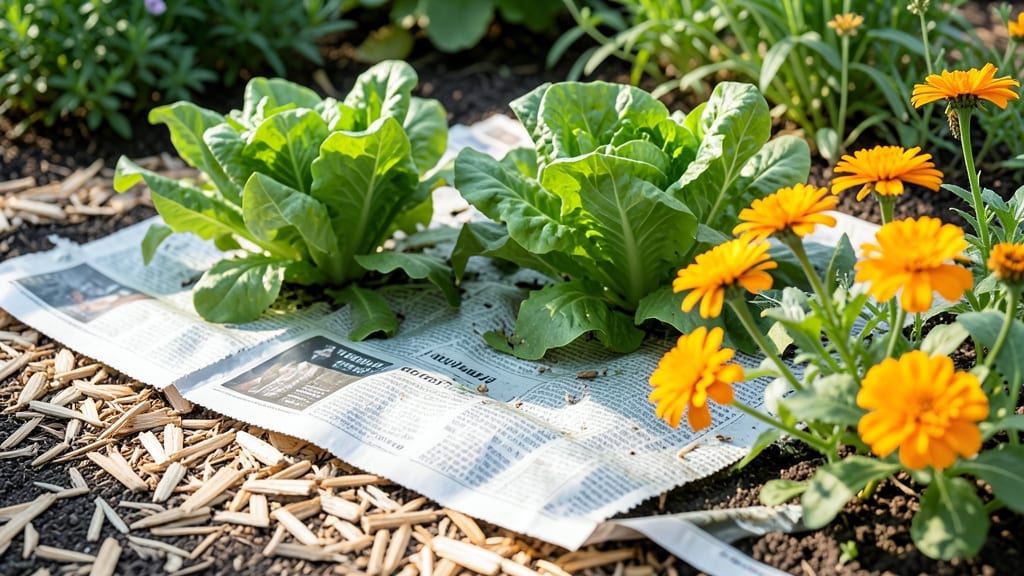
My newspaper weed block saved my garden from years of relentless weeds—no more pulling dandelions or battling crabgrass. 🌱 The secret lies in smothering weeds at the soil level while keeping your plants happy and healthy.
This method works best in established beds where you want to lock out weeds permanently without chemicals.
You’ll need just three things: old newspapers (black and white, no glossy inserts), a shovel, and a good soaking of water. The process takes about 30 minutes, and once installed, it lasts for 2-3 years before needing renewal.
The best part? It’s free, eco-friendly, and works in any climate where weeds grow.
After laying down 4-6 sheets in overlapping layers, you’ll water thoroughly to help the paper break down and form a dense barrier. Your plants stay weed-free while still getting air and moisture—no suffocation, just smart suppression.
I’ve used this in my vegetable beds, flower gardens, and even around shrubs with great results.
Fair warning: it won’t work under mulch alone—you need to tuck it beneath the surface. And if you’re planting perennials, install it before the first frost so the paper has time to settle.
Once you try it, you’ll wonder why you didn’t do this sooner! Here’s how to get started right.
📚 In This Guide
- What you need
- Instructions
- Tips and common mistakes
- Wrapping up and next steps
What you need
- ● Newspapers: 10–15 sheets (black-and-white or mixed ink—avoid glossy/colorful pages). Pro tip: Use free classifieds or old editions!
- ● Garden soil: 1–2 cubic yards (for backfilling).
- ○ Compost or mulch: 1–2 inches (optional but recommended for soil health).
- ● Shovel or spade: 1 (for digging trenches).
- ● Garden hose or watering can: 1 (to moisten layers).
- ● Rake: 1 (for smoothing soil).
- ● Garden twine or wire: 1 roll (to secure layers if needed).
- ● Gloves: 1 pair (for comfort).
- ● Kneeling pad: 1 (for long projects).
- ● Measuring tape: 1 (to mark trench depth—aim for 6–12 inches deep).
Step-by-Step instructions for creating a newspaper weed block
Here's how to build a weed-blocking barrier that lasts all season—no chemicals, just clever layering.
🪴 Step 1: Choose Your Garden Beds and Clear Existing Weeds
Start by selecting the garden beds where you want to install your weed block. Remove any existing weeds or grass by hand or with a hoe—this ensures your barrier works from day one. I like to pull weeds when the soil is damp; they come out easier and leave fewer roots behind. For small beds, a trowel works great for precision.
Rake the area smooth afterward. You want a flat, even surface so your newspaper layers lie flat without gaps. If you're working in a sunny spot, do this in the morning when the ground is cool—hot soil can make weeds more stubborn to remove.
📰 Step 2: Layer Newspaper in Overlapping Sections
Use 4-6 sheets of black-and-white newspaper per square foot of bed (ink side down). Overlap each sheet by 2-3 inches to prevent weeds from growing through gaps. I always start at one end of the bed and work my way across, smoothing out any wrinkles as I go. Avoid glossy or colored inserts—they can contain chemicals that might leach into the soil.
For larger beds, use entire sheets instead of cutting them first. This makes installation faster and reduces the chance of leaving gaps. If you're covering a curved edge, trim the newspaper to fit snugly—no loose flaps that could lift and expose soil.
🌱 Step 3: Secure the Newspaper with Mulch or Soil
Lightly water the newspaper layers until damp but not soggy. This helps them settle and prevents them from blowing away. Then, cover the entire area with 2-3 inches of organic mulch (like straw, wood chips, or shredded leaves). The mulch keeps the newspaper in place and blocks sunlight from reaching the newspaper itself.
For raised beds or windy areas, add a 1-inch layer of soil over the newspaper before mulching. This extra weight prevents the barrier from shifting. I like to use a rake to spread the mulch evenly—any bare spots mean weeds can still sneak through.
✂️ Step 4: Plant Through the Mulch and Maintain the Barrier
Make small holes in the mulch where you want to plant. Push your plants or seeds through these openings and water gently to settle the soil around them. The mulch will naturally break down over time, but the newspaper underneath keeps weeds at bay for at least one growing season. I’ve seen some blocks last two seasons if the mulch stays thick.
Check the barrier every few weeks. If you notice mulch thinning out, add more to maintain the 2-inch minimum. Weeds that pop up through the mulch can be pulled easily—they won’t have deep roots to fight. This system works best in vegetable gardens, flower beds, and pathways where you want to minimize weeding.
🌿 Step 5: Refresh the Barrier Annually for Long-Term Defense
After the first growing season, the newspaper will decompose enough to let weeds through. In early spring, remove any remaining mulch and add 2-3 fresh layers of newspaper (again, ink side down). Top with 2-3 inches of fresh mulch and replant. This yearly refresh keeps your garden weed-free with minimal effort.
For perennial beds, you can extend the barrier’s life by adding a thin layer of cardboard (unlaminated, no tape) under the newspaper. Cardboard breaks down slower and adds extra protection. Just avoid treated or glossy cardboard—stick to plain, flat sheets.
Tips & tricks for perfect newspaper weed barriers
These clever strategies will help you create a weed-free garden that lasts all season without the hassle.
Prep is Everything: Before laying your newspaper in Step 1, take an extra 10 minutes to remove weeds down to their roots. I learned this the hard way—leaving even small root fragments can lead to weeds sprouting right through your barrier. Use a hoe for larger areas and a trowel for precision around plants. The smoother and cleaner your bed, the more effective your weed block will be.
Layering Secrets: When you're placing those 4-6 sheets of newspaper per square foot in Step 2, think of it like building a fortress. The key is complete coverage—no peeking sunlight! For extra durability, especially in windy areas, add a second layer of newspaper in high-traffic spots. Just make sure to keep the ink side down both times to prevent any potential chemical leaching into your soil.
Mulch Matters: That 2-3 inch layer of mulch in Step 3 isn't just decoration—it's what makes the whole system work. I recommend using coarse mulch like wood chips or straw because they break down slower than fine mulches. Spread it evenly with a rake, and don't be tempted to skimp. Thin spots are where weeds will find their way through. For extra protection in raised beds, that additional 1-inch layer of soil really helps keep everything in place.
Long-Term Maintenance: Here's what nobody tells you—your weed block will last longer if you refresh it properly in Step 5. Instead of just adding new newspaper, I like to remove any remaining mulch and then add a thin layer of unlaminated cardboard first. This creates an extra barrier that can extend your weed block's effectiveness by another season. Just remember to keep everything ink-side down to prevent any chemical concerns.
Pro Tips for Newspaper Weed Block
- These clever strategies will help you create a weed-free garden that lasts all season without the hassle.
- Prep is Everything: Before laying your newspaper in Step 1, take an extra 10 minutes to remove weeds down to their roots.
- Layering Secrets: When you're placing those 4-6 sheets of newspaper per square foot in Step 2, think of it like building a fortress.
Frequently asked questions
Got questions about using a newspaper weed block to keep your garden weed-free? You’re not alone! Here are some of the most common queries—and their answers—to help you get started with confidence.
What’s the best way to prepare newspapers for a weed block?
First, shred or tear the newspapers into strips about 2–3 inches wide. Avoid glossy sections (like ads) since they can repel water. Soak them lightly in water to soften—this helps them break down faster while still blocking light. Lay them in overlapping layers (3–4 sheets thick) for maximum weed suppression.
How long will a newspaper weed block last before needing replacement?
A well-installed newspaper weed block typically lasts 3–6 months before decomposing. However, if you notice weeds sprouting through, replace it sooner. For long-term use, top it with mulch (like straw or wood chips) to extend its lifespan and protect it from erosion.
Can I use newspaper weed blocks under perennials or shrubs?
Yes! Newspaper weed blocks work great under perennials, shrubs, and even young trees. Just ensure the area is moistened before laying the sheets to help them decompose naturally over time. Avoid placing them directly against tree trunks—keep a 6-inch gap to prevent moisture buildup and rot.
What’s a good alternative if I don’t have newspapers?
If newspapers aren’t available, try these eco-friendly alternatives:
- Cardboard (plain, uncoated—remove tape/staples first!)
- Leaves or grass clippings (for a natural, biodegradable layer)
- Landscape fabric (if you want a longer-lasting option, though it’s less biodegradable)
Why are weeds still growing through my newspaper block?
Weeds might sneak through if:
- The layers aren’t thick enough (aim for 3–4 sheets).
- Gaps exist between strips—overlap edges by 2–3 inches.
- The block dried out before decomposing (keep it moist for the first few weeks).
Wrapping up and next steps
Creating a newspaper weed block is a budget-friendly, eco-conscious way to keep your garden thriving without harsh chemicals. By layering damp newspaper under mulch, you’re not just blocking weeds—you’re also enriching your soil and reducing waste.
The best part? It’s a permanent solution that saves time and effort in the long run.
Ready to transform your garden? Grab some old newspapers, follow the steps, and watch your plants flourish weed-free! 🌱 For extra protection, consider adding a thick layer of mulch or a landscape fabric on top. Happy gardening!