
Flowers
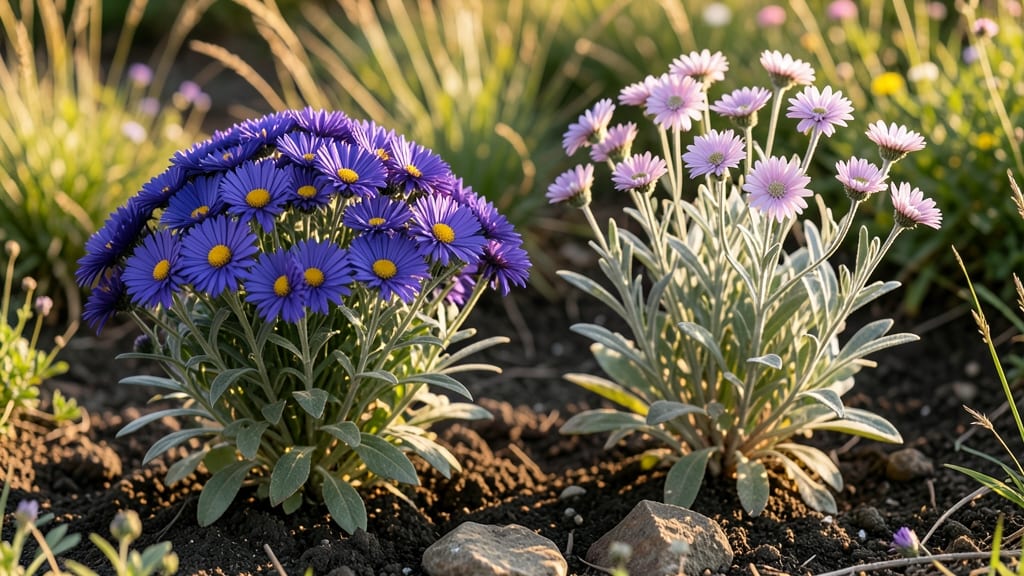
Deciding whether osteospermum is annual or perennial depends on your climate—it thrives as a tender perennial only in frost-free zones (USDA 9-11), but gardeners in colder regions treat it as an annual due to frost sensitivity, though some hardier varieties may regrow from protected roots.
Osteospermum's behavior shifts with temperature because its foliage freezes easily, while roots often survive in milder winters. 🔥 In zones 8 and below, frost kills the above-ground growth, forcing gardeners to replant each spring.
The key to extending its life in colder areas lies in protecting roots with thick mulch or overwintering cuttings indoors. Some newer hybrids, like 'Cape Town Pink,' show better cold tolerance, making them worth trying if you want to push the limits of perennial growth.
Even in frost-free zones, osteospermum benefits from strategic pruning after flowering to encourage a second bloom cycle. This habit—combined with its drought tolerance—makes it a favorite for low-maintenance gardens.
The trade-off? In colder climates, its annual cycle means more frequent replanting but also the joy of fresh, vibrant blooms each season.
💡 In This Article
- Osteospermum Cold Hardiness Zones and Dieback Science
- How to Overwinter Osteospermum in Cold Climates
Osteospermum cold hardiness zones and dieback science
Osteospermum's cold sensitivity stems from its native South African origins, where it evolved in regions with mild winters and hot, dry summers. The plant's foliage contains high levels of water, which freezes and ruptures cell walls at temperatures below 28°F, causing irreversible damage.
This is why even a light frost in zones 8 and below will blacken stems and leaves within hours. 💛 The roots, however, often survive because they're buried deeper and insulated by soil, which retains some heat.
USDA hardiness zones 9-11 provide the ideal frost-free environment for osteospermum to thrive as a perennial. In these zones, temperatures rarely drop below 20°F, allowing the plant to maintain continuous growth year-round.
The key difference is that in colder zones, frost triggers a rapid dieback process—similar to how annuals like marigolds or zinnias respond to freezing temperatures. Some varieties, like 'Butterfly Series,' show slightly better cold tolerance but still struggle below 25°F.
What happens at the cellular level? Frost causes ice crystals to form in the plant's vascular system, blocking water transport and leading to dehydration of the above-ground tissues. This is why you'll see stems turn black and brittle after just one hard freeze.
The roots, however, may remain viable for weeks, which explains why some gardeners can coax regrowth by protecting the base with thick mulch or row covers. 🌟 This root survival mechanism is what makes overwintering attempts possible in marginal zones.
Interestingly, osteospermum's dieback behavior differs from true perennials like lavender or Russian sage. Those plants have specialized tissues that can survive freezing by producing antifreeze proteins, while osteospermum lacks these adaptations.
Instead, it relies on rapid regrowth from roots when conditions improve—a survival strategy common among many Mediterranean plants that experience seasonal drought rather than cold.
For gardeners in zones 8-9, the line between annual and perennial behavior becomes blurred. Here, osteospermum may survive winters if protected, but the foliage will still die back completely. The plant's ability to regrow depends on how well the roots remain insulated and undisturbed.
In contrast, true perennials like coneflowers or black-eyed Susans maintain some above-ground growth through winter, even in zone 5.
Understanding this dieback process helps explain why osteospermum is often treated as an annual in colder climates. The energy the plant would expend trying to survive winter frost could instead be directed toward vibrant spring blooms—making the annual cycle a practical choice for many gardeners. 🔥