
Tools
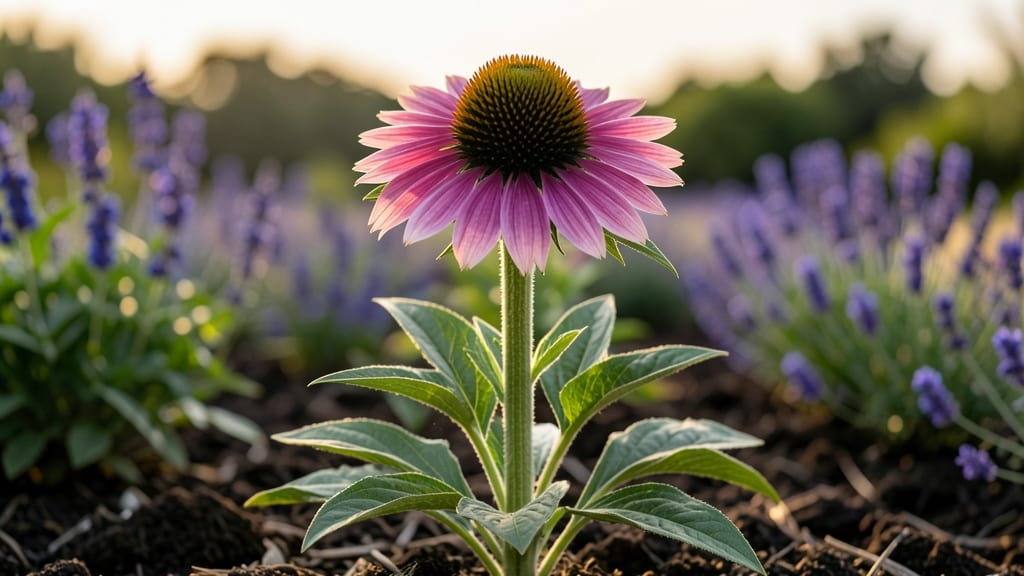
A perennial garden in Zone 5 thrives with cold-hardy plants like coneflowers, hostas, and lavender, which survive winters below freezing and return annually with minimal care. Focus on native species and mulch heavily for insulation.
A Zone 5 perennial garden succeeds because these plants evolved to handle freezing temperatures—some even thrive in -20°F to -10°F conditions.
The key is selecting species with deep root systems that insulate against frost, like peony or Russian sage, which store energy underground. 🌱 Native plants often outperform hybrids because they’re adapted to local soil and climate patterns.
Mulching with straw or shredded leaves mimics natural forest floor protection, keeping roots stable through temperature swings.
For maximum longevity, pair moisture-loving perennials (like hostas) with drought-tolerant varieties (such as sedum) to create balanced microclimates. Many gardeners swear by late-summer pruning to prevent winter dieback, while others swear by leaving foliage intact to trap snow for insulation.
The best perennials for Zone 5 aren’t just cold-resistant—they reward you with vibrant blooms and lush growth year after year.
💡 In This Article
- Understanding Zone 5 Perennial Survival Strategies
- Top 15 Cold-Hardy Perennials for Zone 5 Gardens
Understanding Zone 5 perennial survival strategies
Zone 5 perennials endure harsh winters through a combination of deep root systems and specialized dormancy mechanisms. Plants like peony and Russian sage develop extensive root networks that store carbohydrates and insulate against freezing soil temperatures as low as -20°F.
These roots act like natural underground blankets, maintaining a stable 32°F core even when surface temps drop. The science here involves antifreeze proteins that some perennials produce, similar to how fish survive in icy waters.
The difference between Zone 5a (-20°F to -15°F) and 5b (-15°F to -10°F) matters significantly for plant selection. For example, hostas thrive in both, but lavender prefers the milder 5b conditions.
Native species like coneflowers have evolved to handle these extremes by entering a state called endodormancy, where growth stops completely until temperatures rise. This adaptation explains why non-native perennials often struggle—many lack these survival mechanisms.
Mulching plays a critical role in mimicking natural forest floor protection. A 4-inch layer of straw or shredded leaves can raise soil temperatures by 5-10°F during winter, creating a thermal buffer. The organic matter also breaks down slowly, releasing nutrients that jumpstart spring growth.
What most gardeners don't realize is that mulch isn't just insulation—it also regulates moisture levels, preventing soil from freezing solid, which would damage delicate root structures.
Seasonal care makes all the difference in Zone 5. Late-summer pruning of perennials like black-eyed Susans prevents winter dieback by removing weak stems, while leaving foliage on plants like sedum traps snow for extra insulation.
The key is balancing these practices with your specific microclimate—shady areas stay warmer than sunny ones, so mulching needs may vary. For instance, a hosta in full shade might need only 3 inches of mulch, while one in full sun benefits from 5 inches.
Soil composition affects survival too. Sandy soils drain quickly and freeze faster, while clay holds moisture and insulates better. Amending with compost improves both water retention and temperature regulation. The best Zone 5 perennials aren't just cold-tolerant—they're resilient to these soil variations.
For example, Russian sage thrives in poor, dry soils, while astilbe prefers richer, moister conditions. Understanding these preferences helps create a balanced garden that supports all plants.
One advanced strategy is using cloche protection for tender perennials during extreme cold snaps. While most Zone 5 perennials don't need this, it can extend the range of plants like dahlias (which are technically hardy to Zone 5 but often die back).
The secret is timing—applying cloches after the ground freezes prevents moisture buildup that could rot roots. This technique demonstrates how gardeners can push boundaries while still working with nature's rhythms. 🌿