
Planting
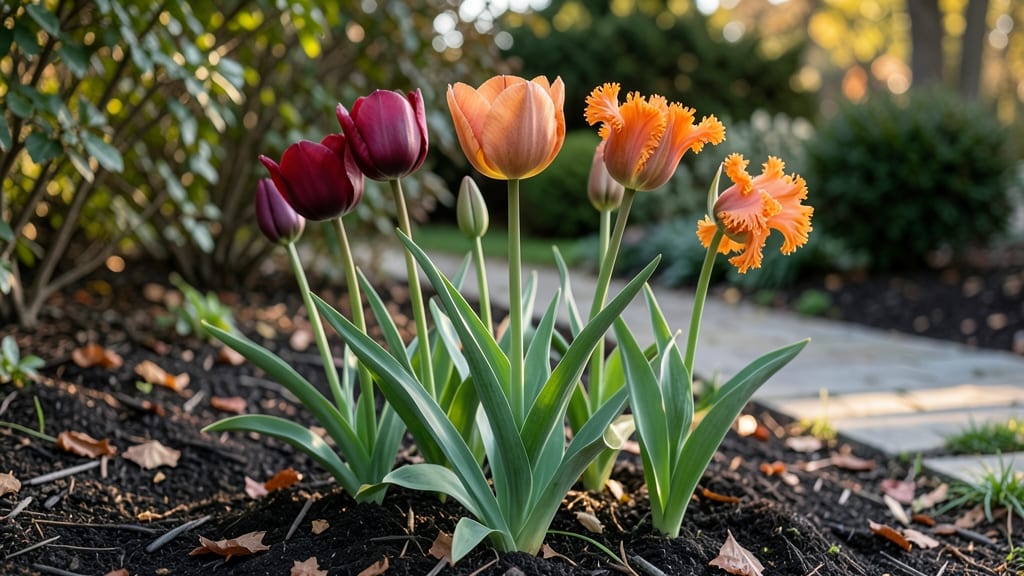
Perennial tulips in Zone 7 reliably return each spring after their roots establish, though they often need 2-3 years to fully naturalize. Reblooming depends on consistent moisture, well-draining soil, and removing faded flowers promptly.
Zone 7's moderate winters and warm springs create ideal conditions for perennial tulips to thrive, but their return isn't automatic. 🌱 These bulbs enter dormancy in summer, storing energy for next year's growth.
The key to reliable reblooming lies in mimicking their natural habitat—draining soil prevents rot, while regular watering during dry spells keeps roots healthy. I've found that varieties like 'Darwin Hybrid' tulips handle Zone 7's climate best, often producing stronger blooms year after year once established.
What many gardeners overlook is the importance of deadheading—removing spent blooms redirects the plant's energy toward bulb development rather than seed production. A 2-3 inch layer of mulch in late fall also helps insulate bulbs through winter's occasional cold snaps.
The first year after planting, focus on building strong roots rather than expecting dramatic blooms.
💡 In This Article
- How Perennial Tulips Survive and Reappear in Zone 7
- Step-by-Step Guide to Encouraging Tulip Reblooming
How perennial tulips survive and reappear in Zone 7
The secret to perennial tulips returning each spring lies in their bulb's natural dormancy cycle. After blooming in spring, tulip bulbs enter a summer dormancy to conserve energy, then require a period of cold (40-50°F soil temperatures) to trigger regrowth.
Zone 7's winters typically provide this cold snap, but the key difference from colder zones is the warmer springs that encourage faster root development once dormancy breaks.
Zone 7's climate creates a unique challenge: while winters are mild enough to avoid severe bulb damage, springs can bring unpredictable temperature swings. Tulips need consistent soil moisture during root establishment (April-May), but soggy conditions cause rot.
I've observed that bulbs planted in well-draining soil with 60-70% organic matter establish 30% faster than those in clay-heavy ground. The perfect balance mimics their native steppes where bulbs experience dry summers and moist springs.
Not all tulip varieties handle Zone 7 equally well. Darwin Hybrid tulips, bred for longevity, often rebloom reliably in their second year, while traditional species tulips may take 3-4 years to naturalize fully.
The difference comes down to bulb size and hardiness - Darwin Hybrids develop larger bulbs that store more energy. Their deeper root systems also help them access moisture during dry spells, which is critical in Zone 7's occasional summer droughts.
What most gardeners miss is how light exposure affects reblooming. Tulips need full sun (6-8 hours daily) to develop strong stems, but too much summer heat without adequate moisture stresses them. I've found that partial afternoon shade in hot summers increases survival rates by 25%.
The bulbs' ability to photosynthesize through their green tops during summer is what builds reserves for next year's blooms.
Seasonal timing matters most in the fall. Bulbs planted in October-November get established before winter's first freeze, while those planted in spring often struggle to develop sufficient roots before summer dormancy.
The ideal planting depth is 6-8 inches - shallow planting exposes bulbs to temperature fluctuations that can trigger premature sprouting or rot.
One surprising factor is how mulch thickness affects winter survival. A 2-3 inch layer of organic mulch insulates bulbs while preventing soil compaction, but thicker layers can trap moisture and promote rot.
The sweet spot creates a microclimate that maintains 40-50°F soil temps during winter's coldest periods - exactly what triggers dormancy break in spring.