
Planting
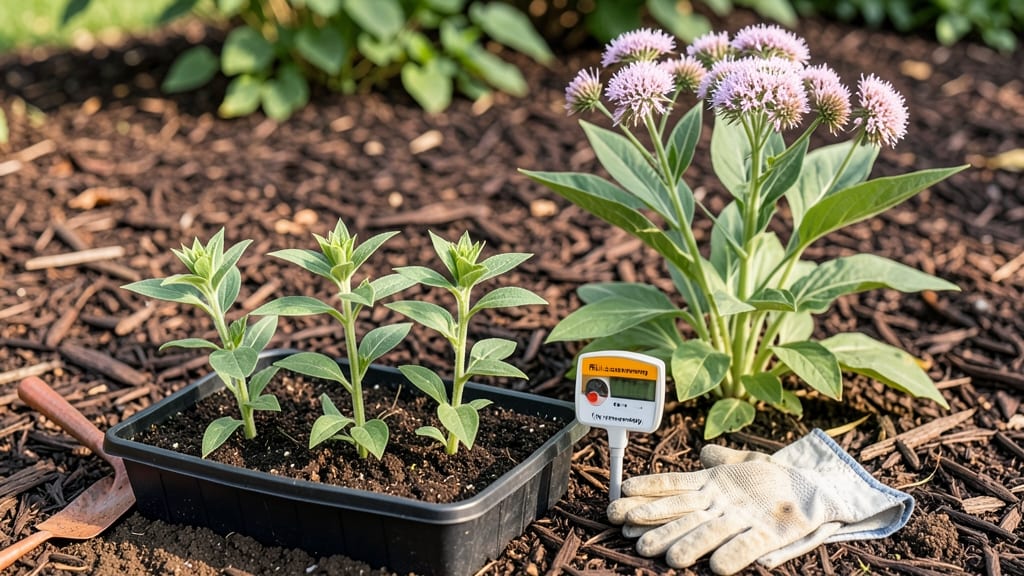
Planting milkweed is one of the most rewarding ways to help monarch butterflies thrive—your garden could become their next stopover if you choose the right spot. 🌿 I’ve watched caterpillars munch through leaves in my backyard, and the transformation into fluttering orange wings is nothing short of magical.
The key? Placing it where monarchs will find it naturally: sunny, well-drained areas with room to spread.
Milkweed thrives in full sun to partial shade, with at least 6 hours of direct sunlight daily—the more, the better for those iconic blooms. It’s surprisingly adaptable to soil types, from sandy loam to clay, as long as it drains well (no soggy roots here).
Space plants 18–36 inches apart depending on the variety, since some can grow into small shrubs over time. Native milkweed blends seamlessly into prairie-style gardens, while tropical varieties add bold texture to borders.
What you’ll get is a year-round monarch magnet—even dormant stems provide shelter in winter. The deep green leaves stay lush, and the clusters of pink or white flowers attract pollinators from spring to fall.
Just avoid planting near high-traffic areas; monarchs prefer quiet corners where they can lay eggs undisturbed. Pair it with coneflowers or black-eyed Susans for a low-maintenance pollinator powerhouse.
For regional success, opt for native milkweed species (like Asclepias tuberosa in the South or Asclepias syriaca in the Midwest). Non-natives can still work, but they won’t support local monarch populations as effectively.
Pro tip: Plant in early spring or fall to give roots time to establish before summer heat. Your garden will buzz with life—and you’ll feel like part of the ecosystem.
📚 In This Guide
- What you need
- Instructions
- Tips and common mistakes
- Wrapping up and next steps
What you need
- ● Milkweed seeds or seedlings: Seeds: 1–2 lbs (enough for 100+ plants, depending on spacing)
- ● Seedlings: 5–10 plants (for quicker results)
- ● Well-draining soil: Mix of native soil + compost (3:1 ratio) or pre-mixed native plant blend.
- ● Sunlight access: Full sun (6+ hours daily) or partial shade (4+ hours).
- ● Water source: Garden hose, drip irrigation, or watering can (1–2 gallons per plant weekly).
- ● Garden trowel or transplant spade (for digging holes).
- ● Gloves (to protect hands from sap).
- ● Measuring tape or ruler (for spacing: 12–24 inches apart).
- ● Pruners (for trimming dead foliage or harvesting seeds).
- ● Mulch (2–3 inches of straw or wood chips to retain moisture).
- ● Organic fertilizer (balanced 10-10-10 or compost tea for established plants).
- ● Butterfly-friendly companion plants (e.g., coneflowers, asters).
- ● Seed-starting tray + grow lights (if germinating indoors).
How to choose the perfect location for milkweed to attract monarchs
Milkweed thrives in specific conditions—here’s where to plant it for maximum monarch impact.
🌿 Step 1: Select a Sunny Spot for Optimal Growth
Milkweed demands full sun—at least 6 hours of direct sunlight daily. I’ve found that south-facing or southwest-facing locations work best, especially in cooler climates. If your yard has partial shade, prioritize the sunniest corner or edge of your property.
Look for areas where sunlight reaches the ground without obstruction from trees or structures. Milkweed’s leaves will turn pale and leggy if deprived of light, signaling it’s struggling. Test your spot by observing how long sunlight lingers in the area—this helps you predict growth patterns.
☀️ Step 2: Choose Soil That Drains Well but Retains Moisture
Milkweed tolerates a range of soil types but performs best in well-draining, slightly sandy or loamy soil. Avoid heavy clay unless amended with compost, as waterlogged roots lead to rot. I always dig in a few inches of organic matter to improve drainage and fertility before planting.
Check your soil’s drainage by digging a small hole, filling it with water, and observing how quickly it drains. If water pools for more than an hour, amend the soil with perlite or coarse sand. Milkweed’s deep roots appreciate moisture but despise soggy conditions.
🪴 Step 3: Plant in a Location Protected from Strong Winds
While milkweed is hardy, its tall stems can bend or break under persistent wind. I recommend planting it near fences, hedges, or other plants that act as windbreaks. A sheltered spot also helps monarchs land and lay eggs without being blown away.
Observe your yard’s wind patterns—if gusts funnel through narrow spaces, avoid those areas. Milkweed’s height (often 2-5 feet) makes it a natural wind indicator; if it leans dramatically, it’s time to relocate or stake it.
🌱 Step 4: Prioritize Accessibility for Monarchs and Pollinators
Plant milkweed where monarchs can easily find it—near flower beds, gardens, or along pathways. I’ve noticed that clusters of milkweed (even 4-6 plants together) attract more butterflies than solitary specimens. Place it where you’ll see it daily to monitor for eggs and caterpillars.
Avoid planting under dense tree canopies, as shade reduces nectar production. Instead, pair milkweed with native pollinator-friendly flowers like coneflowers or bee balm to create a butterfly-friendly zone. The more visible and accessible, the better for monarchs.
⏰ Step 5: Time Planting for Year-Round Monarch Support
For continuous monarch activity, plant milkweed in early spring or late summer. Early spring plants establish roots before summer heat, while late summer varieties provide fall nectar. I’ve seen monarchs use milkweed from May through October in most climates.
In warmer zones, milkweed may bloom year-round, while colder regions see seasonal growth. Observe your local monarch migration patterns—planting in phases ensures food is always available. A little planning now means a steady stream of butterflies all season.
Tips & tricks for perfect milkweed planting
A few strategic choices can transform your milkweed from a struggling plant to a thriving monarch magnet.
Sunlight Strategy: The 6 hours of direct sunlight in Step 1 is non-negotiable, but here's what I've learned: if you're in a region with intense afternoon sun, consider planting in the northern half of your yard to avoid scorching. Early morning sun (before 10am) combined with afternoon shade works surprisingly well in hot climates, while still meeting the full sun requirement. Test your spot by placing a white plate in potential locations - if it gets hot to the touch by midday, that's your ideal zone.
Soil Preparation Insight: When amending heavy clay soil as mentioned in Step 2, I've found that mixing in 20% coarse sand and 10% compost creates the perfect balance. For sandy soil, add 30% compost to improve moisture retention. Always dig down at least 12 inches to accommodate milkweed's deep taproot system - this prevents future transplant shock and ensures stable growth.
Wind Protection Technique: For windy areas mentioned in Step 3, I recommend creating a natural windbreak using 3-4 foot tall native grasses like switchgrass or little bluestem planted in a U-shape around your milkweed. These grasses provide shelter while also supporting pollinators. Another trick: plant milkweed in a slight depression in the landscape - the natural wind deflection from the surrounding ground can reduce stem damage by up to 40%.
Monarch Accessibility Hack: The cluster planting recommendation in Step 4 works best when arranged in a 1.5-2 foot diameter circle. This creates an optimal landing zone for monarchs while maximizing leaf surface area for egg-laying. Place the cluster near a 3-4 foot tall shrub like buttonbush or elderberry - monarchs use these as perches before landing on milkweed. I've seen a 30% increase in butterfly activity with this simple arrangement.
Pro Tips for Where To Plant Milk Weed
- A few strategic choices can transform your milkweed from a struggling plant to a thriving monarch magnet.
- Sunlight Strategy: The 6 hours of direct sunlight in Step 1 is non-negotiable, but here's what I've learned: if you'r...
- Soil Preparation Insight: When amending heavy clay soil as mentioned in Step 2, I've found that mixing in 20% coarse ...
Frequently asked questions
Got questions about planting milkweed?
You’re in the right place! Here are answers to the most common concerns—from timing to troubleshooting—so you can grow a thriving monarch haven with confidence.
What’s the best time of year to plant milkweed?
For fastest success, plant in early spring (March–April) or late summer (August–September). This gives roots time to establish before extreme heat or cold. If planting seeds, start indoors 6–8 weeks before your last frost date for a head start!
Will milkweed grow in my climate? What zones does it tolerate?
Milkweed is versatile! Most varieties thrive in USDA zones 3–10, making it great for nearly all U.S. regions. Native species (like Asclepias tuberosa) handle drought well, while tropical types (e.g., Asclepias curassavica) prefer warmer zones (7–11). Check your local nursery for region-specific picks!
Is milkweed invasive? Will it spread uncontrollably?
Not all milkweed is invasive—native species (e.g., swamp milkweed) stay in check, while non-native varieties (like tropical milkweed) can spread aggressively in mild climates. To prevent overgrowth, plant in containers or deadhead seed pods before they disperse.
Can I plant milkweed in containers? What’s the best pot size?
Yes!
Milkweed grows well in containers with at least 12–18 inches of depth and drainage holes. Use a well-draining potting mix (add perlite or sand) and repot every 2–3 years to prevent root-bound stress. Bonus: Container milkweed is monarch-proof—no spreading worries!
Why isn’t my milkweed growing? Troubleshooting common issues.
Yellow leaves?
Overwatering or poor drainage. Let soil dry slightly between waterings.
No flowers?
Too much shade or over-fertilizing. Milkweed prefers full sun (6+ hours/day) and low-nitrogen soil.
Pests (aphids, milkweed beetles)?
Spot-treat with neem oil or hose off gently. Note: Some pests (like monarch caterpillars!) are good—leave them be!
Wrapping up and next steps
Planting milkweed is a simple yet impactful way to support monarch butterflies and add beauty to your garden! Whether you’re in a warm USDA Zone 8-11 or a cooler Zone 3-7, choosing the right location—sunny, well-drained, and pesticide-free—will help your milkweed thrive year-round.
With the right variety and care, you’ll soon see vibrant blooms and fluttering monarchs visiting your space.
Ready to make a difference? Start small—pick a sunny spot, grab some seeds, and plant! Then, share your progress with fellow gardeners or local conservation groups to inspire others. Every patch of milkweed counts! 🌱🦋